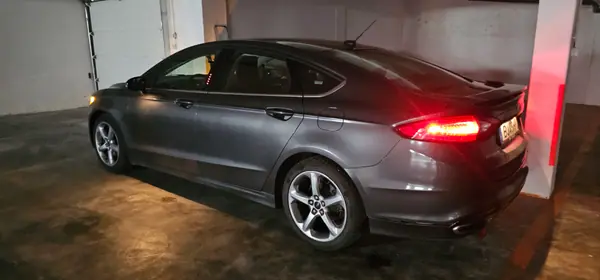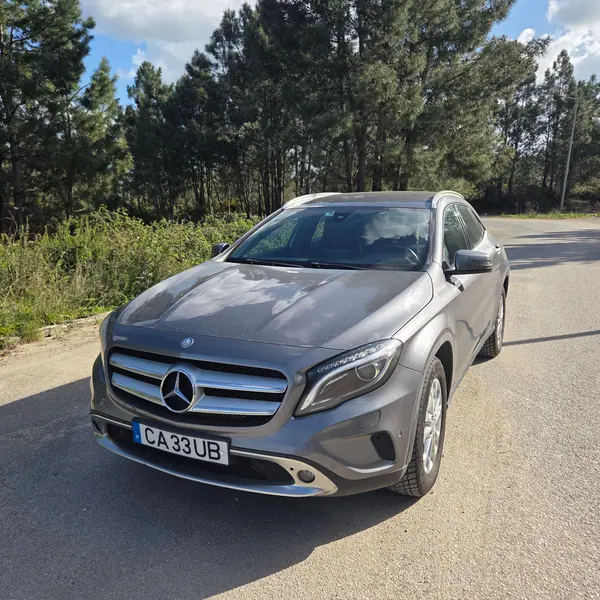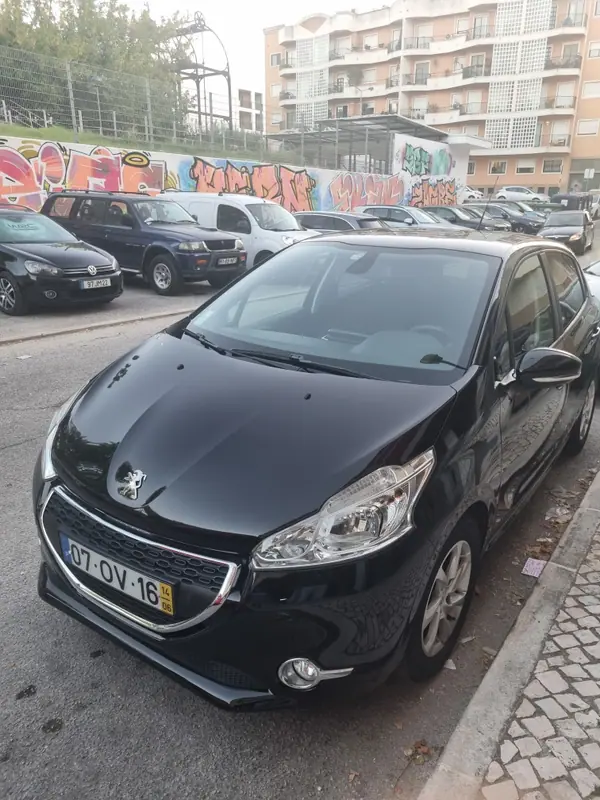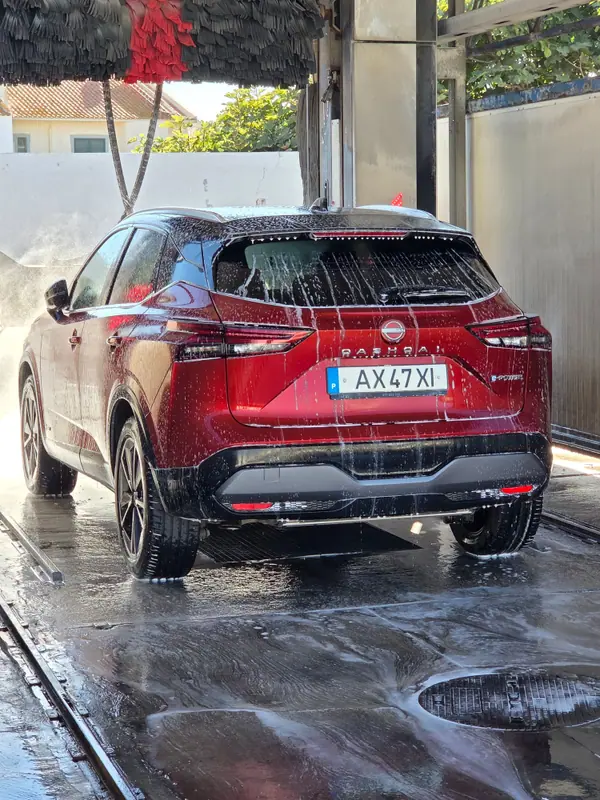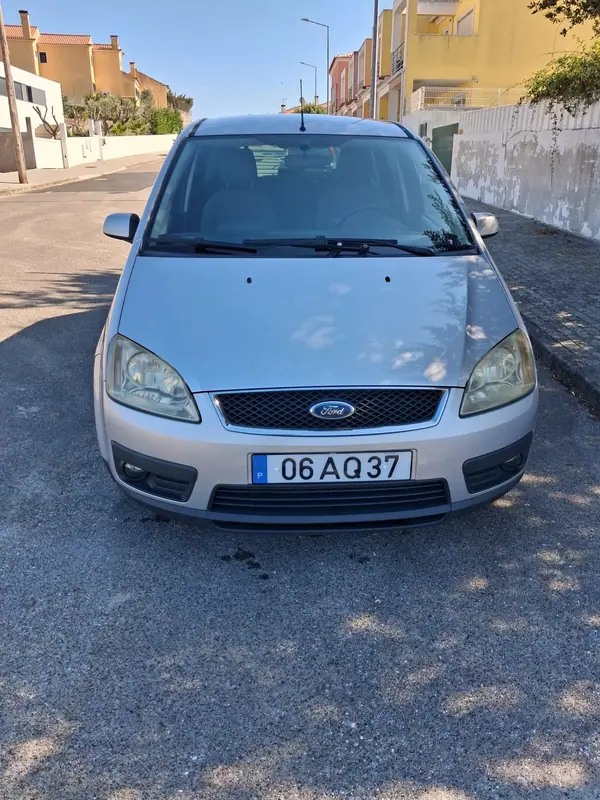
Searching for a reliable daily vehicle under 3,000 euros in Portugal requires ignoring cosmetic shine and focusing entirely on simple, naturally aspirated petrol engines. The five most mechanically durable models available on the Portuguese secondary market in this price bracket are:
- Fiat Punto II (1.2 8V FIRE - Engine code 188A4000)
- Renault Clio II (1.2 16V D4F - Engine code D4F 712/722)
- Peugeot 206 (1.1 TU1JP / 1.4 TU3JP)
- Opel Corsa C (1.2 16V Twinport - Engine code Z12XEP)
- Volkswagen Polo 6N2 (1.0 ALL/AUC / 1.4 AUD/AKK MPi)
Portugal's historical vehicle tax structure retains aging fleet cars on the road far longer than anywhere else in Western Europe. Handing over cash without checking the legal paper trail is pure negligence. Demand the physical DUAbefore your fingers touch a single tool. Compare the seller's national identity card to the name on the title document. If they do not match, walk away immediately. You are dealing with an unlicensed roadside flipper dodging tax declarations.
Verify the administrative status of the chassis before discussing price. Log into the online platform of the Conservatória do Registo Automóvel and pull a Certidão de Registo Automóvel for ten euros. This document reveals if the Portuguese tax authority placed a penhora on the vehicle to recover social security debts or unpaid income taxes. If you buy a car with an active state lien, the IMT will register the transfer, but tax enforcement agents will show up at your house and load the car onto a flatbed. Demand the official green inspection sheet from the IPO. Check for recurring Type 1 defects that the previous owner ignored. Confirm the sheet has zero Type 2 annotations requiring a mandatory re-test. Verify the IUCmunicipal road tax receipt. Unpaid road taxes accumulate aggressive administrative interest that attaches directly to the registration plate.
Comparison Matrix: Reliable Models Under 3000 Euros
Fiat Punto II (Engine: 1.2 8V FIRE, 60 hp)
- Why Buy (Primary Strength): Non-interference valvetrain prevents valve damage if timing belt snaps.
- Why Avoid (Primary Weakness): Electric power steering "City" mode motor failure.
- Common Repair (Typical Workshop Visit): Steering column torque sensor rebuild (180 EUR).
Renault Clio II (Engine: 1.2 16V D4F, 75 hp)
- Why Buy (Primary Strength): Exceptional ride comfort on cobblestones and low fuel consumption.
- Why Avoid (Primary Weakness): TDC crankshaft position sensor failure causing crank-no-start.
- Common Repair (Typical Workshop Visit): TDC sensor cleaning and wiring pigtail replacement (25 EUR).
Peugeot 206 (Engine: 1.4 8V TU3JP, 75 hp)
- Why Buy (Primary Strength): High scrap-yard body parts availability and simple rocker valvetrain.
- Why Avoid (Primary Weakness): Rear torsion beam axle needle roller bearing corrosion and seize.
- Common Repair (Typical Workshop Visit): Reconditioned rear axle assembly replacement (280 EUR).
Opel Corsa C (Engine: 1.2 16V Z12XEP, 80 hp)
- Why Buy (Primary Strength): Single-row steel timing chain eliminates recurring belt replacement costs.
- Why Avoid (Primary Weakness): Hydraulic timing chain tensioner sludge clogging and chain stretch.
- Common Repair (Typical Workshop Visit): Timing chain kit and oil pressure switch swap (122 EUR).
Volkswagen Polo 6N2 (Engine: 1.4 8V AUD, 60 hp)
- Why Buy (Primary Strength): Galvanized body panels offer superior structural corrosion resistance.
- Why Avoid (Primary Weakness): Under-dash clutch pedal box sheet metal spot-weld bracket failure.
- Common Repair (Typical Workshop Visit): Pedal box reinforcement and thermostat housing swap (185 EUR).
Navigating the Secondary Market in Portugal
Take three grand to France or Germany and you drive home in a clean, twelve-year-old daily commuter. Try that in Lisbon or Porto. The historical Imposto Sobre Veículos (ISV) tax structure trapped vehicles here for decades, inflating prices on pure junk. That same stack of cash buys you faded metal forged during the late nineties or early two-thousands. Prepare to look at odometers flashing 320,000 kilometers.
Ignore the digital number on the instrument cluster. Odometers in this price bracket are frequently rolled back using fifty-euro OBD2 tools from the internet. Inspect physical wear points instead. Look at the rubber pad on the clutch pedal. If the steel pedal arm is poking through the worn corner, that car has endured 300,000 kilometers of stop-and-go city traffic. Look at the ignition key. If the brass teeth on the key blade are worn smooth and round, the ignition barrel has turned tens of thousands of times. Look at the driver seat base. Collapsed polyurethane foam and frayed cloth seams tell the raw truth.
Do not even look at cheap diesels. A twenty-year-old turbodiesel showing 350,000 kilometers is a ticking financial bomb. High-pressure fuel pumps grind themselves to dust, spitting metal flakes straight into the fuel rails. Common-rail injectors blow past their copper sealing washers, baking the cylinder head in a thick layer of black carbon. The variable geometry turbocharger vanes stick from soot buildup. The dual-mass flywheel rattles until it destroys the transmission input shaft bearing. A single set of four reconditioned diesel injectors costs 800 euros. That is almost a third of the car's total purchase price.
Naturally aspirated petrol engines are your only safe mechanical refuge. Simple 8-valve and 16-valve multi-point injection engines operate at low fuel pressures around three to four bar. They do not have turbochargers cooking their lubricating oil. They lack dual-mass flywheels. They have no particulate filters to choke on short grocery runs. If a naturally aspirated petrol engine snaps an alternator belt or fouls a spark plug, you fix it on the side of the road with a basic socket set for forty euros.
When deciding where to buy used cars in Portugal, avoid unpaved roadside lots displaying generic hand-painted banners. Focus your search on verified private sellers or trade-in bargain rows on AUTO.MOTO.pt. Private sales require extreme mechanical diligence, but they allow you to look the previous owner in the eye and inspect their maintenance invoices. Hunting through the inventory of used cars under 3000 euros means accepting minor cosmetic scratches while aggressively hunting down sound structural steel and dry engine blocks.
Detailed Vehicle Audits: Top 5 Choices
Fiat Punto II 1.2 8V FIRE: Unbeatable Parts Affordability and Italian Simplicity
Look closely at the second-generation Fiat Punto (Typ 188). Specifically, the 1.2-liter 8-valve FIRE (Fully Integrated Robotised Engine) block, engine code 188A4000. It produces a modest 60 horsepower from 1242cc. You will not win street races. However, this cast-iron block refuses to die. Italian engineers built this engine specifically for cheap urban survival. It runs on absolute mechanical basics.
This is a non-interference engine. The valves and the piston crowns never physically cross paths inside the combustion chamber. Say you are pushing 4000 RPM on the highway and the ancient rubber timing belt snaps. The engine just dies. No bent valves. No shattered pistons. You pull over, tow it to a shed, and buy a twenty-euro Gates belt kit. Line up the crankshaft timing marks, slip the belt on, and turn the key. Annual IUC road tax is under thirty euros. Replacement parts are the cheapest in the entire automotive industry. A brand-new water pump costs eighteen euros. A complete clutch kit costs fifty-five euros.
The primary mechanical weak point is the Dualdrive electric power steering system. Fiat installed an electric assist motor directly on the steering column, featuring a dashboard-mounted "City" button that increases steering assistance for low-speed parking. Over time, the internal relays and optical torque sensors on the steering column circuit board develop cold solder fractures. The steering suddenly loses power assistance mid-turn, the steering wheel becomes heavy, and a red steering wheel warning light flashes on the instrument cluster. Rebuilding the steering column with an upgraded optical torque sensor costs 180 euros at an independent auto electrician.
Inspect the cylinder head gasket at the rear right corner of the engine block, directly above the gearbox bellhousing. The factory composite gasket material degrades from thermal cycling, resulting in external oil seepage that coats the transmission housing in black slime. A new Elring multi-layer steel head gasket costs twenty-five euros, but requires skimming the aluminum cylinder head. Get under the rear of the car with a pry bar. The rear trailing arms pivot on rubber silentblocks pressed into the rear axle assembly. The rubber bushings perish and tear, allowing the rear wheels to shift under cornering loads. A heavy metallic thud over cobblestones indicates completely destroyed trailing arm bushings. A pair of replacement rear repair kits costs thirty-five euros in parts.
Verdict: The Fiat Punto II 1.2 8V is the ultimate low-budget survivor in Portugal. Unbeatable parts pricing and a non-interference valvetrain make it immune to catastrophic mechanical failure.
Renault Clio II 1.2 16V: Balanced Urban Practicality and Low Running Costs
Look for the Phase 2 or Phase 3 Renault Clio II, built from 2001 to 2008. It owns the urban mobility sector across Portuguese cities. The front seats are wide and soft. The turning radius is tiny. The engine bay leaves plenty of room for your hands and a wrench. Find the 1.2-liter petrol variants. You want the 16-valve D4F (75 hp) or the earlier 8-valve D7F (60 hp). Cast-iron blocks mated to aluminum cylinder heads. The D4F pushes sixteen valves using a single camshaft and low-friction roller finger followers. The fuel consumption on the D4F is remarkable, regularly returning 5.5 liters per 100 kilometers during mixed driving.
The most common breakdown cause on the Clio II is the Top Dead Center (TDC) crankshaft position sensor, known locally as the sensor de ponto morto superior. Located directly on top of the transmission bellhousing above the flywheel ring gear, this inductive sensor picks up engine RPM signals. The cheap electrical connector terminals oxidize fast. The magnetic tip acts like a sponge, pulling in microscopic steel shavings from the spinning clutch plate. The sensor goes blind. You turn the key. The starter motor cranks endlessly. Zero spark. You are stranded. Unbolt the sensor. Blast the magnetic tip with heavy brake cleaner. Solder in a fresh wiring pigtail. Parts cost twenty-five euros. You are back on the road in twenty minutes.
Inspect the ignition coil architecture on the 1.2 16V D4F. Renault integrated the four spark plug leads directly into a sealed plastic ignition coil pack that bolts over the cylinder head. The plastic casing suffers from thermal micro-fracturing. Moisture penetrates the coil casing on humid winter mornings, causing electrical tracking to the cylinder head metal. The engine misfires heavily under load between 1500 and 2500 RPM, shaking the gear lever and flashing the orange emissions warning light. A replacement NGK or Bougicord coil pack costs sixty-five euros.
If the Clio is equipped with a factory electric sunroof, reach down and feel the front footwell carpets. The rubber drain tubes running down the inside of the A-pillars clog with decaying leaves and dirt. Water backs up inside the roof cassette, overflows into the headliner, and drains straight into the passenger fuse box and floor foam. Clearing the drainage tubes requires running a long bicycle brake cable down the drain holes to push out the accumulated muck.
Verdict: Excellent suspension compliance over rough Portuguese streets paired with exceptional fuel economy. Watch out for blinded TDC sensors and wet passenger footwells.
Peugeot 206 1.1 / 1.4 TU: French Ride Comfort and Proven Mechanical Longevity
You see the Peugeot 206 everywhere across Portugal. There is a raw mechanical reason for that. Lift the hood and find the PSA TU-series petrol block. Find the 1.1-liter (TU1JP - 60 hp) or the 1.4-liter (TU3JP - 75 hp). These aluminum and iron blocks absorb astronomical abuse. The design is old-school. Wet-sleeve cylinders. A single overhead cam smashing eight valves down through mechanical rocker arms. The valvetrain clearance is adjusted manually with a feeler gauge and a ten-millimeter spanner. There are no hydraulic lifters to gum up with dirty oil. The suspension travel is long and supple, absorbing broken rural tarmac across the Alentejo with a degree of chassis compliance that modern stiff hatchbacks cannot match. Scrapyards from Guimarães to Setúbal are filled with 206 chassis, making body panels, glass, and alternators dirt cheap.
The structural nightmare on every Peugeot 206 is the rear torsion beam suspension axle. Peugeot engineered a trailing arm design that uses internal needle roller bearings inside the cross-tube rather than traditional coil springs. Over fifteen years of exposure to rain and road grit, the outer plastic rubber seals fail. Water enters the axle tube. The needle bearings corrode, seize, and grind deep structural grooves directly into the hardened steel axle pivot pins. Look at the rear of the car from ten paces back. If the rear wheels are splayed outward at the bottom with aggressive negative camber, or if the top of the rear tires rubs against the inside of the metal wheel wells, the axle is dead. A reconditioned replacement rear axle assembly costs 280 euros, plus 120 euros for workshop installation.
Inspect the front right corner of the engine block, directly below the alternator mounting bracket. The TU cylinder head gasket features an integrated high-pressure oil feed gallery situated right on the corner edge. The composite gasket material blows out externally, weeping engine oil directly down the front face of the block and contaminating the alternator windings. A complete head gasket replacement and head bolt set costs seventy euros in parts.
Check the steering column switch module, known as the COM2000 unit. The internal ribbon cables and plastic detent springs inside the indicator stalk wear down from heavy use. Flick the turn signal. If the headlights instantly shut off, or the plastic stalk just flops downward without clicking, the internal micro-switches are destroyed. You need a new Valeo COM2000 steering column module. That costs 130 euros.
Verdict: Unmatched chassis comfort and bulletproof engine internals. Inspect the rear wheels carefully to ensure the torsion beam axle bearings have not seized.
Opel Corsa C 1.2 16V Twinport: Sturdy Chassis and Efficient Chain-Driven Petrol Power
The Opel Corsa C, particularly the facelifted models produced from late 2003 to 2006, provides an exceptionally rigid platform for daily highway commuting. It feels planted and stable at 120 km/h on the A1 motorway, avoiding the flimsy steering dynamics that plague older subcompacts.
The engine to select is the 1.2-liter four-cylinder 16-valve unit: either the Z12XE (75 hp) or the later Z12XEP Twinport (80 hp). The Twinport architecture uses variable intake manifold runners to swirl the air-fuel mixture at low throttle openings, achieving strict Euro 4 emission standards. The valvetrain uses a single-row steel timing chain driving dual overhead camshafts, eliminating the recurring expense of timing belt replacements every four years.
That timing chain is also the engine's primary vulnerability. The hydraulic timing chain tensioner operates entirely on clean engine oil pressure. If previous owners stretched oil changes to 20,000 kilometers using cheap, thick mineral oil, the oil channels inside the tensioner clog with sludge. The chain slackens, slapping against the plastic guide rails. Start the car from dead cold. Listen to the left side of the engine block for the first three seconds. If you hear a loud, metallic clattering sound that resembles a bicycle chain rattling inside a metal bucket, the timing chain is stretched and the plastic guides are fractured. If the chain jumps two teeth on the camshaft sprockets, the intake valves hit the pistons. A complete timing chain kit with new sprockets, crank seal, and hydraulic tensioner costs 110 euros in parts and requires five hours of labor.
Pull the rubber boot off the oil pressure switch located on the back of the oil filter housing. The internal diaphragm on the factory switch ruptures under oil pressure. Pressurized engine oil wicks through the electrical connector, traveling inside the copper wire strands through capillary action directly into the engine wiring harness and ECU plug. If the connector is wet with fresh oil, replace the switch immediately for twelve euros and clean the wiring plugs with electronic contact cleaner before the oil shorts the main ECU board. Check the manual gear linkage under the hood. Opel used cheap nylon ball-and-cup joints on the gear selector linkage rods. The plastic cups dry out from exhaust heat and crack. The gear shifter inside the cabin develops massive free play, eventually popping off completely and leaving the gearbox stuck in third gear. An upgraded metallic gear linkage kit costs thirty euros and takes thirty minutes to install.
Verdict: Highway stability paired with a chain-driven engine. Check for timing chain clatter on cold start and inspect the oil pressure switch for harness leaks.
Volkswagen Polo 6N2 1.0 / 1.4 MPi: Solid German Build on a Tight Budget
Inspect the facelifted Volkswagen Polo (Typ 6N2), built between 1999 and 2001. Competitors from this era can feel flimsy. The 6N2 uses heavy, galvanized steel. The panel gaps stay tight. The cabin insulation actually blocks highway wind noise. Pop the hood. Hunt down the multi-point injection petrol blocks. The 1.0-liter (ALL/AUC - 50 hp) or the 1.4-liter 8-valve (AUD/AKK - 60 hp). These cast-iron lumps are slow. They are also almost immune to thermal death. They use conventional electronic throttle bodies and direct distributorless ignition coils. The galvanized zinc coating on the steel body panels makes the 6N2 far more resistant to structural rust than the older 6N platform, preserving the floor pans and suspension mounting points.
The primary mechanical hazard on manual 6N2 Polos is the clutch pedal box assembly. The sheet metal bracket that supports the clutch cable pivot and pedal box is secured with weak factory spot welds beneath the dashboard. Over years of heavy clutch pedal resistance, the metal bracket flexes, fatigue-cracks, and snaps off the bulkhead completely. The clutch pedal drops to the floor, leaving the gearbox locked in gear. Replacing or reinforcing the pedal box requires stripping the lower dashboard, steering column, and fuse board, running up a 150-euro labor bill for a ten-euro metal weld repair.
Examine the plastic coolant thermostat housing bolted to the side of the cylinder head. Volkswagen manufactured this entire distribution housing—including the internal thermostat guide pins—out of cheap black glass-reinforced polyamide. The plastic becomes brittle after hundreds of thermal cycles, causing the internal guide bridge to snap. The thermostat jams shut, triggering rapid engine overheating, or the outer plastic flange warps, dumping bright pink G12 coolant directly onto the top of the transmission bellhousing. A complete replacement aftermarket thermostat housing assembly costs thirty-five euros. Test both electric front windows. The 6N2 utilizes plastic guide clips attached to a braided steel cable system inside the door cavity. The plastic clips become brittle and shear under load, allowing the heavy glass to drop into the bottom of the door panel with a loud crash. A window regulator repair kit containing reinforced metal clips costs twenty euros on the aftermarket.
Verdict: Solid cabin construction and superior rust protection. Budget for clutch pedal box welding repairs and replace plastic thermostat housings immediately.
Essential Pre-Purchase Mechanical and Legal Inspection Checklist
Never inspect a vehicle in the rain or after dark. Bring a high-intensity LED flashlight, an inspection mirror, a clean microfiber cloth, a cheap digital multimeter, and a pair of nitrile gloves. Begin your inspection with the engine completely cold. Unscrew the oil filler cap on the rocker cover. Flip it upside down. If the underside of the cap is coated in a thick, yellowish-brown paste resembling mayonnaise, you are looking at oil-coolant emulsification. The cylinder head gasket has breached, or the car has only been driven on 500-meter trips for two years without reaching operating temperature. Look into the coolant expansion tank. The fluid must be clean and brightly colored. If the coolant looks like murky, rust-brown mud, the block is corroding internally from straight tap water. Walk away.
Test the driveline. Start the engine, apply the handbrake firmly, depress the clutch pedal, and select third gear. Slowly release the clutch pedal while giving the engine light throttle. If the engine continues running when the clutch pedal is fully released, the clutch friction disc is completely worn down to the rivet heads. If the clutch bites at the absolute top millimeter of pedal travel, budget 250 euros for an immediate clutch replacement. Examine the brake hardware through the wheel spokes. Run your index finger across the outer edge of the front brake rotor. If you feel a sharp, pronounced metal lip exceeding two millimeters, the discs are worn past their minimum legal thickness and will fail the IPOinspection. Check the tire sidewalls for the four-digit DOT manufacturing date code. A code reading "1816" means the tire was manufactured in the 18th week of 2016. In Portugal's hot climate, tires older than six years harden into brittle plastic, offering zero grip on wet roundabouts even if they show six millimeters of tread.
Financial survival with used cars at this level demands strict budgeting discipline. When buying used cars under 3000 euros, your maximum purchase price should never exceed 2,300 euros. Keep a mandatory reserve fund of 500 to 700 euros in cash. The moment you secure the title, drive straight to an auto parts factor. Drain the old engine oil. Install fresh synthetic oil matching the factory viscosity. Replace the oil filter, air filter, and spark plugs. Drain the cooling system and refill it with a 50/50 mix of distilled water and organic acid technology (OAT) coolant. Flush the brake lines with fresh DOT 4 fluid. This baseline service costs under 120 euros in parts if you turn the wrenches yourself, resetting the mechanical clock and ensuring your budget runabout delivers reliable daily transportation.
Frequently Asked Questions (People Also Ask)
Is it worth buying a car under 3000 euros in Portugal?
Yes, provided you select a simple naturally aspirated petrol model with verified documentation. Public transportation across rural Portugal or suburban zones outside Lisbon and Porto remains fragmented. A 3,000-euro car retains its residual market value almost indefinitely if maintained correctly. You can drive a Punto or Clio for three years and sell it on AUTO.MOTO.pt for the exact price you paid. The cost of ownership mirrors basic routine maintenance and annual insurance.
Petrol or diesel: Which engine type makes sense under 3000 euros?
Petrol is the only logical choice in this price tier. High-mileage diesels under 3,000 euros are almost universally exhausted commercial vans or neglected passenger cars. Fixing a single failed common-rail diesel injector, a blown turbocharger, or a clogged particulate filter wipes out any fuel savings instantly. Naturally aspirated petrol engines lack expensive peripheral components, operating at low injection pressures that rarely trigger catastrophic workshop bills.
Buying from a dealership (stand) vs. private seller (particular)?
Private sellers offer vastly superior value under 3,000 euros. Small roadside stands operating in this price range buy auction stock, apply quick cosmetic detailing, and mark up the price by 1,000 euros. While Portuguese consumer law technically mandates an 18-month warranty on dealer sales, budget stands frequently write illegal "written agreement" clauses waiving warranty rights under the guise of "consignment sales." Buying from a private seller allows you to inspect maintenance invoices, evaluate the owner's profile, and negotiate a realistic price.
How does the annual road tax (IUC) affect budget ownership?
Portugal operates a two-tier IUC tax system based on the vehicle's initial registration date. Vehicles registered prior to July 2007 pay the legacy tax system, calculated strictly on engine displacement. A sub-1.2-liter petrol car registered in 2002 pays approximately 30 to 35 euros annually. Vehicles registered after July 2007 fall under the modern tax regime, which incorporates carbon dioxide (CO2) emissions metrics. Purchasing a pre-July 2007 small-displacement petrol vehicle caps your recurring fixed tax liabilities at absolute minimum levels.
Final Verdict and Buying Strategy
Cosmetic perfection on a 3000-euro car is a scam. Look past the polished dashboard and fading clearcoat. Structural steel integrity, documented oil changes, dry valve covers, and functioning electrics dictate the actual value of the machine.
Finalize your IMT title transfer at the exact moment money changes hands. Log into the online portal or stand inside the Conservatória together. Letting the seller handle the registration paperwork exposes you to toll fines from the Via Verde electronic gantries and automated highway cameras.
Pull that oil dipstick every single week without fail. Small-displacement petrol engines closing in on 250,000 kilometers burn roughly half a liter of oil every thousand kilometers through hardened valve stem seals. Running the sump dry starves the hydraulic tensioners and shreds the connecting rod bearings. Check the oil cold, top it up, and keep the engine alive.