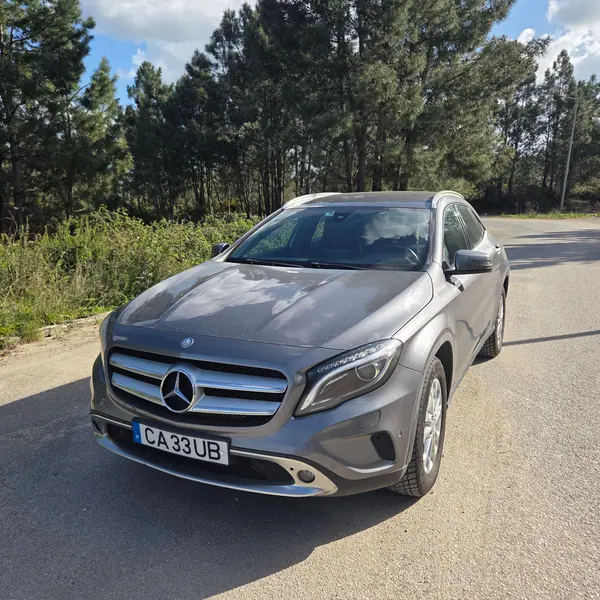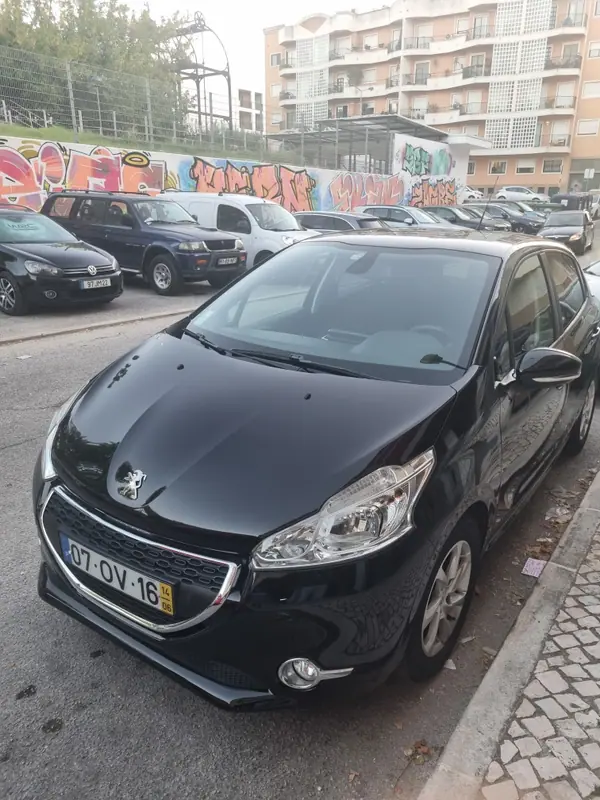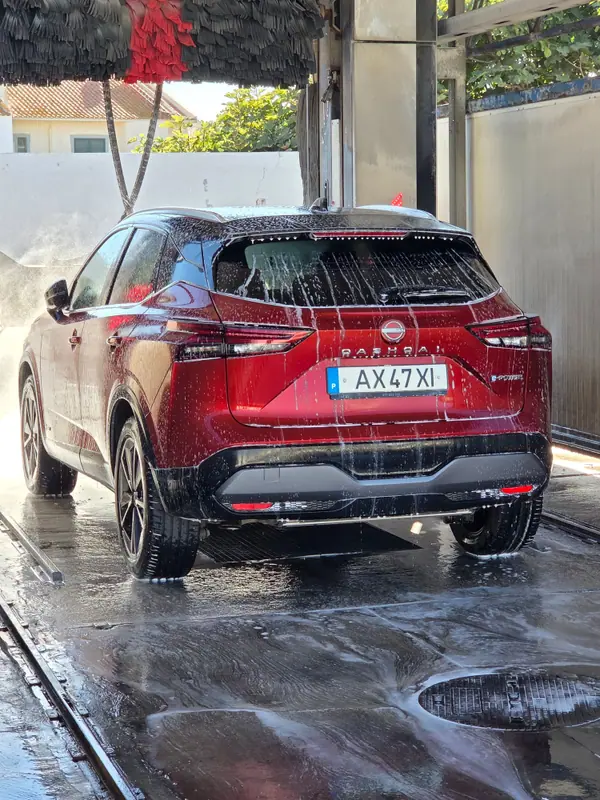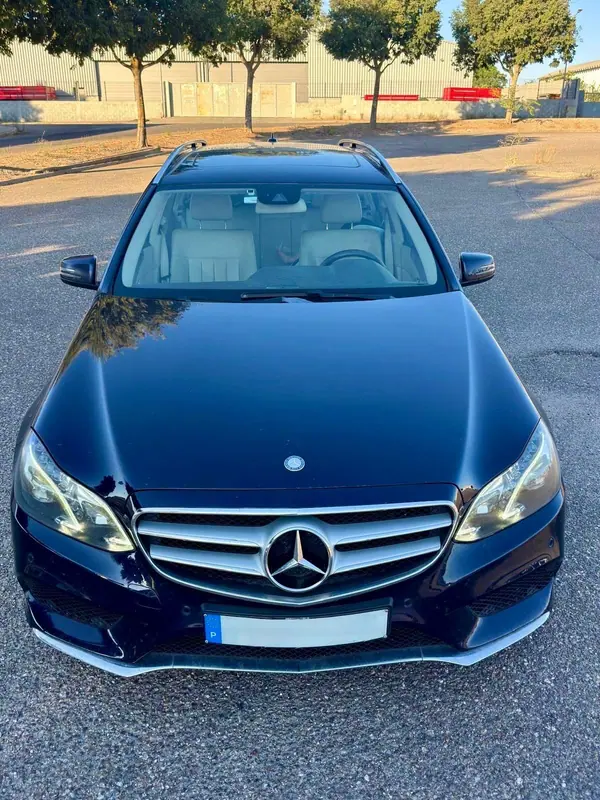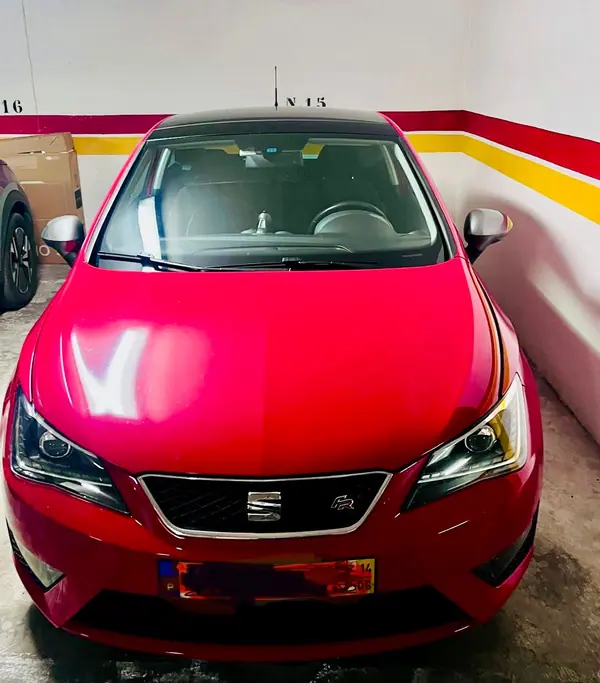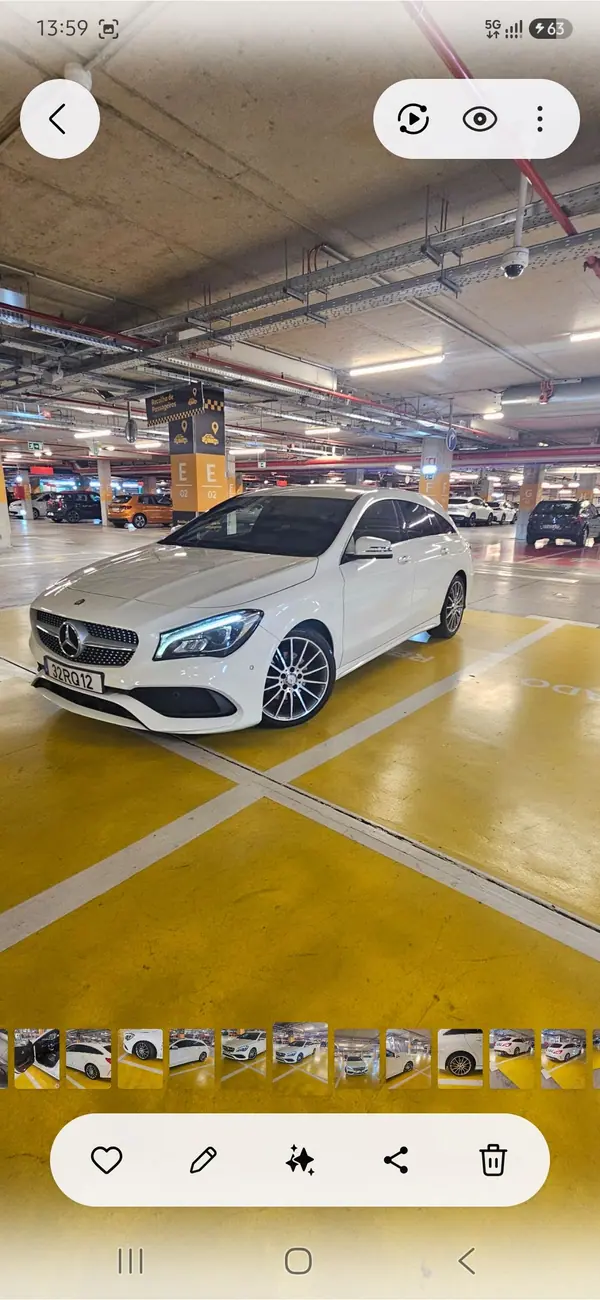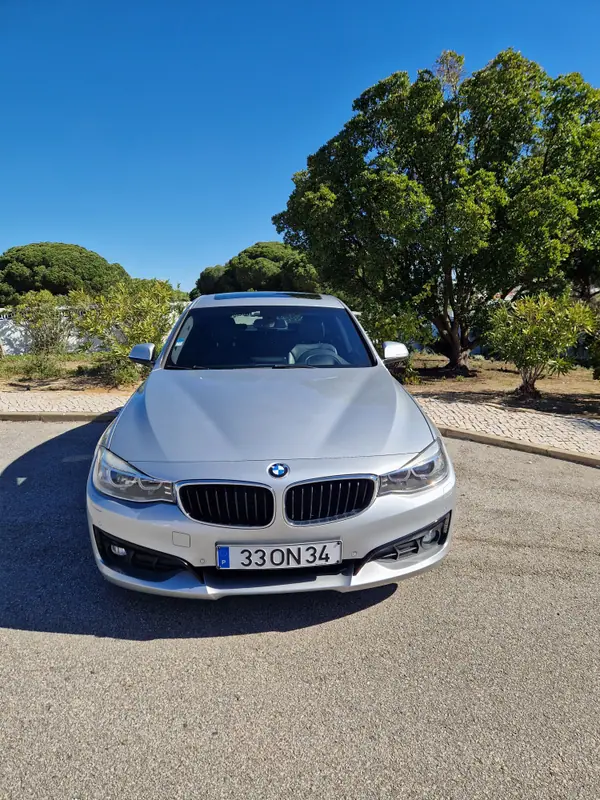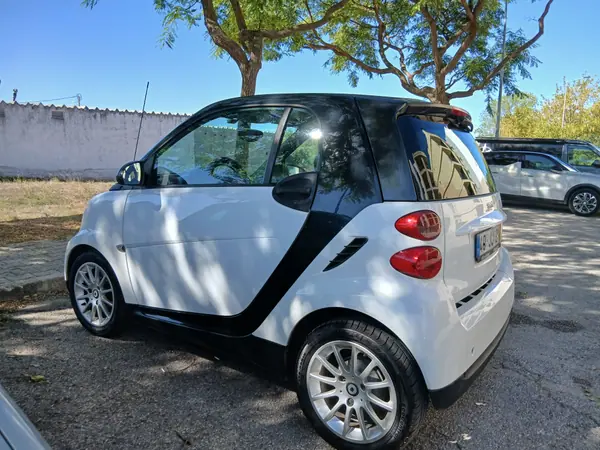
Choosing a car in Portugal is no longer simply a matter of deciding between a few familiar brands, picking an engine size and checking the price tag. There is another question that comes first: which type of powertrain actually suits the way you drive?
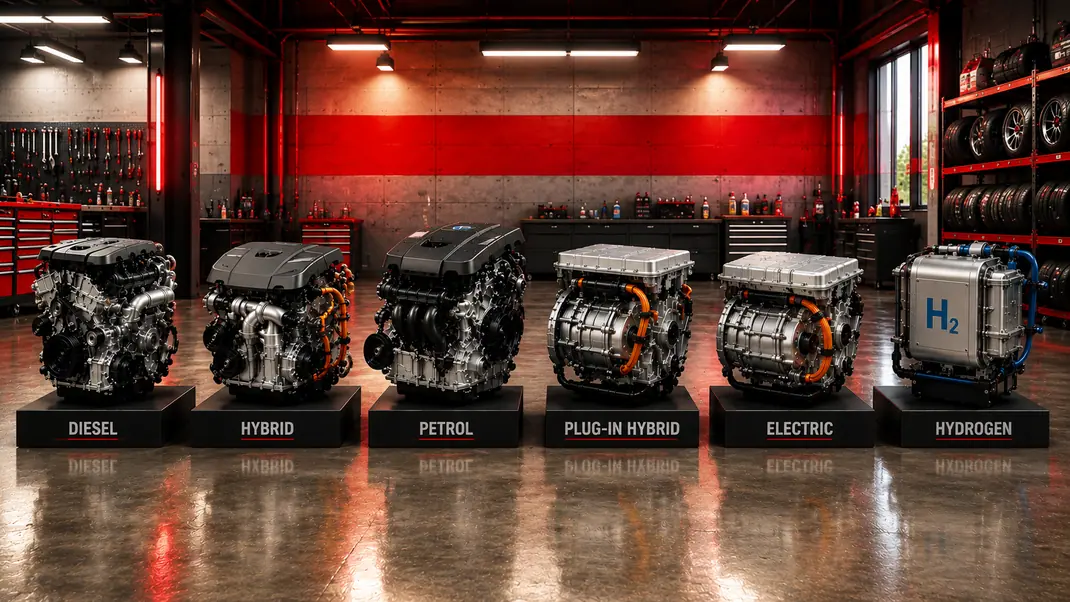
Petrol, diesel, hybrid, plug-in hybrid and electric cars all have their advantages. They also come with their own compromises. Hydrogen is another option that appears more and more often in automotive news, although for the majority of private drivers in Portugal it is still more of an interesting technology to watch than a realistic everyday choice.
So, rather than asking which engine is simply “the best”, it makes more sense to look at how many kilometres you drive, where those kilometres happen, how much you want to spend and, increasingly, what infrastructure you have access to.
It is also worth thinking about what a normal week looks like. A car that sits outside for several days and is mainly used for short trips around town has very different requirements from one that is driven every day for work or regularly used for long-distance journeys.
That is where the real cost of ownership comes into the picture. Fuel consumption and purchase price only tell part of the story. Maintenance, energy costs, charging possibilities and annual mileage can all change the calculation considerably.
Petrol: the straightforward choice for low-mileage drivers
Despite the rapid growth of electrified cars, petrol remains one of the easiest options to justify for many Portuguese drivers.
It makes particular sense when the car is used for relatively few kilometres, especially around town or on mixed routes, and the owner does not want to organise everyday life around charging. The used-car market also offers a huge selection of petrol cars, which means there are plenty of relatively affordable options.
There is another advantage that is easy to underestimate: convenience.
For people living in an apartment without their own garage or parking space, this can become particularly important. Owning an electric car is one thing. Having somewhere convenient to charge it overnight is another.
Without home charging, one of the biggest practical advantages of an EV becomes less obvious.
The downside of petrol is equally simple. Fuel costs add up when the mileage gets high.
Someone covering 25,000 or 30,000 km every year will have a completely different experience from a driver who mainly uses the car at weekends.
That does not mean that every petrol car is a sensible purchase. A small modern hatchback and a large SUV with a powerful engine can have dramatically different running costs. But when annual mileage is low, the purchase price, condition and simplicity of the car may matter more than saving a small amount of fuel on every trip.
The used market is particularly strong in this category. Buyers can choose between different ages, engines and equipment levels without necessarily paying the premium associated with newer electrified models.
Diesel: does it still make sense in Portugal in 2026?
The short answer is yes — but certainly not for everyone.
Diesel still has a strong argument when the car spends a lot of time on motorways and covers serious distances. A good diesel can combine low fuel consumption with plenty of range between stops, which remains useful for people regularly travelling between Portuguese cities.
If your routine involves Lisbon, Porto, the Algarve or frequent motorway trips across the country, diesel can still be a perfectly rational choice.
The situation changes when most journeys are short and urban.
Modern diesel engines rely on a number of emissions-control systems, and predominantly short journeys are not necessarily the environment in which they work best. A particulate filter, EGR system, AdBlue system, turbocharger or other diesel-specific component can also become an expensive repair if the car has been neglected.
That is why advertised fuel consumption should never be the only consideration when buying a used diesel in 2026.
Take two cars as a simple example. One uses 5 l/100 km and the other 7 l/100 km. On paper, the diesel looks like the obvious winner. But if the supposedly economical car needs an expensive repair shortly after purchase, the initial saving can disappear very quickly.
The technology itself is not necessarily the problem.
A well-maintained diesel that has spent much of its life doing longer journeys can still be an excellent used car. A high-mileage example with an unclear history and years of urban use is a completely different proposition.
In other words, the condition and history of the individual car can matter just as much as the badge on the boot.
Hybrid: one of the most balanced options
A conventional hybrid is an interesting middle ground for drivers who spend a lot of time in towns and cities but do not want to change their driving routine.
There is no need to plug it into a charger. The system recovers energy during braking and deceleration, stores it in the battery and then uses that energy to assist the combustion engine.
In everyday traffic, particularly in urban areas, this can reduce fuel consumption compared with a conventional petrol car.
For someone living in Lisbon, Porto or another Portuguese city and mixing urban traffic with national roads and occasional longer trips, a conventional hybrid can therefore be a very easy car to live with.
There is no wallbox to install, no charging schedule to think about and no need to plan a trip around charging stations.
If you want a more detailed explanation of the technology, our guide Hybrid Car: What Is It and How Does It Work? covers the basics.
There is, however, an important distinction between a conventional hybrid and a plug-in hybrid.
The battery in a traditional hybrid is relatively small and works alongside the combustion engine. The driver can simply use the car normally without having to think about charging.
That simplicity is one of the main reasons conventional hybrids have become so popular. You still refuel the car much like any petrol vehicle, while the hybrid system can reduce consumption in the situations where it is most useful.
For used-car buyers, this can also be an appealing way of moving towards electrification without taking on all the practical limitations of a fully electric vehicle.
Plug-in hybrid: only worthwhile if you actually charge it
On paper, the plug-in hybrid looks like an ideal compromise. You have electric driving for shorter journeys and a combustion engine for longer ones.
In practice, everything depends on how the car is used.
If you can charge at home or at work and most daily journeys are relatively short, a PHEV can make very good use of its electric range.
If the battery is rarely charged, however, the calculation changes completely. You are carrying around a relatively large and heavy battery without making proper use of the reason it is there in the first place.
Now consider someone who mainly drives on motorways, regularly covers several hundred kilometres in one journey and has no convenient place to charge. The advantages of the PHEV become much less convincing.
Before buying a used plug-in hybrid, therefore, one question matters more than many of the figures in the brochure:
Will you actually charge it regularly?
The advertised fuel-consumption figure is not enough to answer that question. Previous ownership also matters, particularly on the used market.
Electric cars: excellent for some drivers, less convenient for others
For drivers who can charge at home or at work, a fully electric car can be one of the most convenient options available today.
There is no petrol station visit during the normal working week. Plug the car in when you get home and, in many cases, it can be ready for the next morning.
For daily commuting, that routine can become almost invisible.
The situation is very different for someone who depends entirely on public charging.
Charging prices can vary depending on the operator, location and charging power. That means the energy cost of an electric car cannot be judged properly by looking only at the manufacturer's consumption figure. Where and how the car is charged can make a substantial difference.
Our guide How Much Does It Cost to Charge an Electric Car in Portugal? looks at how those different charging options affect the final cost.
Long-distance travel is another part of the equation.
A modern EV can easily cover the daily needs of many drivers, but a trip from Lisbon to Porto or from Lisbon to the Algarve requires a little more planning than stopping at the nearest petrol station.
That is not automatically a disadvantage. Some drivers are perfectly happy to stop for 20 or 30 minutes during a long journey. Others would rather refuel in five minutes and continue immediately.
It is largely a question of routine and priorities.
The used electric-car market is also becoming more interesting. There are now more models, more price points and more choice than there were only a few years ago.
For buyers considering this route, it is worth looking at the used electric cars available on AUTO.MOTO.pt and comparing range, age, mileage and price.
Battery condition deserves particular attention when buying a used EV.
Mileage is still relevant, but it does not tell the entire story. The way a battery has been used and charged over several years can influence its future performance.
As with any used vehicle, service history, overall condition and asking price remain important parts of the decision.
And hydrogen? The technology exists, but the market is not there yet
Hydrogen is perhaps the most unusual option on this list.
Technically, hydrogen fuel-cell cars are electric vehicles. In a model such as the Toyota Mirai, hydrogen is fed into a fuel cell, where it is used to generate electricity for the electric motor.
In other words, the Mirai does not burn hydrogen inside its engine like a conventional petrol or diesel car burns fuel. Electricity is generated onboard and then used to drive the vehicle.
The Toyota Mirai is already a commercially available car rather than an experimental prototype. In Portugal, Toyota currently lists the model at €74,800, with combined WLTP consumption of around 0.81 kg of hydrogen per 100 km and a maximum range of approximately 650 km, depending on the version and driving conditions.
Toyota Mirai — price and specifications in Portugal
On paper, that combination looks attractive: long range, fast refuelling and an electric driving experience.
The problem is not really the car. It is where you can refuel it.
Where can you refuel a hydrogen car in Portugal?
Portugal's hydrogen infrastructure is still at a very early stage.
HyChem has opened a green hydrogen refuelling station in the Vila Franca de Xira area. The project is primarily aimed at heavy passenger and freight vehicles, industrial and service vehicles and other professional applications.
That is a very different situation from having a nationwide network where a private Mirai owner can refuel as easily as they can with petrol or diesel.
And this is probably the biggest reason hydrogen is still difficult to recommend to the average private buyer in Portugal.
The issue is not simply how many hydrogen cars exist. It is the relationship between the cars and the infrastructure supporting them.
A vehicle with a 650 km range is of limited practical use if there are very few places where you can actually refill its tanks.
Portugal does have longer-term ambitions for hydrogen. The National Hydrogen Strategy includes targets for the development of hydrogen infrastructure, including 50 to 100 hydrogen refuelling stations by 2030.
That shows that there is a long-term plan for the technology.
But a target for 2030 does not solve the practical problem faced by a private driver who needs to refuel a car today.
For someone living in Lisbon, the relevant question is not whether Portugal has hydrogen projects. It is much simpler: can you conveniently refuel the car on your normal routes?
At the moment, the answer is still not positive enough for hydrogen to become a mainstream private-car choice.
Fuel cell or hydrogen combustion engine?
There is another hydrogen technology that deserves attention, particularly for enthusiasts.
Instead of using hydrogen to generate electricity inside a fuel cell, it can be burned directly in an internal-combustion engine.
That is exactly what makes one of the hydrogen projects presented in 2026 so interesting.
Bosch Motorsport, together with Ligier Automotive and Maserati, developed a prototype based on Maserati's 3.0-litre V6 Nettuno engine. The engine was modified to run on hydrogen using a new direct-injection system, alongside changes to the ignition, electronic management and other components.
In the configuration presented by Bosch, the engine can produce around 480 kW and 880 Nm of torque. The project uses the Ligier JS2 RH2 as a technology demonstrator and represents a very different approach to hydrogen propulsion.
Bosch — hydrogen combustion technology with Maserati and Ligier
The difference from the Toyota Mirai is fundamental.
The Mirai uses hydrogen to produce electricity in a fuel cell, which then powers an electric motor.
The Bosch and Maserati project burns hydrogen directly inside a modified combustion engine.
For the automotive industry, this is an interesting alternative development path. It could have applications in motorsport, high-performance vehicles and other areas where characteristics associated with combustion engines remain important.
For enthusiasts, it is certainly a fascinating idea. But a technology demonstrator used to explore the future of racing is not the same thing as a production car that a private customer can order from a dealer.
And even if the technology itself develops successfully, the infrastructure problem remains.
What about the cost?
When comparing different powertrains, it is easy to focus on the purchase price and forget what happens afterwards.
A cheap car can become expensive if it requires constant repairs. A more expensive electric car can potentially recover part of that difference through lower running costs over several years. A diesel can be excellent value for someone covering 30,000 km annually and a poor fit for somebody who mostly drives around town.
The same logic applies to hybrids and plug-in hybrids.
A fair comparison should therefore look at at least four things: purchase price, energy or fuel consumption, maintenance and annual mileage.
For a low-mileage driver, a difference of one or two litres per 100 km may not make a dramatic difference to the annual budget. For somebody covering 30,000 km, exactly the same difference becomes much more significant. This is also why the used-car market can completely change the calculation. A used EV that is several years old may bring electric driving within reach of buyers who cannot justify a new model. A used hybrid can also be an interesting alternative to buying a new petrol car.
At that point, age and condition become just as important as the type of powertrain.
So, which type of car makes the most sense in Portugal in 2026?
There is no universal winner.
If you drive relatively few kilometres and mainly stay in town, petrol remains a simple and rational choice.
If you spend a large part of your year on motorways and cover serious distances, diesel can still make sense, particularly when range and fuel consumption on longer journeys are priorities.
For urban and mixed driving, a conventional hybrid is one of the easiest compromises because it can reduce consumption without asking the driver to change their routine.
For short daily journeys and convenient home charging, an electric car starts to make a lot of sense.
A plug-in hybrid can be even more efficient for somebody who can charge regularly and uses its electric range properly. Without regular charging, much of the point of the system is lost.
Hydrogen is the outlier. The technology is real, the Toyota Mirai is already available and projects such as the Bosch/Maserati hydrogen combustion engine show that development is continuing.
But in Portugal in 2026, infrastructure remains the decisive limitation.
Ultimately, the best car is not necessarily the newest one or the one with the lowest official consumption figure. It is the one that fits the way you actually live and drive.
A driver living in central Lisbon, covering 10 or 15 km a day and having access to overnight charging is in a very good position to use an EV.
Someone living in an apartment without a garage, driving relatively little and taking occasional longer trips may find petrol or a conventional hybrid more convenient.
A professional spending most of the week on the road and covering tens of thousands of kilometres can still have very good reasons to choose diesel.
And that is perhaps the most important point.
The Portuguese car market no longer has one powertrain that can sensibly be recommended to everyone. Petrol, diesel, hybrid, plug-in hybrid and electric cars can all be the right answer — just for different drivers.
Hydrogen is a good example of the difference between having a promising technology and having a practical product. The Toyota Mirai shows what a fuel-cell car can already do, while the Bosch and Maserati project demonstrates that hydrogen can also be used in a very different type of powertrain.
The technology may have a future. That does not necessarily mean it is the right purchase today.
Before choosing an engine, ask yourself four simple questions:
How many kilometres do I drive each year?
Where do I normally drive?
Where can I refuel or charge?
How much do I actually want to spend?
Once those questions are answered, choosing the car becomes considerably easier.
And if you already know that you want to buy second-hand, you can browse the used cars available on AUTO.MOTO.pt and compare them by budget, fuel type, mileage and the way you intend to use the car.