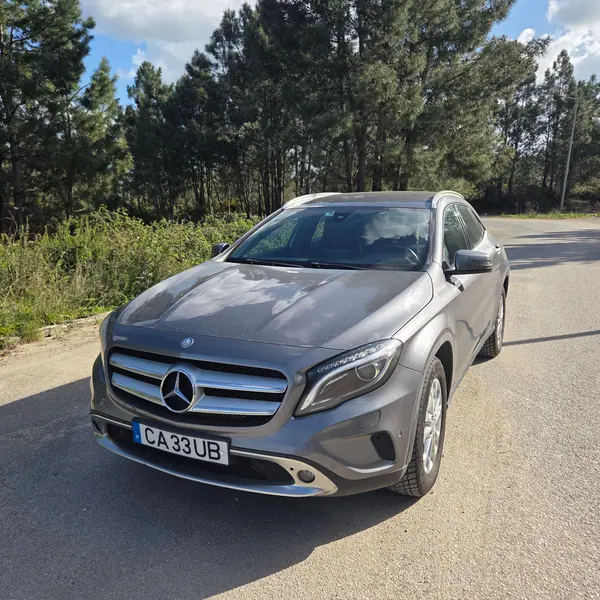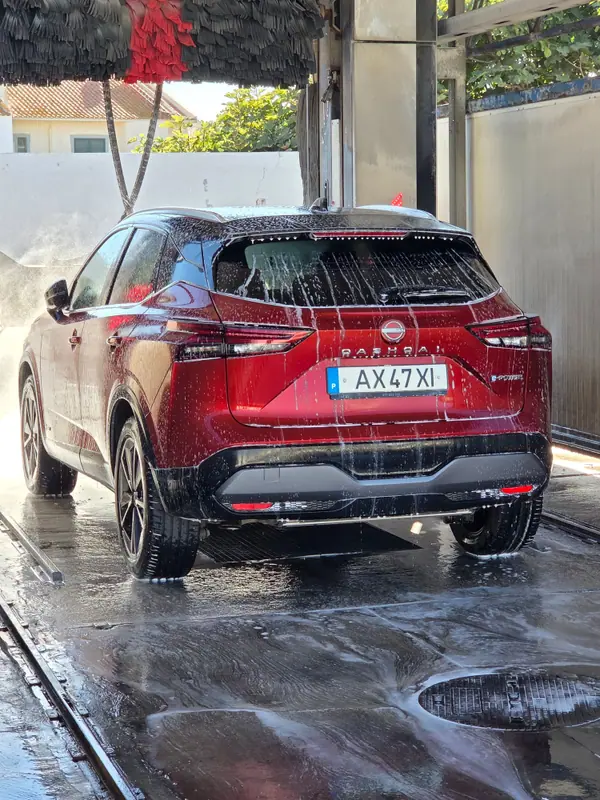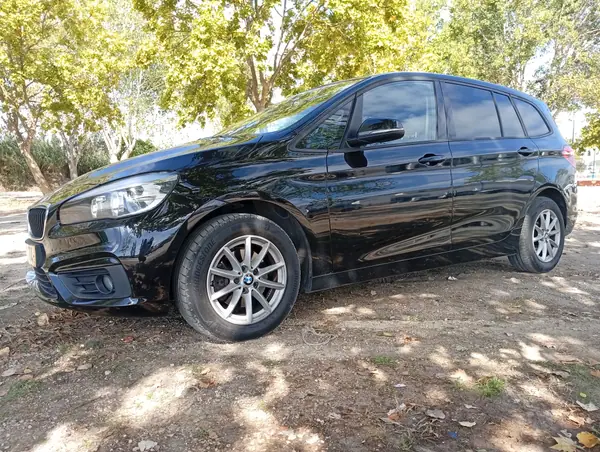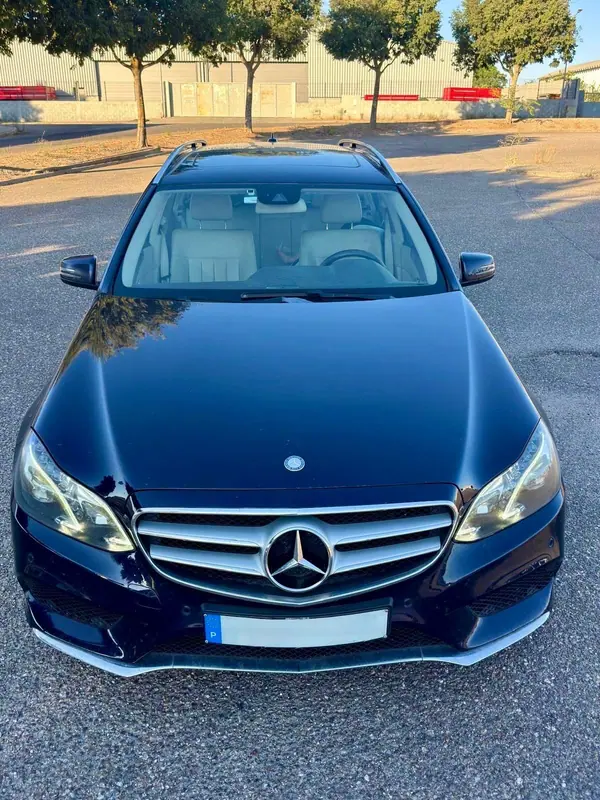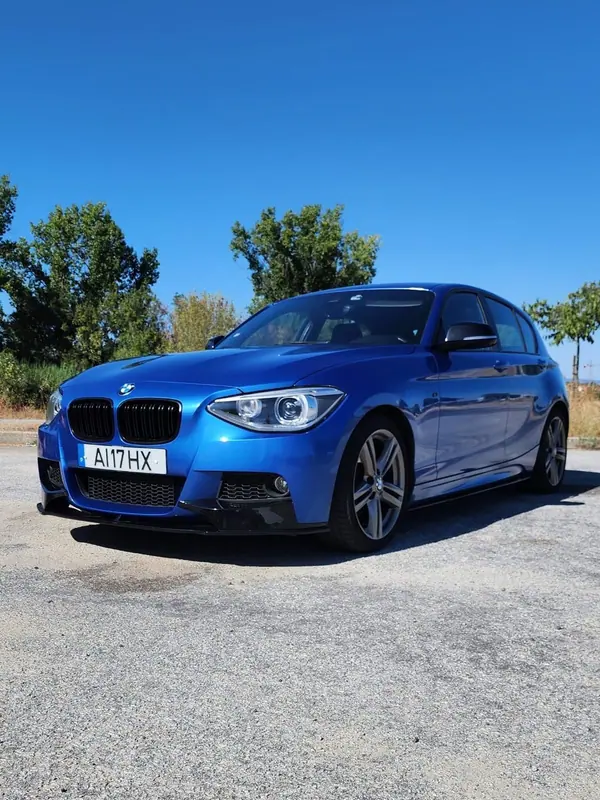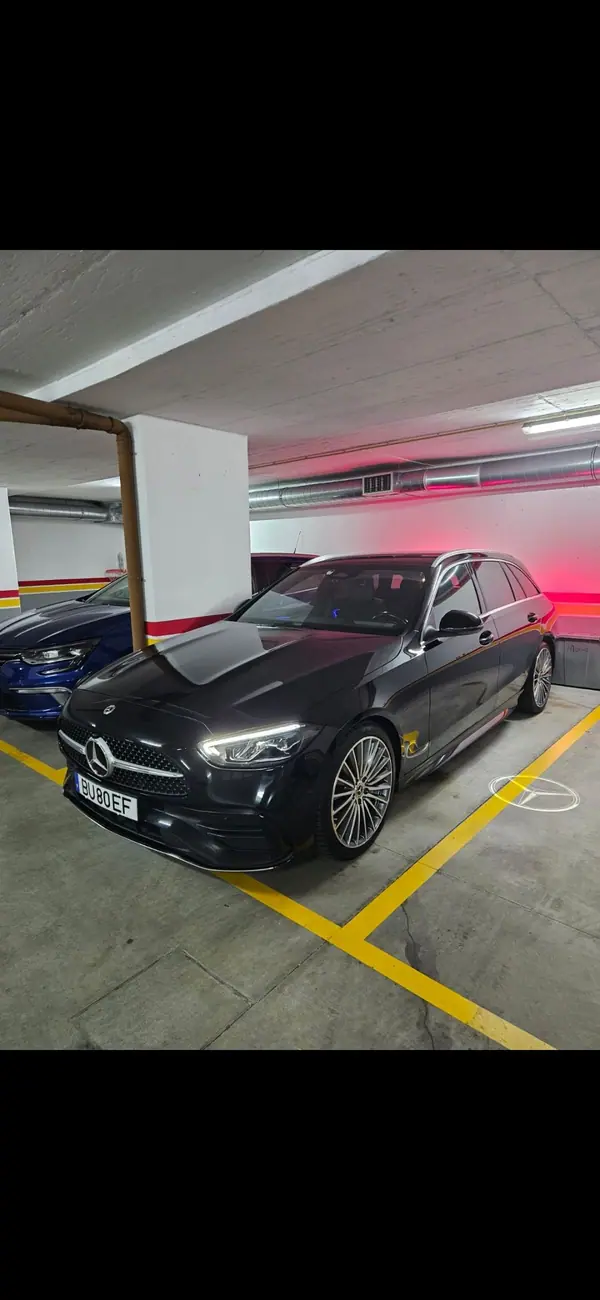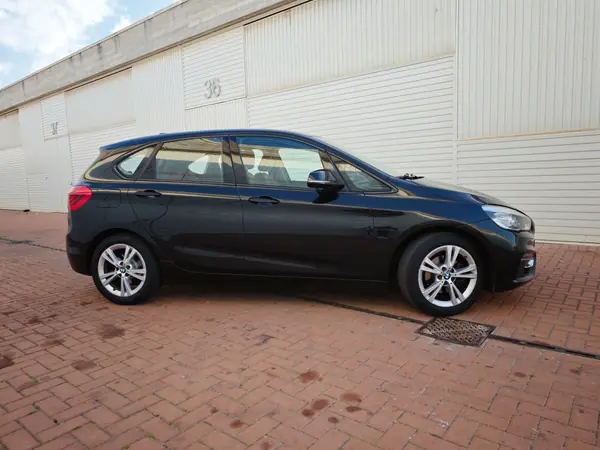
Upgrading to a 20,000-euro budget fundamentally alters your secondary market reality in Portugal. You purchase premium badge equity. You acquire heavy computing power. You buy into early-generation electric vehicle architecture. The five most mechanically and financially sound vehicles trading in this bracket for 2026 are:
- BMW 1 Series F40 (116d / 118i)
- Peugeot 3008 (1.5 BlueHDi / 1.2 PureTech)
- Tesla Model 3 (Standard Range Plus)
- Volkswagen Golf VIII (2.0 TDI / 1.5 eTSI)
- Volvo XC40 (T3 / D3)
Acquiring high-value machinery demands flawless administrative discipline. Portuguese property law forgives no mistakes. The Conservatória transfer deadline 60 days rule is unforgiving. You must submit the transfer paperwork to the Conservatória do Registo Automóvel within exactly 60 days of the physical transaction. Missing this deadline doubles the administrative fees instantly. Verify the chassis status completely before executing a bank transfer. Confirm the absence of a financial reservation on the title. Check the central registry for active judicial pledges. Request a full toll debt audit. Buyers constantly ask, do Via Verde debts transfer to the new owner? Yes, unpaid passages under electronic Via Verde highway gantries follow the license plate, legally transferring the debt burden to the new owner upon registration. Clear all debts. Obtain the physical receipt.
Comparison Matrix: Reliable Models Under 20000 Euros
BMW 1 Series (F40)
- Engine: 116d
- Why Buy (Primary Strength): Exceptional cabin acoustics and high reliability of the iDrive 7 multimedia system.
- Why Avoid (Primary Weakness): Hydro-bush failure on the front lower control arms.
- Typical Repair (Common Workshop Expense): Replacement of front suspension lower control arms — approximately 380 EUR.
Peugeot 3008
- Engine: 1.5 BlueHDi
- Why Buy (Primary Strength): Massive cargo volume and comfortable, compliant ride tuning.
- Why Avoid (Primary Weakness): AdBlue urea injector crystallization.
- Typical Repair (Common Workshop Expense): Replacement of the AdBlue injector module and system flush — approximately 350 EUR.
Tesla Model 3
- Engine / Trim: Standard Range
- Why Buy (Primary Strength): Instant torque delivery and access to the Supercharger network.
- Why Avoid (Primary Weakness): Upper front control arm bushing squeak.
- Typical Repair (Common Workshop Expense): Replacement of front upper control arm assemblies — approximately 250 EUR.
Volkswagen Golf VIII
- Engine: 2.0 TDI
- Why Buy (Primary Strength): Peerless high-speed motorway stability.
- Why Avoid (Primary Weakness): Severe software crashes and freezing on early infotainment units (MIB3).
- Typical Repair (Common Workshop Expense): Mandatory firmware flash at an authorized dealership — approximately 150 EUR.
Volvo XC40
- Engine: T3
- Why Buy (Primary Strength): Class-leading structural crash safety.
- Why Avoid (Primary Weakness): Rapid front brake pad and rotor wear due to the vehicle's mass.
- Typical Repair (Common Workshop Expense): Front brake rotor and pad replacement — approximately 420 EUR.
Other models that appear in this budget
Beyond our primary selections, the secondary market provides excellent alternatives if you broaden your search. Hunting for a Corolla Hybrid or a Hyundai Kauai guarantees unshakable mechanical reliability alongside exceptionally low urban fuel consumption. The late-model Golf VII also represents a remarkably solid, mature bet, frequently leaving thousands of euros untouched inside your twenty-thousand-euro budget.
Navigating the 20000 Euro Secondary Market in Portugal
Crossing the 20,000-euro threshold in Portugal elevates buyers out of the entry-level commuter segment. You transition into executive compacts, heavily equipped family SUVs, and early-adopter pure electric vehicles. Compared to the wider European market, Portuguese vehicle taxation artificially inflates secondary values. Take 20,000 euros to Frankfurt. You drive away in a spotless, barely-driven executive sedan. Bring that same cash to Lisbon or Porto. The math changes completely. High national import taxes crush buying power. That identical budget gets you a four-year-old compact or a six-year-old premium SUV. If you wonder how many km is acceptable under 20 thousand euros, expect the odometer to display anywhere from 80,000 to 130,000 verified kilometers. Check those service stamps rigorously.
Selecting the correct powertrain architecture prevents catastrophic financial losses. Pure Electric Vehicles dominate urban cost analysis. They eliminate standard mechanical maintenance. There are no engine oil changes, no timing belts to snap, and no spark plugs to foul. In Portugal, EVs benefit from a total exemption on the annual road tax. However, buyers must meticulously verify the state of health of the lithium-ion pack. A degraded battery requiring module replacement destroys your bank account. Check the cell voltage balance using specialized diagnostic software.
Mild-hybrid systems bolt a 48-volt starter-generator directly to a tiny turbocharged engine via a heavy-duty belt. Kinetic energy flows backward during hard braking. The battery absorbs it. The system cuts fuel and kills the ignition entirely when you lift off the accelerator at 120 km/h. Urban consumption plummets. Range anxiety simply vanishes.
Yet, modern turbodiesels refuse to die. Highway sales reps crossing the country from Lisbon to the Algarve know the truth. Thermal efficiency peaks inside a 2.0-liter diesel engine sitting at a steady 120 km/h. They devour miles. However, utilizing a modern diesel strictly for short urban commutes guarantees severe mechanical failures. Cold exhaust temperatures prevent passive soot incineration. The diesel particulate filter clogs rapidly. The vehicle enters limp mode. Check your commute distance.
If this financial tier stretches your personal budget beyond comfortable limits, you must reconsider your strategy. Do not drain your emergency savings to secure a premium badge. Shift your focus downward. Read our dedicated guide on the Best Used Cars Under 15000 Euros to find highly reliable, slightly older vehicles that leave you with a comfortable financial cushion for preventative maintenance. Shopping for used cars under 20000 euros requires extreme mechanical scrutiny. You are buying highly complex rolling computers. A single electronic failure costs thousands to rectify.
Detailed Vehicle Audits: Top 5 Choices on AUTO.MOTO.pt
BMW 1 Series F40: Front-Wheel Drive Dynamics and Premium Cabin Tech
Look underneath the F40 chassis. The legendary rear-wheel-drive driveshaft is completely gone. BMW flipped the engine sideways. This transverse, front-wheel-drive layout carved out massive legroom in the rear, instantly turning a cramped coupe into a highly functional family hauler. Touch the dashboard materials. Thick polyurethane absorbs vibration. The iDrive 7 screen reacts instantly to the physical rotary knob. Shut the doors. Acoustic foam blocks wind noise at 130 km/h.
Focus on the three-cylinder blocks. The 1.5-liter B37 engine sits inside the 116d. It pushes 116 horsepower. It sips fuel on the highway. If you hate diesel, grab the B38 petrol block in the 118i. Both engines utilize durable timing chains located at the rear of the engine block.
Inspect the front suspension components carefully. The heavy front-wheel-drive architecture places immense stress on the lower control arm hydro-bushes. The fluid-filled rubber bushings tear internally. The steering feels vague and pulls sharply over broken Portuguese cobblestones. Replacing the control arms costs 380 euros. Test the electronic parking brake repeatedly. The actuator motors mounted on the rear calipers seize from road moisture. The dashboard throws a parking brake malfunction warning. Check the engine bay for sweet-smelling coolant. The plastic water pump housing cracks under thermal cycling. Replace the pump immediately.
Top-tier cabin tech wrapped in a rigid frame. Get under the front bumper and inspect the control arm hydro-bushes for black fluid leaks.
Peugeot 3008: Striking Design and Family SUV Comfort
Forget the boring minivan silhouette of the first generation. Peugeot completely shattered their old design language with this second-generation 3008. The sharp, aggressive exterior lines hide a highly capable family hauler. Inside, the avant-garde i-Cockpit dashboard architecture wraps around the driver. The small, low-mounted steering wheel sits below the raised digital instrument cluster. It requires ergonomic adjustment. The cargo volume swallows 520 liters of luggage easily. The suspension damping absorbs brutal impacts from poorly maintained rural roads without shuddering through the chassis. It rides softly.
The powertrain selection requires brutal honesty about your driving habits. High-mileage drivers must select the 1.5 BlueHDi four-cylinder turbodiesel. It generates 130 horsepower and massive low-end torque for overtaking. Low-mileage urban commuters should hunt for the 1.2 PureTech three-cylinder turbocharged petrol engine.
The infamous 1.2 PureTech wet belt 3008 issue reveals a fatal design flaw. The timing belt runs directly inside the engine oil vapor. As the oil degrades, the chemical additives attack the rubber belt. The wet timing belt begins to disintegrate inside the oil pan. Microscopic rubber fibers clog the oil pump pickup tube, immediately starving the variable valve timing solenoids of hydraulic pressure. Check the dipstick through the filler neck. Look for rubber flakes. Walk away. The BlueHDi diesel suffers from AdBlue system failures. The urea fluid crystallizes inside the injector nozzle. The dashboard displays an emissions countdown. Replacing the injector module and flushing the tank costs 350 euros. The central touchscreen processor lags heavily. You tap an icon. You wait three seconds for the menu to load.
Exceptional ride comfort wrapped in a stunning interior design. Check the petrol engine oil filler neck for disintegrated timing belt rubber.
Tesla Model 3: The Gateway to the Pure Electric Future
Tesla forced the entire European automotive industry into a massive panic with this exact car. Bring 20,000 euros to the table today. You walk away with a 2019 or 2020 Standard Range Plus. Crawl under the rear bumper. A single electric motor bolts directly to the rear subframe. Mash the pedal. Instant magnetic torque snaps your neck back against the headrest. The cabin is stark, dominated purely by a massive 15-inch glass panel. Software updates download silently at 3:00 AM, tweaking thermal management logic or adding features while you sleep. The Supercharger network unlocks cross-country travel instantly.
If people ask is a used Tesla worth it in Portugal, the answer is a resounding yes for fuel savings, but you must inspect the High Voltage Battery with absolute precision. Access the hidden service mode on the central screen. Run a full battery health diagnostic. Verify the exact degradation percentage. A pack showing less than 85 percent state of health indicates severe fast-charging abuse. Replacing a degraded battery module destroys the vehicle's financial viability.
Listen closely to the front suspension over speed bumps. The upper front control arms suffer from poor ball joint sealing. Water enters the joint. The grease washes away. The metal grinds. The suspension emits a horrific, high-pitched squeak that echoes down the street. Replacing both upper control arm assemblies costs 250 euros. Inspect the trunk lid weather seals. Early production models feature poorly designed trunk channels. During heavy Iberian rainstorms, opening the trunk lid dumps a waterfall directly into the cargo bay. Verify the seals were updated under warranty.
Unmatched charging infrastructure and brutal electric acceleration. Access the hidden service menu to verify the exact high-voltage battery degradation.
Volkswagen Golf VIII: Digital Architecture and Efficient Cruising
Volkswagen digitized the iconic Golf for its eighth generation. They removed nearly all physical buttons from the cabin. Capacitive touch sliders control the climate temperature and audio volume. The exterior aerodynamics slice through the wind cleanly. The MQB evo platform delivers peerless high-speed motorway stability. The chassis tracks dead straight at 140 km/h. Residual liquidity remains incredibly high across the Iberian Peninsula. You can sell a clean Golf VIII in three days.
The powertrain engineering remains spectacular. The 2.0-liter EA288 evo turbodiesel dominates the highway. It produces 115 or 150 horsepower. It utilizes twin-dosing SCR catalytic converters to slash nitrogen oxide emissions. It returns 4.5 liters per 100 kilometers effortlessly. The 1.5 eTSI mild-hybrid petrol engine uses a 48-volt starter-generator. It shuts the engine off completely while coasting down highway off-ramps. It restarts the engine seamlessly.
Early production models suffer from catastrophic software instability. The MIB3 infotainment unit crashes constantly. The screen goes entirely black while driving. The navigation freezes. The backup camera fails to engage. Dig into the system settings menu immediately. Check the firmware build number. Drive the DSG dual-clutch transmission into heavy, slow-moving traffic. Pay close attention to the upshift from first to second gear. A violent clunk means the internal mechatronic solenoids are failing. Swapping that mechatronic valve body drains 1,200 euros from your wallet. Turn the steering wheel sharply. Your palm will brush the glossy capacitive buttons, accidentally triggering the heated steering wheel or changing the radio station.
The ultimate autobahn cruiser with seamless mild-hybrid coasting. Verify the exact firmware version to avoid maddening infotainment blackouts.
Volvo XC40: Scandinavian Safety and Substantial Build Quality
Knock on the door panels. The XC40 feels like a rolling bank vault forged from solid Swedish boron steel. Crash safety dictates every millimeter of the chassis engineering. Drop into the driver's seat. Volvo employs orthopedic surgeons to design their seat foam profiles. Your lower back will not ache after a brutal four-hour highway stint. You sit high up, looking straight down over the hood into traffic.
Look under the hood. The T3 petrol block relies on three cylinders and a turbocharger to push 163 horsepower. It moves the heavy curb weight without struggling. Diesel buyers need the D3. This 2.0-liter four-cylinder oil-burner delivers 150 horsepower and 320 Nm of raw twisting force. It tows heavy loads up steep mountain passes effortlessly.
The substantial curb weight exacts a heavy toll on consumable components. The vehicle weighs over 1,600 kilograms. This mass destroys front brake pads and cast-iron rotors rapidly in heavy city traffic. Inspect the outer lip of the front brake rotors with your fingernail. A deep groove indicates the rotors are worn below minimum thickness limits. Replacing the front rotors and pads costs 420 euros. Interact with the Sensus portrait touchscreen on a cold morning. The processor lags heavily for the first three minutes after startup. You cannot adjust the climate control temperature until the system boots fully. On D3 diesel variants, inspect the exhaust gas recirculation cooler. The internal welds crack under thermal stress. The cooler leaks coolant internally, burning it through the exhaust. Check the coolant reservoir level.
Unrivaled structural safety and supreme orthopedic seat comfort. Inspect the front brake rotors for deep grooves caused by the heavy curb weight.
Pre-Purchase Inspection and Technical Verification
Evaluating a 20,000-euro vehicle demands rigorous, clinical inspection procedures. You cannot rely on a visual walkaround. The complexity of these machines hides catastrophic failures deep within their digital architecture. You must bring a professional-grade OBD-II diagnostic scan tool. Cheap code readers only access the generic engine ECU. You must query individual modules. Scan the ABS module. Scan the airbag SRS module. Scan the transmission control unit. Look for historical fault codes that the seller attempted to clear. Hard faults return immediately upon engine startup. Connect the cable.
Inspect the physical chassis with a flashlight. Look at the aluminum subframe mounting points. Check for impact damage from high curbs. Examine the suspension strut towers for cracked paint, which indicates severe structural twisting. Check the manufacturing date codes stamped on the tire sidewalls. Mismatched premium tires indicate a seller cutting corners on basic maintenance. Walk away fast.
For electric vehicles, evaluating the battery health is the only metric that matters. Access the vehicle's diagnostic menu. Read the cell voltage balance. A healthy pack shows less than a 0.02-volt difference between the highest and lowest cell modules under load. A large voltage delta indicates failing cells. Do not gamble on a degraded EV battery. Maintaining used cars correctly requires setting aside a strict financial reserve. Keep 1,500 euros in cash immediately after purchase. Perform a full fluid flush. Replace the engine oil, transmission fluid, and brake fluid. Swap all filters. Reset the maintenance baseline.
Frequently Asked Questions (People Also Ask)
Is it worth buying a car under 20000 euros in Portugal?
Absolutely. This specific budget captures vehicles hitting the critical four-to-six-year depreciation mark. The original owner absorbed the brutal fifty percent drop in retail value. You acquire modern radar safety systems, advanced digital infotainment, and efficient powertrains at a fraction of their original cost. If you select a model with a verified, unbroken service history, the ongoing depreciation curve flattens significantly. You retain substantial capital value while enjoying premium automotive technology.
Petrol, diesel, or EV: Which powertrain makes sense at 20000 euros?
Your daily logistical reality dictates this choice entirely. Buy a pure electric vehicle if you possess a dedicated home charging wallbox and commute primarily within a 100-kilometer urban radius. The running costs drop to pennies per kilometer. Buy a mild-hybrid petrol engine if you mix suburban commuting with occasional weekend trips. Buy a 2.0-liter turbodiesel strictly if you drive over 20,000 kilometers annually on open highways. Operating a modern diesel on short city trips destroys the particulate filter rapidly.
Dealership stand vs. private seller: Where should you buy?
Professional multi-brand vendors listed on AUTO.MOTO.pt provide a mandatory 18-month statutory warranty under Portuguese consumer law. This legal shield covers catastrophic failures of the engine block, cylinder head, and transmission. They charge a 2,000-euro premium for this security. Private sellers offer massive cash discounts and room to negotiate, but you buy the vehicle strictly as-is. When buying privately, take the money you saved and hire a qualified technician to inspect the vehicle on a hydraulic lift before transferring funds.
How does annual road tax (IUC) affect the overall budget?
The Imposto Único de Circulação impacts your fixed annual ownership costs heavily. The Portuguese tax authority calculates IUC for post-2007 vehicles based on engine displacement and officially tested CO2 emissions. A 2.0-liter diesel Golf VIII pays roughly 230 euros annually. A 1.0-liter petrol engine pays around 110 euros. Pure electric vehicles like the Tesla Model 3 are currently 100 percent exempt from the IUC tax in Portugal. Verify the exact CO2 emissions figure on the vehicle registration document before purchasing to calculate your exact tax liability. Pay the treasury.
Final Verdict and Strategic Buying Counsel
At the 20,000-euro price point, missing data equals extreme financial risk. A missing digital service record or an active, uncleared fault code on a luxury compact vehicle translates directly into catastrophic repair bills. Never buy a premium vehicle based purely on exterior paint condition or interior detailing. Look beneath the surface.
Demand absolute diagnostic transparency. Plug your scanner into the port. Verify the mileage recorded in the transmission control module matches the dashboard display. Mileage rollbacks remain a persistent threat in the secondary market. Check the data yourself.
Examine the engine oil filter housing carefully. Shine a bright light around the plastic seams. Oil weeping from the filter cap indicates a lazy mechanic who reused the old rubber O-ring during the last service. Cut corners on basic maintenance predict massive failures deep inside the engine block. Pull the dipstick.