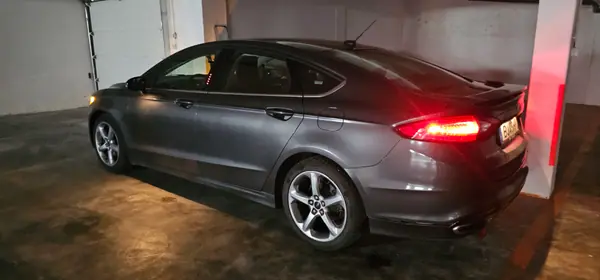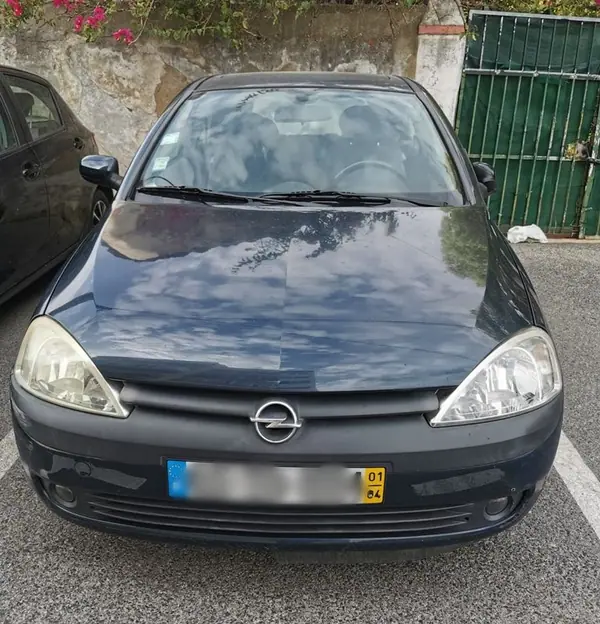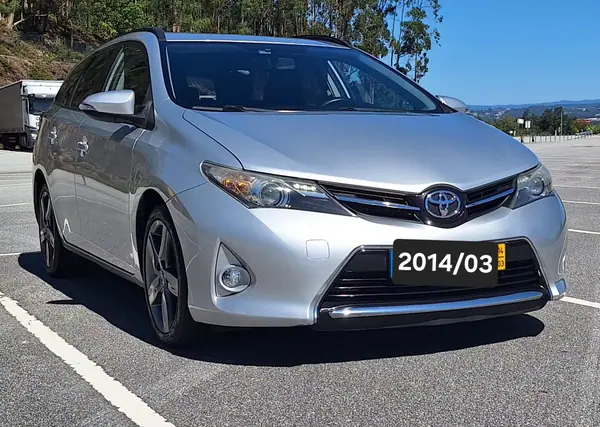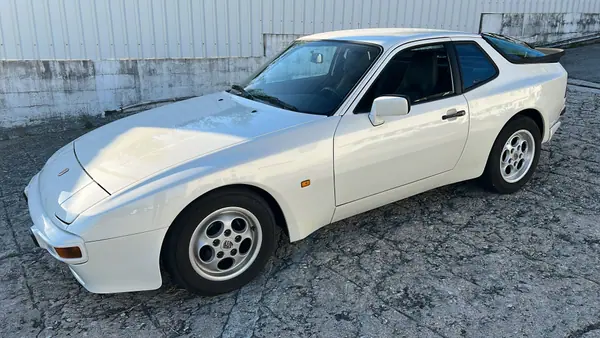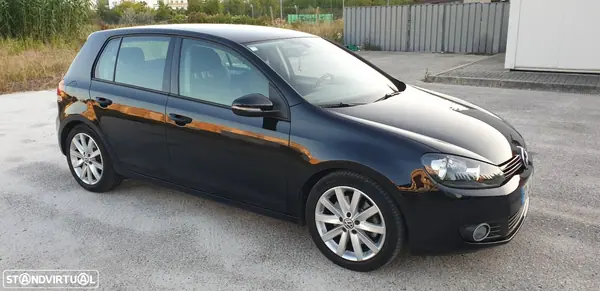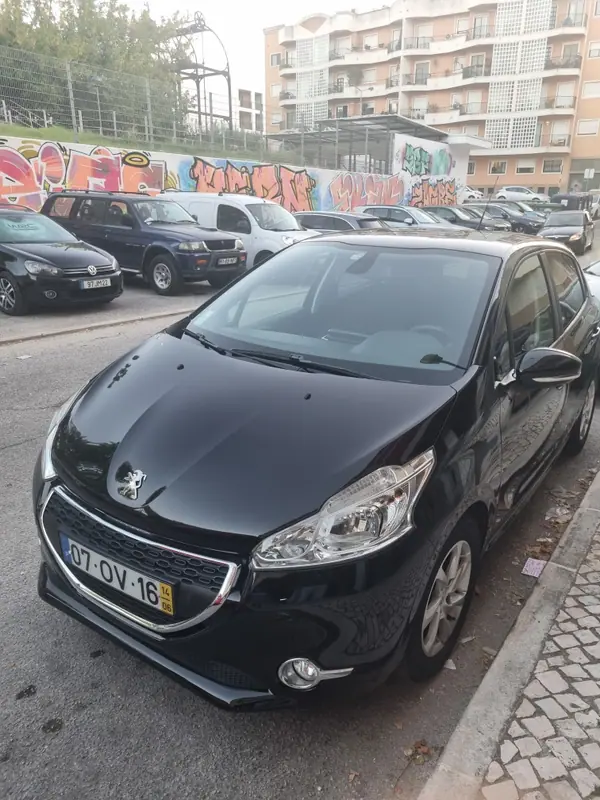
Forget comfort. Forget status. A 1,000-euro budget in Portugal means buying pure, ugly survival. Flaking paint means nothing. Ripped seats mean nothing. You only care about the starter motor spinning the flywheel and the transmission grabbing gears without spitting metal shavings.
- Nissan Micra K11 (1.0 16V)
- Fiat Punto Mk2 (1.2 8V)
- Opel Corsa B (1.2i / 1.5D)
- Peugeot 106 (1.0 / 1.1)
- Renault Clio II (1.2 8V)
Survival defines this price bracket. You purchase bare-bones mechanical transport. The Portuguese secondary market for bottom-tier used cars revolves entirely around cheap running gear and scrap-yard parts availability. Complex electronic sensors, turbochargers, and variable valve timing mechanisms represent direct liabilities when capital is tight. Check the spark plugs.
Comparison Matrix: Reliable Survivor Models Under 1000 Euros
Nissan Micra K11
- Engine: 1.0 16V CG10DE
- Why Buy (Primary Strength): Double overhead cam timing chain layout outlasts the car.
- Why Avoid (Primary Weakness): Structural rust rots the lower radiator support crossmember.
- Typical Repair (Common Workshop Expense): Front radiator crossmember welding and structural rust repair (180 EUR).
Fiat Punto Mk2
- Engine: 1.2 8V FIRE
- Why Buy (Primary Strength): Non-interference cylinder head prevents piston-valve collision on belt snap.
- Why Avoid (Primary Weakness): Electric power steering City mode column torque sensor failure.
- Typical Repair (Common Workshop Expense): Reconditioned electric steering column servo motor replacement (150 EUR).
Opel Corsa B
- Engine: 1.5D Isuzu
- Why Buy (Primary Strength): Bulletproof naturally aspirated Japanese diesel block with massive mileage capacity.
- Why Avoid (Primary Weakness): Rust perforates the rear upper shock absorber mounting towers.
- Typical Repair (Common Workshop Expense): Rear shock tower sheet metal patch welding and seam sealing (160 EUR).
Peugeot 106
- Engine: 1.1i TU1
- Why Buy (Primary Strength): Compliant torsion bar suspension glides over broken city cobblestones.
- Why Avoid (Primary Weakness): Rear axle needle bearings collapse, causing severe negative wheel camber.
- Typical Repair (Common Workshop Expense): Reconditioned rear beam replacement with bronze bushing upgrade (220 EUR).
Renault Clio II
- Engine: 1.2 8V D7F
- Why Buy (Primary Strength): Factory galvanized zinc sheet metal prevents catastrophic structural corrosion.
- Why Avoid (Primary Weakness): Crankshaft position sensor failure causes intermittent warm non-start issues.
- Typical Repair (Common Workshop Expense): Top Dead Centre sensor cleaning and wiring harness plug replacement (45 EUR).
Navigating the 1000 Euro Secondary Market in Portugal
Venturing into the sub-1,000-euro automotive territory in Portugal means inspecting vehicles manufactured between 1995 and 2003. Most odometers display numbers exceeding 250,000 kilometers. Paint surfaces show severe clear-coat peeling under the intense Iberian sun. Plastic bumpers have turned chalky white. Air conditioning systems rarely blow cold. Manual window winders replace electric motors. Radios run on cassette tapes. Look for oil leaks.
Engine selection dictates your financial survival. Naturally aspirated petrol engines utilizing single-point or basic multi-point fuel injection reign supreme over aging diesels at this price point. A twenty-five-year-old diesel with a worn Bosch rotary pump, tired glow plugs, and tired fuel injectors will quickly turn into an expensive nightmare. Cold morning starts will discharge your battery before the combustion chambers generate sufficient compression heat to fire. High-pressure diesel injection repairs easily exceed the market value of the vehicle. A basic four-cylinder petrol engine requires only four spark plugs, a clean air filter, and clean oil to run reliably. Spark plugs cost fifteen euros a set.
Buyers hunting for used cars under 15000 euros demand heated seats and touchscreen displays. You cannot do that here. You are buying a metal box with spark plugs. If you need side-impact airbags or traction control, stop reading. Read our guide on the Best Used Cars Under 1000 Euros instead. Check the tire tread depth.
Detailed Vehicle Audits: Top 5 Choices
Nissan Micra K11: The Japanese Timing Chain Survivor
Crawl underneath the front bumper of a second-generation Micra with an inspection flashlight. Strike the lower radiator crossmember with a plastic screwdriver handle. If the steel flakes away into reddish-brown powder, walk away. This structural beam rots silently while the exterior body panels look spotless. The replacement crossmember panel costs sixty euros on the aftermarket, but cutting away the rotten steel and welding a fresh structural support demands 180 euros in workshop labor. Check the inner front fender arches.
Pop the tiny hood. The all-aluminum, double overhead camshaft CG10DE four-cylinder engine is an engineering masterpiece from Nissan's golden era. Clean oil saves this internal chain. It hits 350,000 kilometers easily. It rarely jumps teeth. Put your ear near the cylinder head on a cold morning. A fast, metallic slapping noise means the chain is stretched or the hydraulic tensioner is dying. Pull the dipstick.
Nissan shoved the coil, crank sensor, and power transistor into one aluminum distributor. Heat kills it. The internal insulation bakes and cracks over the years. The car runs fine cold. It hits ninety degrees and dies instantly at a red light. It cranks. It refuses to spark. Wait twenty minutes for the metal to cool.
The K11 weighs less than 850 kilograms in base trim. Tiny 155/70 R13 tires cost thirty-five euros. Front brake pads cost eighteen euros. It burns 6.2 liters of petrol in the city. The five-speed shifts hard. Put the gearbox in neutral. Release the clutch. Listen for a high-pitched whine. Press the clutch to the floor mat. If the noise vanishes, the gearbox input shaft bearing is heavily worn. Buy a new bearing for eighty euros.
The most reliable Japanese micro-car engine ever imported into the Portuguese market. Reject any chassis showing perforating structural rust along the lower radiator support crossmember.
Fiat Punto Mk2: Cheap Parts and Unmatched Simplicity
Open the engine bay of a base-model Punto Mk2. You can drop a wrench straight through the chassis to the ground. The engine bay packaging is so sparse that accessing any component takes minutes. Sitting low on its mounts is the 1.2-liter, eight-valve Fully Integrated Robotized Engine, known universally to European mechanics as the FIRE block. It produces sixty horsepower. It utilizes a single overhead camshaft driven by a tiny rubber timing belt. Remove the plastic belt cover.
This engine features a non-interference cylinder head design. The clearance volume between the wide-open valves and the top of the piston crown at top dead center exceeds the maximum valve lift. If the timing belt snaps at 4,000 RPM on the highway, the valves remain completely unharmed. The camshaft simply stops spinning while the crankshaft coasts to a halt. You do not bend valves. You do not crack valve guides. You do not puncture piston crowns. You simply buy a replacement timing belt for twelve euros, align the timing marks on the sprockets, and tension the belt with a simple wrench. Install a new water pump.
Cooling system neglect ruins these engines. The factory steel coolant transfer pipe running behind the exhaust manifold corrodes from the inside out when previous owners run tap water instead of proper ethylene glycol. Coolant weeping from this rusted pipe goes unnoticed until the header tank empties. The aluminum cylinder head warps instantly under thermal stress. The composite head gasket blows across the firing rings between cylinders two and three. Start the engine. Remove the expansion tank cap carefully. If violent gas bubbles erupt into the coolant or white exhaust smoke smells distinctly of sweet, burnt antifreeze, the head gasket is blown. Planing the cylinder head and installing a multi-layer steel replacement gasket costs 240 euros.
Test the electric power steering system thoroughly. Fiat fitted these cars with an electric steering column motor featuring a dashboard "City" button that doubles steering assistance for parking. The optical torque sensors soldered inside the steering column circuit board fail. The steering wheel suddenly jerks to the left or loses all power assistance mid-corner, illuminating a bright red steering wheel warning light on the instrument cluster. Replacing the column torque sensors or installing a reconditioned electric steering motor costs 150 euros. Check the stamped steel oil pan for corrosion. Stone chips peel the factory black paint, allowing road salt and moisture to rust through the steel until motor oil weeps through the metal pan. A replacement oil pan costs thirty euros.
Exceptional non-interference engine geometry paired with the cheapest replacement parts in Portugal. Verify that the electric power steering motor operates smoothly without dropping out during tight parking maneuvers.
Opel Corsa B: The Unkillable Commuter
Ignore the outdated pebble shape. General Motors built a tank. Portuguese scrap yards are overflowing with Corsa B body panels. A dented door or smashed fender costs twenty euros to fix. Grab a socket wrench. Bolt it on. You have two engine choices. The 1.2-liter petrol block is dead simple. The 1.5-liter diesel is a legend. Isuzu built it. Heavy iron block. Aluminum head. Mechanical Bosch VE injection pump. It runs forever.
That Isuzu diesel block lacks a turbocharger to blow oil seals. It lacks an engine management computer to suffer dry-solder joint failures. It relies entirely on mechanical fuel injection driven directly by the timing belt. As long as clean diesel flows through the fuel filter and coolant circulates through the radiator, this engine runs past 400,000 kilometers without internal component degradation. Fuel consumption averages 4.5 liters per 100 kilometers on secondary roads. Buy fuel additive.
Inspect the rear shock absorber mounting points located inside the rear wheel wells. Dirt and moisture pack into the crevice between the stamped sheet-metal wheel tub and the reinforced shock tower. The structural metal rots from the inside out. Tap the area with a small hammer. If the metal crumbles, the rear shock absorber can physically punch through the interior luggage compartment floor over a sharp pothole. Welding fresh reinforcement plates costs 160 euros per side.
Check the mechanical water pump on petrol engines. Driven by the timing belt, the pump bearing develops excessive axial play after 60,000 kilometers, allowing coolant to leak past the ceramic face seal directly onto the timing belt rubber. A replacement water pump costs twenty-five euros. Examine the rubber boots protecting the steering rack tie-rod ends. Split rubber boots allow road grit to enter the rack and pinion teeth, destroying the nylon internal bushings and generating heavy clunking sounds over road irregularities. Replace the steering boots immediately.
A rugged commuter with cheap replacement parts across every salvage yard in Portugal. Inspect the inner rear shock absorber towers carefully for structural rust perforation.
Peugeot 106: Lightweight French Agility
It weighs 810 kilograms. The Peugeot 106 is pure minimalist engineering. Thin pillars. Big windows. It dodges city traffic effortlessly. Peugeot used MacPherson struts up front and a transverse torsion bar rear axle. No bulky rear shock towers block the trunk. The cargo floor is totally flat. It floats over Lisbon cobblestones. Pop the hood. You will find the legendary PSA TU-series engine. Buy the 1.0-liter or 1.1-liter version. They use wet cast-iron cylinder liners. If it overheats and scores a cylinder wall, you do not scrap the block. You pull the cylinder head. You slide the ruined liner out. You drop a new liner in. No machine shop required.
Examine the rear wheels from twenty paces back on level asphalt. Look directly at the angle of the rear tires relative to the vertical plane. If the tops of the rear wheels tilt inwards toward the wheel arches, creating pronounced negative camber, the rear axle is destroyed. Peugeot utilized internal needle bearings to support the trailing arm pivot shafts inside the hollow cross-tube. The rubber lip seals dry out and crack over twenty years. Road water washes away the lithium grease. The needle bearings corrode, flatten, and mill deep, irrecoverable grooves into the high-tensile steel pivot shaft. Lift the rear end.
Once the trailing arm shaft is scored, the rear tires rub against the inner metal wheel well liners. A severe clunk echoes through the cabin over every bump. You cannot simply install new bearings into a grooved tube. You must replace the complete rear axle beam assembly. Reconditioned rear axles fitted with durable solid bronze bushings cost 220 euros from specialized suspension workshops.
Check the external ignition coil pack mounted to the left side of the cylinder head. The plastic housing cracks along its baseplate from engine heat radiation, allowing secondary ignition voltage to short directly into the metal head during wet winter mornings. The engine misfires violently on two cylinders until the heat evaporates the condensation. A replacement Magneti Marelli coil pack costs thirty-five euros. Inspect the three stamped-steel gear linkage rods connecting the cabin floor shifter to the five-speed manual transmission casing. The nylon ball-and-socket cups wear loose, popping off the linkage balls unexpectedly and leaving the gear lever flopping uselessly in neutral. Installing upgraded steel retaining-clip linkage rods costs twenty euros.
An agile city car that rides over broken cobblestone streets with ease. Walk away immediately if the rear tires lean inwards toward the bodywork from collapsed axle bearings.
Renault Clio II: The Comfortable Budget Benchmark
Slide onto the wide, thickly padded front seats of a second-generation Clio. The contrast in interior refinement compared to 1990s micro-cars is striking. Renault engineered the Clio II with modern acoustic isolation materials, dense seat foam, and compliant long-stroke suspension dampers. Front fenders are molded from flexible Noryl composite plastic instead of pressed sheet metal. They do not rust. Minor parking scrapes bounce back without leaving permanent metal creases. The steel monocoque underwent comprehensive zinc galvanization at the factory. Check the floor panels.
Under the plastic scuttle panel sits the 1.2-liter eight-valve D7F four-cylinder engine. It produces fifty-eight horsepower. Renault engineered this cast-iron block with extreme simplicity. It uses a single overhead camshaft, multi-point fuel injection, and a robust mechanical throttle body connected directly to the gas pedal via an old-school steel cable. Throttle response is instant and linear. It cruises comfortably at 100 km/h while returning 5.8 liters per 100 kilometers. Pull the throttle cable manually.
The Top Dead Centre crankshaft position sensor is the primary weakness of the D7F engine. Bolted directly above the flywheel ring gear with two ten-millimeter bolts, this inductive sensor picks up magnetic pulses to tell the engine computer when to fire the spark plugs. The sensor tip accumulates magnetized clutch dust over time. The electrical connector pins corrode from atmospheric moisture. The engine cranks rapidly on the starter motor but refuses to start. You can be stranded outside a grocery store for twenty minutes. Cleaning the magnetic pickup tip and soldering a revised wiring harness connector directly to the sensor eliminates the fault. A replacement sensor costs twenty euros.
Sunroof models require aggressive inspection. The front and rear water drain tubes running down the interior A-pillars and C-pillars clog with decaying leaves and pollen. Rainwater backs up into the sunroof cassette, overflows the internal plastic gutters, and soaks the front passenger carpeting. The water pools silently underneath the thick under-carpet acoustic foam padding. The central passenger compartment computer sits mounted near the lower fuse box in the driver footwell. Moisture wicks into the wiring connectors, triggering bizarre electrical gremlins: windshield wipers sweep randomly, hazard lights flash continuously, and the immobilizer refuses to recognize the ignition key. Lift the floor mats. Feel for damp foam padding.
Inspect the front headlight lenses. The original polycarbonate plastic oxidizes heavily under the intense sun, turning hazy and yellowed. Opaque lenses block up to fifty percent of forward light projection, resulting in an immediate failure during the mandatory periodic technical inspection. Restoring the lenses with 1500-grit wet sandpaper, followed by compound polishing and a fresh coat of UV-resistant sealant, costs twenty euros in materials. Check the front suspension coil springs. The lower coil tail frequently snaps inside the strut perch due to metal fatigue. Replacing a pair of front springs costs sixty euros.
The most comfortable and structurally solid budget runabout available for 1,000 euros. Check the passenger footwell carpets for water intrusion from clogged sunroof drain tubes.
Pre-Purchase Inspection and Technical Verification
Inspect a 1,000-euro vehicle with an entirely different mindset than a late-model car. Bring an LED inspection flashlight, a small magnetic pickup tool, a digital multimeter, and a pair of disposable nitrile gloves. Arrive thirty minutes early to ensure the seller has not started the engine before your arrival. Place your bare palm directly onto the exhaust manifold. If the metal is warm, the seller has pre-warmed the engine to mask cold-start rod knock, low compression smoke, or a dying starter motor. Grab the battery terminals.
Open the engine oil filler cap. Look at the underside of the plastic cap. If you see a thick, mayonnaise-like emulsion of white or yellow foam, water is mixing directly with the engine oil. This indicates a blown cylinder head gasket or a cracked cylinder head casting. If the cap is clean, shine your flashlight down into the valvetrain opening. Heavy black carbon crusting indicates neglected oil change intervals. Smell the dipstick.
Open the coolant expansion tank. The liquid must be bright green, yellow, or pink. If the reservoir contains dirty, orange-brown water smelling of raw rust, the cooling system has been run on tap water for years. Tap water corrodes the internal copper heater core, rots the radiator tubes, and eats away the cast-iron engine block from the inside out. Squeeze the upper radiator rubber hose. It should feel supple and pliable. If the hose feels rock-hard and brittle, high internal cooling pressure is blowing past the cylinder head fire rings. Start the engine.
Check the mechanical clutch assembly. Start the engine. Pull the emergency handbrake lever up firmly. Depress the clutch pedal, select third gear, and hold the engine speed at 2,000 RPM using the throttle. Release the clutch pedal smoothly over two seconds. If the engine stalls immediately, the clutch friction disc still possesses sufficient material to grip the flywheel steel. If the engine continues running while the clutch pedal is completely released, the friction material is worn down to the bare metal rivets. The clutch is slipping completely. Replacing a clutch kit on an old front-wheel-drive hatchback costs between 200 and 350 euros in parts and labor.
Inspect the structural underside. Tap the structural floor pans, inner sills, and suspension mounting points with the handle of a heavy screwdriver. Solid steel rings with a clean, metallic tone. Rotted, rusted steel produces a dull, hollow crunch. Inspect the rubber tires. Check the four-digit DOT manufacturing date code stamped into the outer sidewall. The first two digits represent the production week; the last two digits represent the year. If the tires were manufactured more than eight years ago, the rubber compound has hardened and oxidized. Old, hardened rubber loses up to forty percent of its braking friction on damp asphalt. A fresh set of four budget tires will add 160 euros to your initial investment.
Budgeting for bottom-tier used cars requires cold, disciplined arithmetic. Always keep 250 euros in cash untouched after handing money to the seller. Use this emergency fund immediately for a baseline fluid and filter service. Drain the old crankcase oil. Install a fresh oil filter. Replace the engine air filter, the fuel filter, and the spark plugs. Flush the old, moisture-laden brake fluid with fresh DOT 4 fluid. Flush the coolant.
Frequently Asked Questions (People Also Ask)
Is it worth buying a car under 1000 euros in Portugal?
Yes, but only if you approach the purchase strictly as basic mechanical transportation. Vehicles at this extreme price point have zero remaining depreciation. A functional 1,000-euro car that runs and passes its periodic technical inspection will always be worth 1,000 euros on the secondary market. You can drive it for eighteen months, maintain the mechanical components using salvage parts, and sell it for the exact amount you paid. However, you must accept cosmetic blemishes, minor oil leaks, and primitive interior amenities. Check the window cranks.
Petrol or diesel: Which powertrain makes sense at 1000 euros?
Simple, naturally aspirated petrol engines represent the safest investment at this price ceiling. A 1.0-liter to 1.2-liter eight-valve petrol engine uses cheap components. It uses no turbocharger. It uses no high-pressure diesel injection pump. It uses no intercooler. Salvage yards are filled with cheap replacement cylinder heads and alternators. Conversely, a 1,000-euro diesel vehicle in Portugal has typically covered over 350,000 kilometers as a commercial delivery workhorse. The fuel injection pump seals dry out, the mechanical injectors lose their spray pattern, and replacing these precision diesel components will instantly exceed the market value of the entire vehicle. Choose simple petrol.
Dealership stand or private seller: Where should you buy?
You will buy almost exclusively from private sellers at this financial level. Professional automotive dealerships and multi-brand commercial stands in Portugal do not retail 1,000-euro cars. Portuguese consumer protection law mandates that commercial dealers must provide an eighteen-month statutory warranty on motor vehicles sold to private citizens. The razor-thin profit margins on a sub-1,000-euro car cannot absorb the financial liability of warranting a twenty-five-year-old vehicle against mechanical breakdowns. Commercial stands immediately offload older trade-ins to scrap yards, wholesale exporters, or independent private flippers. Prepare to negotiate directly with private owners on residential driveways.
Final Verdict and Strategic Buying Counsel
At the 1,000-euro price point, brand prestige, vehicle mileage, and cosmetic appearance carry zero mathematical value. A faded Fiat Punto with fresh front tires, a clean radiator, and a dry oil pan is an infinitely superior investment to a neglected BMW or Audi carrying missing service history and a blown head gasket. Look for dry engine blocks.