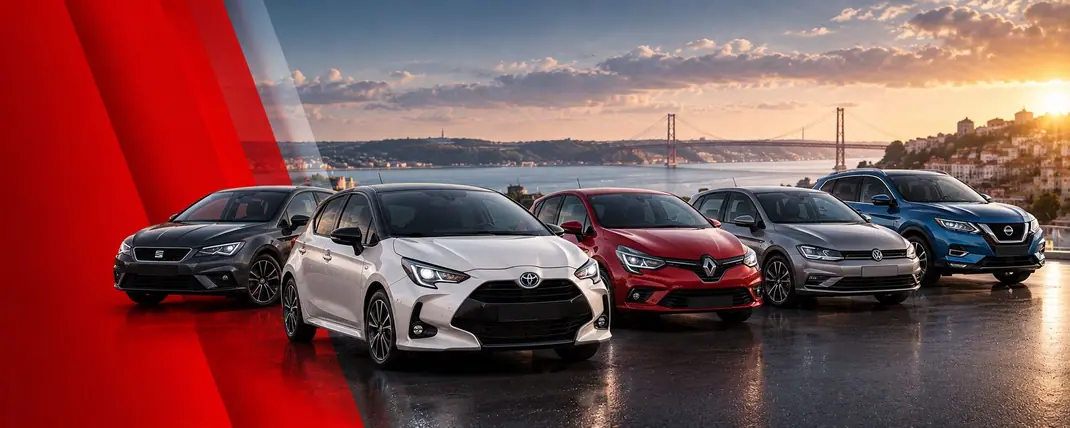
Setting a 15,000-euro budget in Portugal shifts your buying criteria from mere mechanical survival to modern active safety, rigid structural engineering, and low emissions. The five most reliable machines at this target level are:
- Toyota Yaris Hybrid (1.5 VVT-i Hybrid)
- Renault Clio V (1.0 TCe / 1.5 Blue dCi)
- Volkswagen Golf VII (1.6 TDI / 1.0 TSI)
- Nissan Qashqai II (1.5 dCi / 1.3 DIG-T)
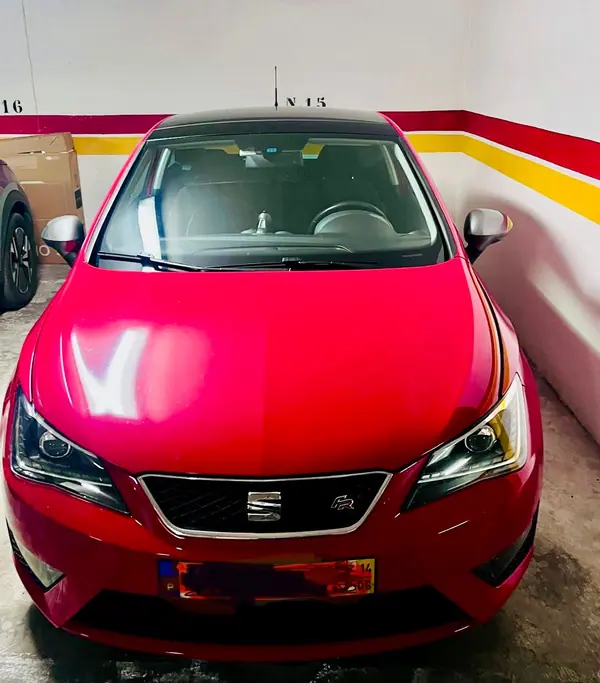
- SEAT Leon III (1.6 TDI / 1.0 TSI)
Modern automotive engineering dominates this tier. You get active radar braking. You get digital cockpits. You get strict Euro 6 emissions compliance across every single engine option.
Check ownership records immediately. Demand an official registry certificate. Confirm the chassis carries no registered financial encumbrances or judicial liens from previous credit defaults. Run an electronic toll audit. Unpaid highway portal transactions accrued through the Via Verde transponder link directly to the registration plate, legally transferring liability to the buyer upon title assignment. Clear debts first.
Plug a diagnostic scanner into the OBD-II port before negotiating. Read live engine parameters. Check soot loads. Check injector deviation rates.
Comparison Matrix: Reliable Models Under 15000 Euros
Toyota Yaris Hybrid (1.5 VVT-i Hybrid)
- Primary Strength: Low urban fuel burn and zero clutch wear.
- Primary Weakness: Engine drone under hard acceleration.
- Common Workshop Expense: High-voltage battery cooling fan extraction and filter servicing (140 EUR).
Renault Clio V (1.0 TCe)
- Primary Strength: Quiet cabin and compliant suspension tuning.
- Primary Weakness: Central infotainment screen software lockups.
- Common Workshop Expense: Thermostat housing replacement and cooling circuit bleeding (190 EUR).
Volkswagen Golf VII (1.6 TDI)
- Primary Strength: Rock-solid high-speed highway stability.
- Primary Weakness: Water pump leaks before the standard belt interval.
- Common Workshop Expense: Timing belt kit and coolant pump replacement (480 EUR).
Nissan Qashqai II (1.3 DIG-T)
- Primary Strength: High ride height and practical family cargo utility.
- Primary Weakness: Rear parking brake caliper actuator motor seizure.
- Common Workshop Expense: Electric parking brake caliper servo replacement (310 EUR).
SEAT Leon III (1.0 TSI)
- Primary Strength: Sharp steering response and cheap replacement parts.
- Primary Weakness: Clogged heater matrix blowing cold air on the passenger side.
- Common Workshop Expense: Dashboard extraction and heater core matrix replacement (520 EUR).
Navigating the 15000 Euro Secondary Market in Portugal
Taking 15,000 euros across northern Europe secures four-year-old executive station wagons. Portugal operates differently. Steep vehicle taxes on initial registrations keep secondary market valuations high. Older cars hold value stubbornly. A 15,000-euro investment in Lisbon or Porto secures a clean, five-year-old supermini or an eight-year-old compact hatchback showing roughly 90,000 to 140,000 verified kilometers. You pay for localized market demand.
Powertrain mechanics dictate your monthly bank balance. Full hybrids rule the Portuguese urban grid. Toyota's power-split architecture eliminates standard mechanical vulnerabilities. There is no dry friction clutch plate to scorch during uphill hill-starts in Alfama. There is no conventional starter motor spinning the flywheel. Regenerative deceleration preserves the physical front brake pads for over 80,000 kilometers of dense urban driving. Zero clutch slip. Minimal brake dust.
Tiny three-cylinder turbocharged petrol blocks dominate this budget. They represent the absolute mechanical sweet spot for anyone driving under 15,000 kilometers per year. You get peak boost pressure between 1,750 and 3,500 RPM. You avoid the catastrophic financial liability of diesel particulate filters. You bypass urea injection systems entirely. Change the oil every 10,000 kilometers. Use 5W-30 synthetic fluid.
Modern turbodiesels offer peerless thermal efficiency during uninterrupted 120 km/h highway cruising. Urban diesel ownership in 2026 is pure financial self-harm. Short city trips never produce the 600-degree exhaust gas temperatures needed for passive soot burn-off. When hot soot accumulates across the ceramic honeycomb substrate faster than exhaust temperatures can passively incinerate it, the differential pressure sensor triggers a forced DPF regeneration cycle that inevitably dilutes the crankcase oil with raw diesel. Check the dipstick. Smell for fuel. AdBlue pumps crystallize. A replacement selective reduction injector costs 380 euros.
Private classifieds allow brutal price negotiations. Yet, buying from professional multi-brand stands grants you an 18-month statutory consumer warranty under Portuguese law. This legal shield covers major engine block fractures or complete transmission failure. Knowing exactly where to buy used cars in Portugal defines your risk exposure when browsing AUTO.MOTO.pt. Hunting for used cars under 15000 euros demands cold logic. You demand physical workshop invoices. You cross-reference digital chassis records. You walk away instantly if the service book lacks official dealer stamps.
Detailed Vehicle Audits: Top 5 Choices on AUTO.MOTO.pt
Toyota Yaris Hybrid: The Benchmark for Urban Efficiency and Mechanical Durability
Pop the hood on a third or fourth-generation Yaris Hybrid. You see orange high-voltage cables routed alongside a compact four-cylinder internal combustion engine running an efficient Atkinson thermodynamic cycle. Toyota coupled this engine to an electric motor-generator assembly using an epicyclic planetary gearset acting as an e-CVT transmission. No belts. No clutches. No hydraulic torque converters. Mechanical simplicity rules the drivetrain.
City driving yields remarkable economy. In heavy Lisbon congestion, fuel consumption drops below 3.8 liters per 100 kilometers. The electric drive motor handles stop-and-go creep, keeping the internal combustion engine dormant until vehicle speed demands mechanical assistance. The engine uses an internal steel timing chain that outlasts the vehicle. Water pumps run on brushless electric motors. Alternators do not exist.
Check the high-voltage battery cooling fan intake located beneath the rear passenger bench. Lint, road dust, and pet hair bypass the plastic grille and coat the multi-blade centrifugal impeller in thick felt. The fan slows down. Battery pack temperatures spike during sustained highway climbs. The dashboard illuminates a hybrid system malfunction warning. Pull the rear seat base. Clean the blower wheel with isopropyl alcohol and compressed air.
Check the auxiliary 12V lead-acid battery located in the trunk area. It features a tiny 35-amp-hour capacity. If the car sits unused for three weeks, parasitic drain from the keyless entry module drops terminal voltage below 10.5 volts. The vehicle will not enter "Ready" mode. You cannot jump-start the car carelessly without risking the inverter's sensitive digital logic boards. Use a dedicated trickle charger.
Steep motorway inclines expose the transmission's acoustic downside. When you bury the throttle to climb the Serra das Talhadas on the A23 highway, the engine computer flares revs to 5,200 RPM and holds them there continuously while road speed catches up. It drones loudly.
A bulletproof urban machine that laughs at heavy traffic. Check the hybrid battery fan intake under the rear seat for dust blockages.
Renault Clio V: Modern Cabin Tech and Refined European Road Manners
Sit in the driver seat. The Clio IV felt cheap. The Clio V does not. Thick layers of soft-touch polyurethane foam cover the upper dashboard. An acoustic windshield glass laminate blocks aerodynamic buffeting noise at 120 km/h. The CMF-B chassis architecture utilizes highly compliant damper valving. It absorbs violent impacts from broken Lisbon cobblestones. The steering column stays perfectly still. Zero vibration transfer.
Target two specific powertrains. The 1.0 TCe petrol block outputs 90 or 100 horsepower. Renault engineered it with indirect multi-point injection. Raw fuel sprays directly across the back of the intake valves, constantly washing away the thick carbon buildup that inevitably chokes direct-injection engines. It pulls hard past 2,000 RPM. For highway runs, find the 1.5 Blue dCi. It produces 85 or 115 horsepower. It delivers 260 Nm of torque. It burns 4.1 liters per 100 kilometers. Check the dipstick.
Electrical bugs plague the central Easy Link portrait touchscreen on early production models. The display freezes during smartphone mirroring. Reverse camera feeds delay by four seconds. Resolving this requires flashing the multimedia module firmware with software version 283C35519R at an authorized dealer workshop.
Look at the plastic thermostat housing bolted to the right side of the 1.0 TCe cylinder head. Thermal cycling makes the plastic composite brittle, causing slow coolant weeping along the transmission bellhousing seam. You smell sweet, evaporating ethylene glycol when parking in a closed garage. A replacement housing, fresh rubber O-ring seal, and cooling system bleed costs 190 euros.
Examine the AdBlue system on Blue dCi variants. The urea dosing injector mounted in the front exhaust section crusts with white chemical crystallization. The car counts down starting miles remaining. Cleaning the injector tip with hot demineralized water solves the blockage.
Refined highway manners paired with an interior that punches above its weight. Inspect the plastic thermostat housing for pink coolant stains.
Volkswagen Golf VII: Timeless Build Quality and Long-Distance Stability
Slam the driver door. Listen to the heavy, muted thump. MQB platform rigidity. The Golf VII refuses to twist when you park on uneven curbs. Laser-welded roof channels and double-layer door seals crush wind noise at 130 km/h. The rotary climate knobs click with heavy mechanical resistance. Residual market values hold firm across Portugal. A clean unit sells in two days.
The 1.6 TDI is the fleet workhorse. It outputs 105, 110, or 115 horsepower. It swallows highway distances without breaking a sweat. For city use, target the 1.0 TSI. The three-cylinder petrol block chops sixty kilograms of dead weight directly off the front axle. This weight reduction completely changes how the steering rack responds on tight mountain switchbacks. Check the coolant reservoir level.
Check the mechanical water pump on the 1.6 TDI. Driven by the toothed timing belt, the pump uses an internal sliding collar to restrict coolant flow during cold starts. This sliding shroud mechanism frequently seizes, or the pump shaft seal weeps coolant externally around 100,000 kilometers, long before the factory timing belt replacement interval of 210,000 kilometers. Low coolant warnings flash on the instrument cluster. Replacing the entire timing belt tensioner assembly and installing an upgraded metal-impeller water pump costs 480 euros.
Listen for transmission chatter on manual models. Start the engine cold. Keep the gearbox in neutral. If you hear a dry, rhythmic rattling sound that vanishes when you depress the clutch pedal to the floor, the dual-mass flywheel internal dampening springs are fatigued. Replacing the clutch disc, pressure plate, release bearing, and dual-mass flywheel costs 850 euros in parts and labor.
Listen for loud creaks over speed bumps. The rubber silent-blocks in the front lower control arms dry out and squeak. Spraying silicone lubricant provides temporary relief, but replacing them with solid Audi S3 bushings costs 120 euros.
Exceptional build quality built for cross-country cruising. Listen for cold-idle dual-mass flywheel chatter with the clutch pedal released.
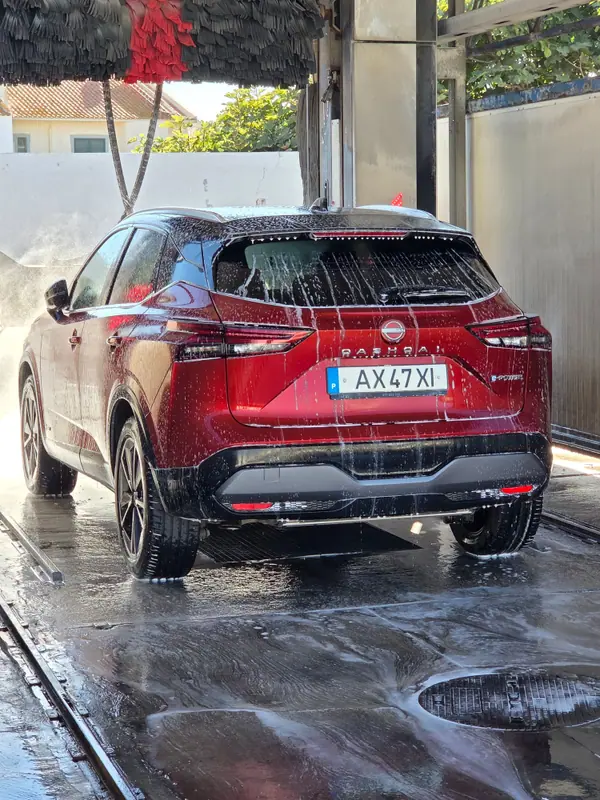
Nissan Qashqai II: Practical Family Crossover with Low Running Expenses
Sit up high. The second-generation Qashqai delivers 180 millimeters of ground clearance. That height clears high municipal curbs and handles unpaved access tracks throughout regional Portugal without scraping the underbody shield. The cabin accommodates four adults comfortably, while the square 430-liter cargo hold handles baby strollers and grocery boxes with ease. Local independent garages know every nut and bolt on this platform.
The 1.5 dCi block dominates the Portuguese fleet. Eight valves. Single camshaft. Simple. It produces 110 or 115 horsepower while keeping workshop invoices at the absolute minimum. Petrol shoppers must hunt for the 1.3 DIG-T four-cylinder. Mercedes-Benz and Renault built this direct-injection unit together. It pushes 140 horsepower. The cylinder walls use plasma-sprayed mirror-bore coating lifted straight from the GT-R assembly line to drastically cut internal piston friction. Inspect the spark plug coils.
Inspect the electronic parking brake system. The electric servo actuators bolted directly to the rear brake calipers suffer from road moisture ingress. The internal planetary gear sets corrode and seize solid. The rear brakes drag continuously against the ventilated cast-iron rotors. You smell burnt organic friction material at highway toll stops. The rear alloy wheels get boiling hot to the touch. A replacement actuator servo motor costs 160 euros per side, plus labor.
Inspect the front lower control arm rear bushings. The heavy front end destroys lower control arm rear bushings quickly on rough roads. The steering feels vague and wanders under hard braking. Replacing the control arms restores steering precision. Buy OEM parts.
Examine the 12V battery. The aggressive factory stop-start system murders standard lead-acid batteries within two years. When battery health drops below 70%, the dashboard displays erratic radar fault warnings. Install an upgraded AGM battery costing 160 euros.
A practical, family-friendly crossover built for rough roads. Touch the rear wheel hubs after a test drive to check for dragging parking brakes.
SEAT Leon III: Dynamic Chassis Response and Proven Mechanical Packaging
Strip it down. MQB floorpan identical to the Golf. Spanish engineers swapped the damper valving for a stiffer bound and rebound setup. Thicker anti-roll bars. Fast-ratio steering rack. You turn the wheel, the nose darts toward the apex instantly. Zero body roll. You get exact German suspension hardpoints wrapped in aggressive exterior lines, trading for at least 1,500 euros less than a comparable Golf badge locally.
Volkswagen powertrain catalog. The 1.6 TDI burns 4.5 liters per 100 kilometers on the A1 highway at 120 km/h. For city driving, find the 1.0 TSI. This three-cylinder petrol unit shaves weight off the front subframe. Turn-in feels drastically sharper. Both blocks bolt to MQB manual gearboxes. Five speeds or six speeds. Check the gear oil.
Check the climate control system thoroughly. Turn the cabin temperature dials to maximum heat on both sides. If the driver vents blow hot air while the passenger side vents blow lukewarm or ice-cold air, the internal heater matrix is choked with silicate sediment. Factory coolant expansion tanks contained a small silicate pouch designed to slowly release corrosion inhibitors into the G13 coolant. The inner mesh bag ruptures. Silicate beads flood the cooling system, lodging inside the micro-bore aluminum channels of the heater core. Chemical flushing rarely clears the blockage. Replacing the heater matrix core requires pulling the steering column and stripping the lower dashboard assembly. The repair bill hits 520 euros.
Examine the full-LED headlight assemblies. Outer perimeter glue seals degrade under strong sunlight. Condensation forms inside the clear polycarbonate lens after heavy rain. Moisture shorts the lower LED control driver module, triggering a headlamp error. A replacement Valeo headlamp assembly costs 680 euros.
Test the remote keyless locking functions on all four doors. The micro-switches inside the door latch actuators wear down. The car fails to deadbolt the passenger doors. A replacement door latch mechanism costs 95 euros.
Sharper dynamics and better value than its German platform sibling. Blast the heater to maximum and verify hot air flows from every vent.
Pre-Purchase Inspection and Technical Verification
Leave your emotions at home. Inspect the vehicle on a cold morning under natural daylight. Bring an OBD-II diagnostic scanner, a digital tire tread depth gauge, an LED inspection light, and a clean microfiber cloth. Never inspect a car with an engine that the seller has already brought up to operating temperature. A warm engine hides bad glow plugs, failing starter motors, cold valvetrain slap, and worn high-pressure fuel pumps. Touch the exhaust manifold shield.
Plug your scanner into the diagnostic port. Turn the ignition on. Run a global health scan across every vehicle control module. Check the emissions readiness monitors. If the catalyst, evaporative system, and oxygen sensor monitors read "Not Ready," the seller recently disconnected the battery or cleared the diagnostic trouble codes with a smartphone app to hide an active check engine light. Walk away immediately.
Check live diesel particulate filter data on TDI and dCi engines. Look at the differential pressure sensor reading at idle. It should register under 8 millibars. Anything over 25 millibars at idle indicates an exhaust system choked with soot. Check oil ash volume. Ash cannot be burned off through regeneration; it requires professional off-car ultrasonic cleaning costing 250 euros.
Check the high-voltage battery state of health on hybrid models using specialized application software. Individual cell block voltages should balance within 0.02 volts of each other under load. Large voltage deltas between cell modules indicate failing nickel-metal hydride or lithium cells. Replacing a hybrid battery module costs 1,800 euros.
Get down on your knees with the flashlight. Check the front subframe for rust scale or curb impact damage. Look at the steering rack boots. Look at the inner CV axle boots. Turn the front wheels to full lock. If grease covers the inner rim barrel, the rubber boot is torn. The constant velocity joint will grind itself to metal dust within five hundred kilometers. Run your fingernail across the outer edge of the front brake discs. If you feel a sharp metal lip exceeding two millimeters, the cast-iron rotor is worn past minimum thickness limits. It needs immediate replacement. Check tire tread wear. If the inner tread shoulder is bald while the outer edge shows four millimeters of tread, the front suspension wishbone bushings are blown or the tracking is violently out of specification. Demand an alignment printout.
Budgeting for used cars requires cold discipline. Reserve 1,000 euros in cash immediately after purchase. Drain the engine oil. Fill it with fresh synthetic lubricant matching exact factory specifications. Replace the oil filter, engine air filter, cabin pollen filter, and fuel filter. Flush the brake fluid with fresh DOT 4. This baseline service resets the mechanical maintenance clock.
Frequently Asked Questions (People Also Ask)
Is it worth buying a car under 15000 euros in Portugal?
Absolutely. The 15,000-euro bracket represents the absolute sweet spot for value in the Portuguese market. You avoid the catastrophic initial depreciation hit of buying a brand-new vehicle. You gain access to modern active safety systems like automatic emergency braking and lane departure warnings. The vehicles in this tier feature modern infotainment touchscreens with Apple CarPlay and Android Auto smartphone integration. If you choose a model with a clean service history, annual depreciation flattens to roughly five to eight percent. Preserve your capital.
Petrol, diesel, or hybrid: Which powertrain makes sense at 15000 euros?
Your annual mileage and typical driving route dictate this decision entirely. Buy a naturally aspirated full hybrid like the Yaris if you spend seventy percent of your commute trapped in urban city congestion. It returns low fuel consumption and eliminates expensive mechanical wear items. Buy a small displacement turbocharged petrol engine if you cover under 15,000 kilometers annually split between suburban commuting and weekend trips. Maintenance is cheap and simple. Buy a modern turbodiesel only if your daily commute involves long stretches of highway driving exceeding seventy kilometers round-trip. Running modern diesels on short, cold urban trips destroys the exhaust aftertreatment hardware fast. Read the owner's manual.
Dealership stand vs. private seller: Where should you buy?
Professional multi-brand dealership stands provide a mandatory 18-month statutory warranty under Portuguese consumer protection law. This legal safety net covers major mechanical failures of the engine block, cylinder head, and internal gearbox components. Dealers bake this risk coverage into their pricing, demanding a 1,500 to 2,000-euro premium over private market values. Private sellers offer significantly lower purchase prices and room to negotiate, but you buy the vehicle strictly as-is. When buying privately, take the money you save and hire a qualified mobile vehicle inspection technician to inspect the car on a workshop lift before money changes hands. Get it on a hoist.
How does annual road tax (IUC) affect the overall budget?
The Imposto Único de Circulação significantly impacts your fixed recurring annual ownership costs. For vehicles registered after July 2007, the Portuguese tax authority calculates IUC based on two factors: engine displacement in cubic centimeters and carbon dioxide emissions measured under official test cycles. Small displacement petrol and hybrid models with low CO2 ratings pay between 105 and 115 euros annually. Larger displacement diesel vehicles incur annual tax bills approaching 155 euros. Review the vehicle's official registration paper to check the exact CO2 figure before purchasing. Calculate your tax burden.
Final Verdict and Strategic Buying Counsel
At the 15,000-euro price point, digital service records, diagnostic transparency, and verified component health completely outweigh brand prestige. A meticulously maintained Renault Clio with full service history is an infinitely better purchase than a neglected Volkswagen Golf with missing maintenance stamps. Demand physical proof of servicing.
Never hand over cash without verifying the physical chassis VIN stamping against the vehicle registration documents. Match the numbers perfectly. Verify the seller's personal identification card matches the name on the title document. This prevents falling victim to stolen vehicle cloning scams or unauthorized third-party sales. Run a full background check.
Pull the engine oil dipstick on flat ground. Wipe it clean. Reinsert it fully. Pull it out again. The oil level must sit precisely at the maximum mark. Engines running low on oil suffer accelerated timing chain wear and turbocharger bearing failure. Clean oil saves engines. Buy smart.