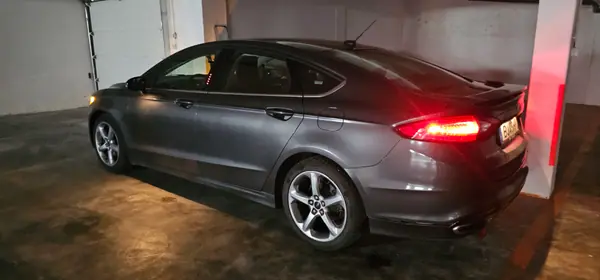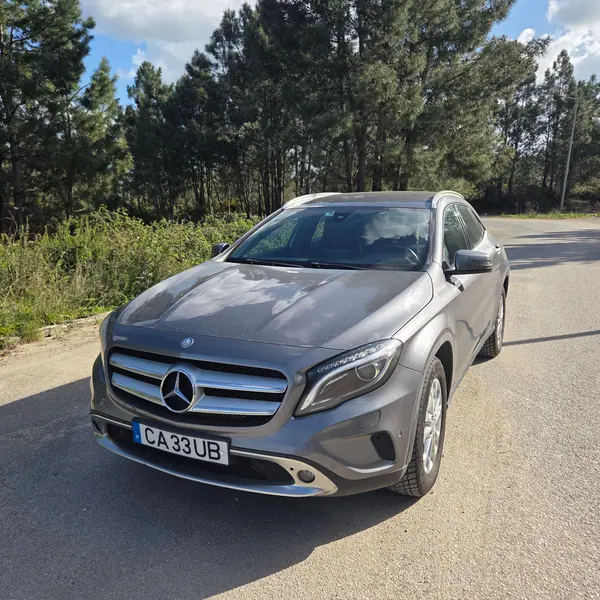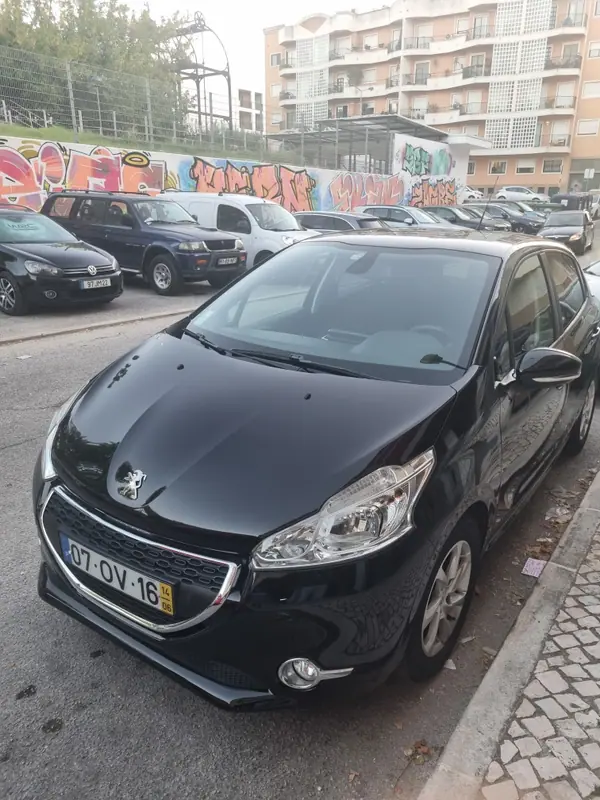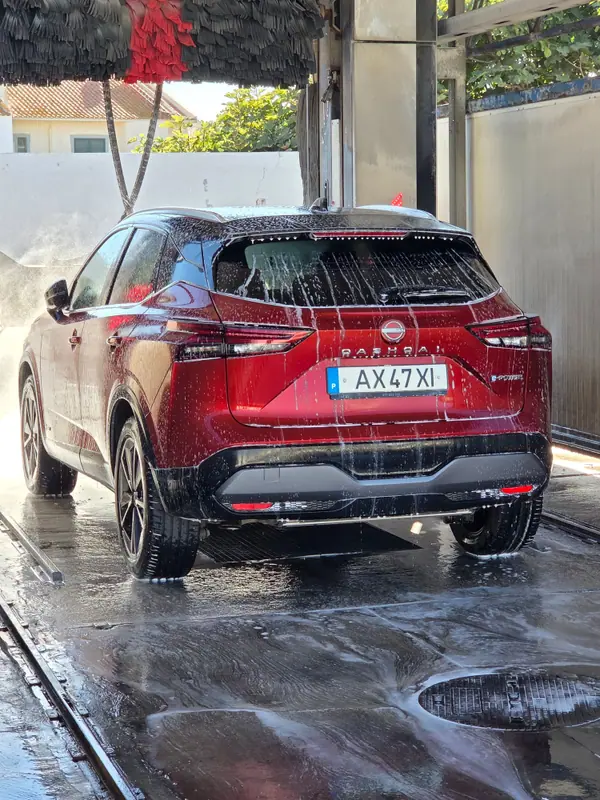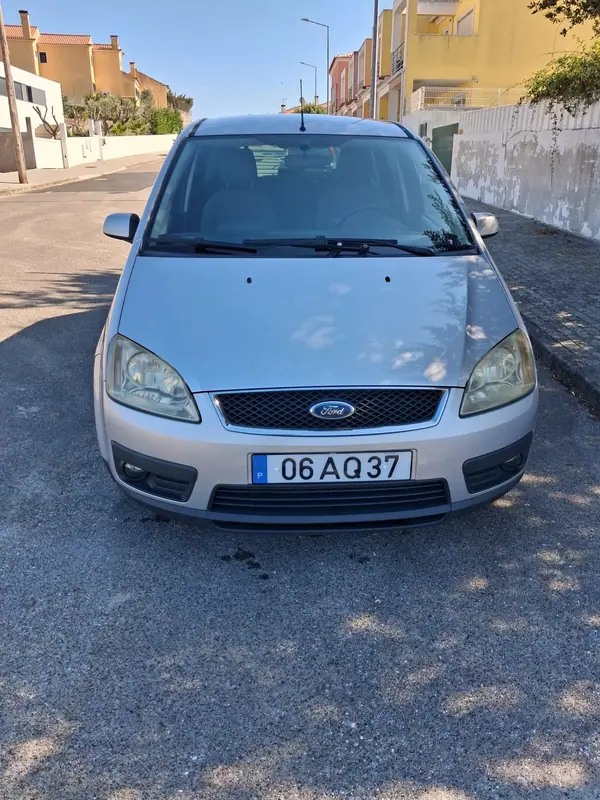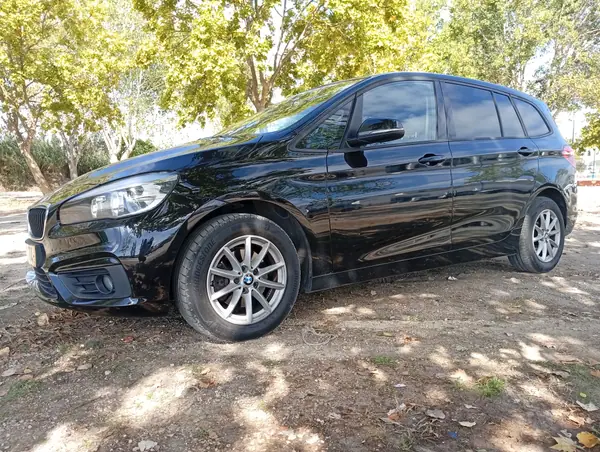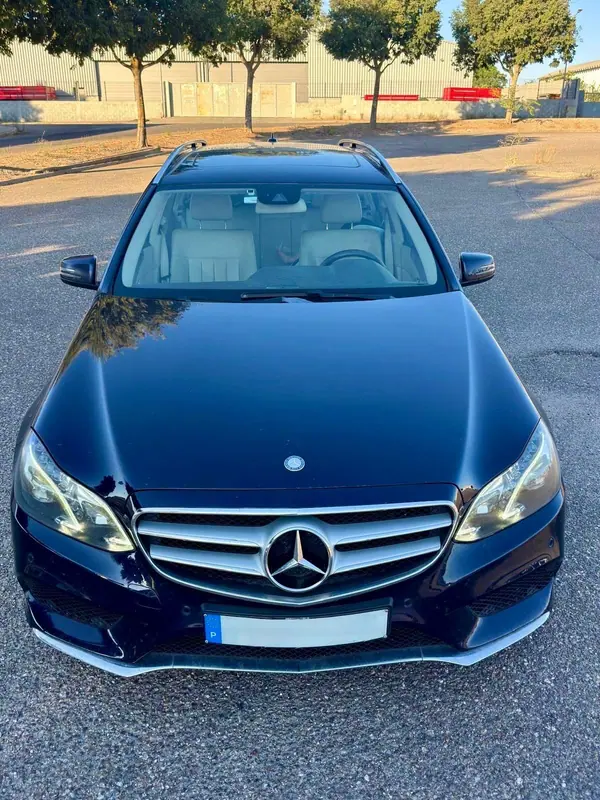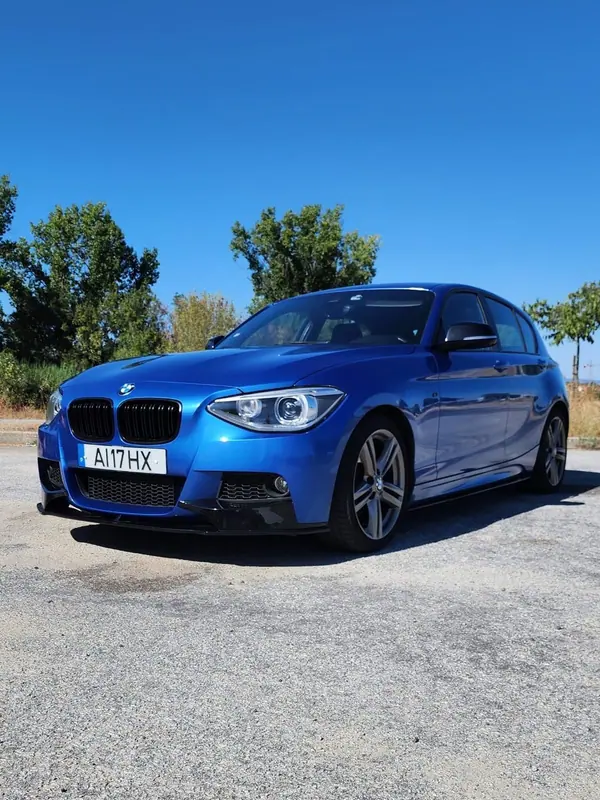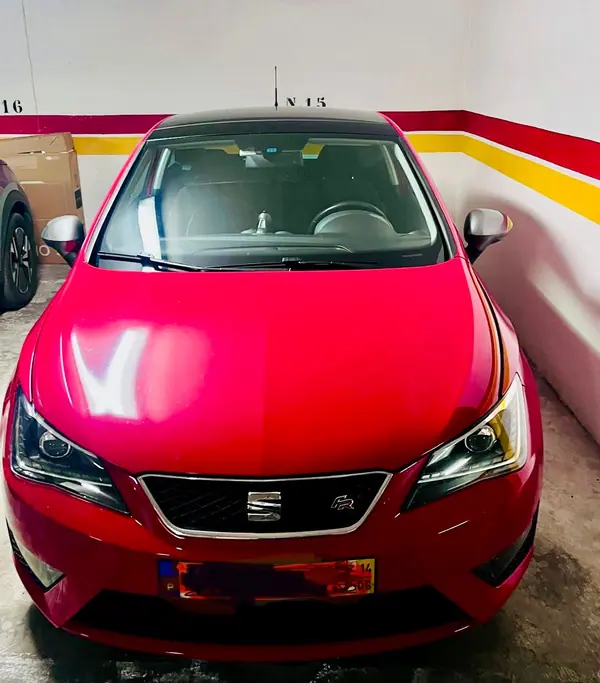
Setting a 5,000-euro budget in Portugal unlocks durable machines with clean chassis dynamics, working air conditioning, and galvanized zinc rust protection:
- Smart Fortwo (0.7 Turbo / 1.0 mhd)
- Toyota Aygo / Citroën C1 / Peugeot 107 (1.0 VVT-i)
- Peugeot 207 (1.4 HDi / 1.4 16V)
- SEAT Ibiza (1.2 12V / 1.4 TDI / 1.9 TDI)
- Volkswagen Golf IV (1.9 TDI / 1.6 16V)
Portugal's used vehicle market operates on unique economic rules. High national vehicle tax retention keeps aging fleet cars circulating on regional roads far longer than in northern Europe. That reality keeps resale prices artificially high. Faded clear coat on the roof is purely cosmetic. Sun damage means nothing. A noisy wheel bearing or a leaking head gasket destroys savings instantly.
You must verify physical mechanical integrity before handing over cash. Cold engine starts tell the brutal truth. Listen closely. Piston slap. Hydraulic lifter tick. Dual-mass flywheel rattle. All these warnings vanish once engine blocks expand from heat. You want to hear cold, un-warmed mechanical chatter. Dead cold metal.
Get under the vehicle with a bright LED torch. Check inner CV axle boots for split rubber and flung grease. Look directly at the lower control arm bushings. Perished rubber silent-blocks cause steering wander. Inspect the cooling circuit for straight tap water corrosion. Brown rust inside the plastic expansion tank means the cast-iron engine block is corroding internally. Test gearbox synchronizers under load. Match stamped maintenance book records against the digital cluster reading on AUTO.MOTO.pt.
Comparison Matrix: Reliable Models Under 5000 Euros
Smart Fortwo
- Engine: 1.0 mhd 3B21 (71 hp)
- Why Buy (Primary Strength): Unmatched parallel parking in congested city centers
- Why Avoid (Primary Weakness): Belt tensioner pivot bolt bends and snaps under load
- Typical Repair (Common Workshop Visit): Starter-generator belt tensioner bracket upgrade (180 EUR)
Toyota Aygo / Citroën C1 / Peugeot 107
- Engine: 1.0 12V 1KR-FE (68 hp)
- Why Buy (Primary Strength): Steel timing chain architecture and bulletproof block
- Why Avoid (Primary Weakness): Factory clutch friction disc diameter is undersized for hill starts
- Typical Repair (Common Workshop Visit): Three-piece clutch kit swap and release bearing replacement (220 EUR)
Peugeot 207
- Engine: 1.4 HDi DV4TD (68 hp)
- Why Buy (Primary Strength): Supple ride comfort and single-mass flywheel simplicity
- Why Avoid (Primary Weakness): Injector copper washer seal failure causes heavy carbon buildup
- Typical Repair (Common Workshop Visit): Copper washer seal replacement and injector seat recutting (140 EUR)
SEAT Ibiza
- Engine: 1.9 TDI ATD/ASZ (100/130 hp)
- Why Buy (Primary Strength): Massive low-end torque and endless cheap replacement parts
- Why Avoid (Primary Weakness): Front wishbone console rubber silent-blocks tear under braking
- Typical Repair (Common Workshop Visit): Solid Cupra rubber console bushing upgrade installation (110 EUR)
Volkswagen Golf IV
- Engine: 1.9 TDI ALH/ASZ (90/130 hp)
- Why Buy (Primary Strength): Benchmark cabin acoustics and heavy galvanized body panels
- Why Avoid (Primary Weakness): Sticky variable-geometry turbocharger vanes trigger limp mode
- Typical Repair (Common Workshop Visit): Turbocharger teardown, chemical cleaning, or replacement (350 EUR)
Navigating the 5000 Euro Secondary Market in Portugal
Taking 5,000 euros to Germany yields a clean ten-year-old hatchback. Try that in Lisbon, Porto, or Faro. You end up looking at twelve to eighteen-year-old vehicles with high mileage numbers. High national import taxes kept older automobiles running across the Iberian Peninsula for decades. Local sellers know their machines hold value. They demand high prices. High retention values.
Choose your powertrain based on your actual driving routine. Naturally aspirated petrol engines with multi-point injection suit short urban commutes. They have simple electrical systems. No turbochargers. No dual-mass flywheels. No diesel particulate filters to clog on short grocery runs. Cold morning starts do not damage them. Ignition coils and spark plugs cost pocket change. A fresh set of four Bosch spark plugs costs twenty euros.
Small-displacement turbodiesels make sense only if you cover over 15,000 highway kilometers annually. A well-maintained diesel burns nothing on long motorway transits. Neglected diesels swallow budgets alive. High-pressure radial pumps grind their internal steel cams to fine powder. This flushes microscopic metal shrapnel directly through the aluminum fuel rails. A single set of four reconditioned common-rail injectors costs 700 euros. A rattling dual-mass flywheel tears apart the transmission input shaft bearing if ignored. A replacement clutch and flywheel kit costs 500 euros in parts alone.
Knowing where to buy used cars in Portugal prevents catastrophic workshop bills. Avoid dirt roadside lots displaying hand-written cardboard signs on windshields. Unlicensed roadside flipper networks operate here. They wash engine bays with heavy industrial solvent. This hides massive valve cover oil leaks. They wipe active OBD2 fault codes using cheap diagnostic scanners minutes before buyers arrive. Focus your search entirely on verified private sellers or established trade-in rows on AUTO.MOTO.pt. Private sales let you evaluate the owner, demand physical maintenance invoices, and test the engine completely cold. Hunting for used cars under 5000 euros means prioritizing dry oil pans over flawless bumper paint.
Detailed Vehicle Audits: Top 5 Choices on AUTO.MOTO.pt
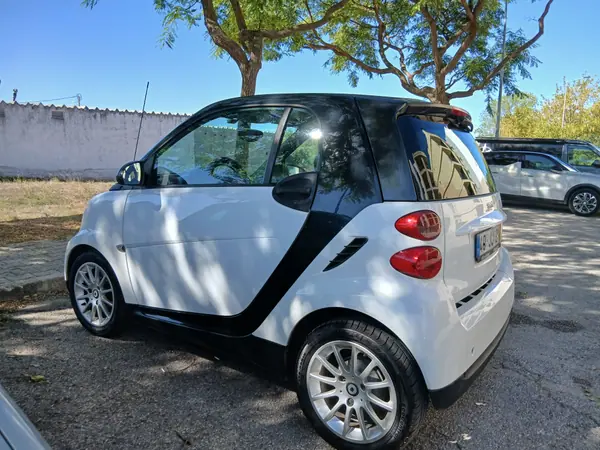
Smart Fortwo: The Ultimate Commuter for Portuguese City Centers
Finding street parking in central Lisbon, Porto, or Sintra during peak traffic hours causes endless frustration. The second-generation Smart Fortwo (W451 platform, built from 2007 to 2014) eliminates parking stress entirely. It measures exactly 2.69 meters long. You park perpendicular to the curb. Standard hatchbacks skip these gaps. The body panels consist of flexible polycarbonate skins mounted directly over a high-strength steel Tridion safety cell. Scrapes from tight parking spots simply will not rust. Plastic flexes.
Select the engine with extreme prejudice. Avoid the older 450 generation 0.7-liter Suprex Turbo engine. That specific engine suffers from carbon-locked oil scraper rings. Heavy oil consumption follows. Exhaust valves burn out past 100,000 kilometers. Low crankcase oil levels starve the timing chain hydraulic tensioner. The chain slaps hard. The plastic chain guides shatter into the oil pan. Rebuilding a 0.7 unit costs 900 euros in parts and labor.
Focus heavily on the 451 generation. Find the 1.0-liter naturally aspirated three-cylinder engine engineered by Mitsubishi (code 3B21). It generates 71 horsepower. It uses a highly durable steel timing chain. Cast-iron cylinder liners absorb abuse.
Inspect the mhd drive system on Micro Hybrid Drive models immediately. The start-stop system uses a combined starter-generator driven by a heavy, wide rubber belt. The pivot bolt on the tensioner bracket bends under mechanical load. This throws the belt completely off the pulleys. Water pump rotation stops instantly. The engine overheats and warps the aluminum cylinder head within two minutes. Check for the upgraded, reinforced factory tensioner bracket modification.
The 0.8-liter CDI three-cylinder turbodiesel offers another option for long-distance commuters. It produces 45 to 54 horsepower. It burns just 3.4 liters of diesel per 100 kilometers. The cast-iron engine block survives 300,000 kilometers easily. Unkillable block.
However, all Fortwo models use a 5-speed automated manual transmission. An electric clutch actuator motor operates the clutch disc. The actuator rod binds from road grit. This causes harsh, jerky gear selection. Three flashing horizontal lines appear on the cluster display. Re-greasing the rod or replacing the entire actuator costs 200 euros.
An unbeatable urban parking tool powered by a solid Mitsubishi engine. Verify the upgraded start-stop belt tensioner bracket to prevent sudden engine overheating.
Toyota Aygo / Citroën C1 / Peugeot 107: Bulletproof Trio Simplicity
Co-developed under the B-Zero project between Toyota and PSA Peugeot Citroën, this trio represents absolute mechanical minimalism. All three cars share identical steel floor pans, glass, suspension arms, steering racks, and braking systems. They differ purely in front plastic bumpers, headlight shapes, and rear badge trim. Identical bones.
Under the hood sits the 1.0-liter 12-valve 3-cylinder 1KR-FE engine engineered entirely by Toyota's Daihatsu division. This all-aluminum block weighs exactly 67 kilograms. It produces 68 horsepower and 93 Nm of torque. It features variable valve timing and a steel timing chain. Fuel consumption averages 4.6 liters per 100 kilometers. The engine shakes slightly at idle due to its odd cylinder count. Internal mechanical failures remain extremely rare. Solid blocks.
The primary mechanical weak point is the undersized factory clutch assembly. Toyota installed a tiny 190mm clutch disc to save weight and reduce pedal spring effort. Steep hills in Portuguese towns destroy organic friction linings. Heat glazing ruins the bite point. The clutch starts slipping noticeably around 80,000 kilometers. A replacement Valeo or Sachs clutch kit costs 120 euros in parts. Add 100 euros for labor.
Check the trunk floor for water pooling. Rubber seals behind the rear taillight clusters dry out under the Iberian sun. Rainwater leaks down the inner C-pillars directly into the spare wheel well. Apply fresh butyl tape. This fixes the leak for 15 euros.
Inspect the water pump pulley for pink coolant crust. Original factory water pumps leak past the internal shaft seal around 120,000 kilometers. A new Aisin water pump costs 45 euros.
Exhaust manifolds develop hairline rust cracks near the oxygen sensor boss. Listen for a sharp ticking sound on cold start. A replacement aftermarket manifold with an integrated catalytic converter costs 180 euros.
Lightweight, low-cost Japanese mechanical engineering that handles daily abuse easily. Budget for an upgraded clutch kit if buying a car driven in hilly terrain.
Peugeot 207: Modern Comfort and Proven Small HDi Power
Replacing the 206 in 2006, the Peugeot 207 delivered a massive jump in chassis stiffness, interior noise isolation, and crash safety structures. It weighs nearly 200 kilograms more than the older 206. It feels planted and heavy at 120 km/h on regional highways. The dashboard materials use thick foams. Thick door seals block wind whistle. The front seats support your lumbar during long drives. Heavy metal.
The 1.4-liter HDi turbodiesel powered by the DV4 engine (code DV4TD / 8HZ) serves as the top choice for cheap highway travel. This 1398cc eight-valve unit produces 68 horsepower and 160 Nm of torque at 1750 RPM. It uses a simple fixed-geometry turbocharger. A single-mass flywheel eliminates expensive dual-mass vibration failures. It burns just 4.2 liters per 100 kilometers on motorway trips. Bosch injection.
Check the fuel injector copper sealing washers on the 1.4 HDi obsessively. Combustion pressure erodes the copper washer at the base of the injector bore over time. Hot gases blow past the seal. This melts the plastic valve cover. It creates a thick, rock-hard black carbon buildup around the injectors known as black death. Listen for a rhythmic chuffing noise from the cylinder head at idle. Smell raw diesel inside the cabin. Fixing this requires pulling the injectors, scraping carbon deposits, recutting the aluminum seats, and installing new copper washers. Parts cost 15 euros. Labor runs up to 120 euros if injectors seize in the head.
Select the 1.4-liter 16-valve petrol engine for short town drives instead of the diesel. The older ET3J4 unit delivers 88 horsepower with basic maintenance. Avoid the newer EP3 VTi petrol engines developed jointly with BMW. They suffer from rapid timing chain stretch, high oil consumption, and leaking plastic thermostat housings.
Inspect front suspension drop links and lower arm bushings. The heavy 207 chassis loads the front suspension joints aggressively over cobblestones. Metallic clunks result. A pair of replacement drop links costs 30 euros.
ABS wheel speed sensors fail due to brake dust and road grime accumulation. An amber ABS warning light illuminates on the dashboard. Diagnostic code readers pull C1320 or C1330 fault codes. A replacement Bosch ABS wheel speed sensor costs twenty euros.
A refined subcompact offering outstanding motorway fuel economy with the 1.4 HDi engine. Listen closely for hissing injector copper washers on cold start.
SEAT Ibiza 6L / 6J: Youthful Styling and High Mechanical Availability
The SEAT Ibiza remains a dominant force on the Portuguese secondary market. Built on Volkswagen Group platforms (PQ24 for 6L, PQ25 for 6J), it combines German mechanical layouts with sharp Spanish body lines. Spare parts exist in every local motor factor across Portugal. Every independent shop knows how to strip this chassis. High parts availability.
Engine options cover every specific driving need. The 1.2-liter 12-valve 3-cylinder petrol engine (AZQ/BME codes, 64 to 70 hp) serves as a basic city commuter. Early timing chain tensioners require checking. The chain stretches. The 1.4-liter 16-valve petrol (BBY/BKY, 75 to 86 hp) runs smoother on four cylinders.
Volkswagen turbodiesels drive peak market demand. The 1.4 TDI 3-cylinder unit delivers incredible 4.3 L/100 km fuel economy. It vibrates noticeably at idle due to its odd cylinder imbalance. Hydraulic motor mounts tear. A replacement Lemförder hydro-mount costs 60 euros.
The 4-cylinder 1.9 TDI engine (100 hp ATD/AXR or 130 hp ASZ/BLT) on the 6L platform offers massive highway performance. Utilizing high-pressure electronic unit injectors, it delivers brutal low-end torque. It runs past 400,000 kilometers with basic synthetic oil changes. Later 6J models equipped with 1.6 TDI common rail engines meet Euro 4 emissions standards easily. They provide smooth power. They also feature diesel particulate filters that clog completely during short city runs. DPF regeneration fails.
Inspect the front lower suspension control arm bushings (console silent-blocks). The original Volkswagen design used a two-webbed rubber bushing inside an aluminum console housing. Under hard braking, the rubber webs tear. This causes imprecise steering, wandering on the highway, and rapid tire wear. Installing solid rubber bushings from the Ibiza Cupra costs 40 euros in parts and fixes the issue permanently.
Test the electric window regulators repeatedly. Plastic cable guide clips snap over time. The heavy glass drops straight into the hollow door shell. A window repair cable kit costs 20 euros.
Door lock actuators fail internally. Micro-switches wear out. The car fails to recognize opened doors. The cabin dome light stays dark. Replacement door latch assemblies cost 35 euros.
A sporty, practical hatchback backed by endless parts availability across Portugal. Inspect front suspension console bushings and test electric window regulators.
Volkswagen Golf IV: The Benchmark for Build Quality and Long-Haul Diesel Power
The fourth-generation Volkswagen Golf (Typ 1J) set a cabin quality benchmark. Featuring heavy galvanized steel body panels, thick door glass, laser-welded roof seams, and soft-touch interior trim. A clean Golf IV feels like a concrete bunker. Drivers commuting long distances using Via Verde toll tags benefit from high-speed stability. Low cabin noise. Heavy doors shut with a deep thud.
The 8-valve 1.9 TDI engine powers the most desirable Golf IV models. Available in distributor-pump configurations (ALH code, 90 hp) or advanced unit-injector Pumpe Düse configurations (ATD 100 hp, ASZ 130 hp, ARL 150 hp). This cast-iron engine family is famous for extreme mechanical longevity. The 90 hp ALH engine uses a single-mass flywheel and simple mechanical two-stage injectors. Bulletproof design. The 130 hp ASZ uses a 6-speed manual transmission. It cruises effortlessly at low RPM.
Variable-geometry turbochargers on 110, 100, 130, and 150 hp models develop sticky vanes. Gentle city driving causes carbon soot to lock the internal exhaust nozzle vanes. Accelerating hard on the highway causes boost pressure spikes. The ECU detects overboost. It triggers safety limp mode and cuts fuel instantly. Resolving this requires disassembling the turbocharger and chemically cleaning the vane mechanism. Installing a reconditioned Garrett turbocharger costs 350 euros.
Listen for a metallic clatter at idle. Press the clutch pedal to the floor. The noise vanishes. This indicates a worn dual-mass flywheel losing internal spring tension. Replacing the dual-mass flywheel and clutch friction kit costs 450 euros in parts.
On 1.6-liter 16-valve petrol engines (AUS/AZD/BCB), check for plastic thermostat housing cracks. They leak pink G12 coolant directly over the transmission casing. A replacement thermostat housing costs 35 euros.
Soft-touch rubber coating on interior door handles peels away. It exposes shiny bare plastic. Scratched handles look terrible. Replacement interior door handle covers cost fifteen euros.
A solid hatchback built for high-mileage highway driving. Check for sticky turbocharger vanes and listen for dual-mass flywheel noise at idle.
Pre-Purchase Inspection and Mechanical Verification
Conduct every physical car evaluation in daylight on flat ground. Bring a flashlight, an OBD2 diagnostic code reader, a digital multimeter, and nitrile gloves. Never evaluate a vehicle with an engine already warmed up by the seller. Demand a cold engine start. Cold starts reveal worn valvetrain lifters, bad glow plugs, or smoking turbocharger oil seals instantly. Raw cold data.
Unscrew the oil filler cap with the engine cold. Check the underside. A thick yellow paste means oil and coolant are mixing. Blown head gasket. Cracked oil cooler. Inspect the coolant expansion tank. Fluid must be clean and bright. Dark, muddy coolant indicates the seller used tap water. Tap water causes internal engine rust, clogged radiator cores, and heater matrix failures. Flush the system immediately.
Test the driveline on the open road. Accelerate hard in third gear from low speed. Test clutch grip. If engine RPM climbs fast without road speed increasing, the clutch friction lining is burned out. Listen for humming wheel bearings when turning gently side to side. Check tire sidewalls for the four-digit DOT manufacturing date code. Tires older than six years harden under heat. Hard rubber loses grip on wet roundabouts. Dangerous handling.
Match the 17-character Vehicle Identification Number stamped into the firewall with the builder's plaque and official registration papers. Mismatched numbers mean hidden collision repairs or stolen vehicles. Buying used cars responsibly requires maintaining a strict financial safety margin. When shopping for used cars under 5000 euros, keep 600 euros in reserve for an immediate oil flush, timing belt kit swap, fresh air filters, and new brake pads.
Frequently Asked Questions (People Also Ask)
Is it worth buying a car under 5000 euros in Portugal?
Yes. The 5,000-euro price bracket represents a solid ownership tier in Portugal. Vehicles in this range have completely absorbed their main depreciation curves. Buy a proven model like a Golf IV 1.9 TDI or Toyota Aygo 1.0. Maintain it properly. Keep physical service invoices. Its resale value stays flat. You can drive the car for three years and sell it on AUTO.MOTO.pt for exactly what you paid. Zero financial depreciation.
Petrol or diesel: Which powertrain makes sense at 5000 euros?
Your choice depends strictly on your annual mileage and primary driving route. Select a naturally aspirated petrol engine like the Toyota 1.0 1KR-FE or VW 1.4 16V if you cover under 10,000 kilometers annually in town traffic. Petrol engines warm up quickly. They lack expensive diesel components that clog during short drives. Choose a small-displacement turbodiesel like the Peugeot 1.4 HDi or VW 1.9 TDI if you commute over 15,000 highway kilometers yearly. Diesel torque wins long trips.
Dealership stand vs. private seller: Where should you buy?
Both options have clear financial trade-offs. Dealership stands provide a commercial warranty under Portuguese consumer protection laws. They add 1,000 to 1,500 euros to the asking price to cover this risk. Private sellers offer much lower prices and direct contact with the person who actually maintained the car. When buying privately from listings of used cars, use your cash savings to hire an independent workshop mechanic for a pre-purchase inspection on a vehicle lift. Better data.
How does annual road tax (IUC) affect the overall budget?
Portugal uses a split road tax system based exactly on the initial registration date. Vehicles registered before July 2007 pay tax based strictly on engine displacement. This keeps annual costs exceptionally low for small petrol or diesel engines. Typical bills hit 35 to 45 euros per year. Vehicles registered after July 2007 fall under the modern tax structure incorporating CO2 emissions. Post-July 2007 diesels incur massive annual tax penalties. Pre-July 2007 registrations remain far cheaper long-term.
Final Verdict and Strategic Buying Counsel
Mechanical health, documented oil changes, dry engine casings, and functional electronics dictate vehicle value. Shiny paint hides mechanical neglect. Low odometer numbers mean nothing without service invoices.
Verify that the seller's identity card matches the official vehicle registration documents before handing over money or signing transfer papers. Complete the ownership transfer immediately online or inside a registry office. This prevents inheriting unpaid electronic highway toll fines from previous owners. Register the chassis fast.
Check your engine oil level on flat ground every two weeks. Small engines operating in hot summer weather naturally consume small amounts of oil over time. Keeping the oil level at the maximum mark protects timing chains, hydraulic lifters, and turbocharger bearings from catastrophic oil starvation.