Introduction: The Engineering Behind Non-Stop Tolling
Forget physical toll booths. If you believe stopping your vehicle to hand a plastic card to a cashier or feed coins into a mechanical hopper represents modern highway infrastructure, you are living in the previous century. The Portuguese automotive landscape operates on high-velocity Dedicated Short-Range Communications (DSRC) radio technology that eliminates physical friction entirely from the road network. Understanding who invented Via Verde requires looking back to 1991, when researchers at the University of Aveiro partnered with highway concessionaire Brisa to design the world's first fully integrated, non-stop electronic toll collection system. That engineering leap transformed the classic toll plaza into a high-speed telemetry zone where kinetic energy is preserved and administrative bottlenecks vanish.
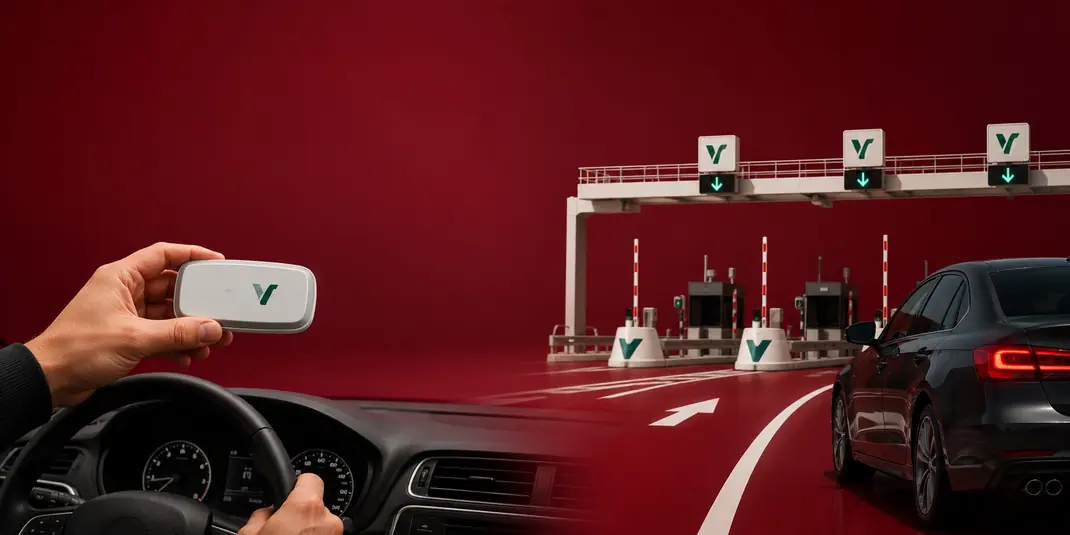
Look at the raw radio frequency physics dictating how Via Verde works when your tires hit the asphalt. When your vehicle approaches an electronic toll gantry at 120 kilometers per hour, an overhead directional antenna emits an encrypted 5.8 GHz radio frequency interrogation pulse toward your windshield. Your on-board transponder instantly wakes from its sleep state, modulates the incoming signal, and transmits your unique hexadecimal identifier code back to the gantry receiver in less than 50 milliseconds. Total precision. Simultaneously, high-speed optical infrared cameras mounted on the gantry structure photograph your front and rear license plates, while in-ground piezoelectric sensors and laser curtains scan the physical profile of your vehicle to determine axle count and volumetric classification. This synchronized handshake between radio frequencies, optical character recognition, and mechanical sensors allows the central processing servers to validate your account and lift the physical barrier arm before you even touch the brake pedal. Zero delay. You simply maintain highway speed while the financial transaction settles silently in the background, making your Via Verde transponder the most critical efficiency tool bolted to your vehicle.
Acquisition, Activation, and Hardware Placement
Figuring out how to sign up for Via Verde requires choosing between traditional purchase options and modern subscription management tiers governed by your annual highway mileage. You can execute this contract digitally through the official website or over the counter at any CTT (Correios de Portugal) postal branch, where you link your Portuguese Multibanco account to an automated Direct Debit Authorization (SEPA). When asking where can i buy a Via Verde identifier, you must decide whether to pick up physical hardware at an official retail store, order it dispatched via registered courier to your home address, or grab a pre-packaged box at an accredited highway service station.
Analyzing how much does Via Verde cost reveals a clear structural division between the classic "Livre" tier—where you purchase the physical transponder outright for approximately €23.50 with zero recurring monthly administration fees—and the "Mobilidade" subscription tiers that charge a modest monthly rental fee of €1.40 only during the months you actively trigger the device. Once you hold the plastic unit in your hand, understanding how to activate Via Verde requires logging into your digital client portal, inputting the 11-digit serial number printed on the barcode sticker, and assigning your vehicle's exact license plate and registration class to the hardware profile.
Knowing where to place Via Verde is a matter of strict electromagnetic physics that can completely disable the system if ignored. Modern automobiles utilize athermic windshields laminated with microscopic silver-oxide infrared-reflective coatings designed to reject solar heat radiation and keep cabin temperatures manageable. That same metallic layer acts as a solid Faraday cage, reflecting 5.8 GHz DSRC radio waves and blinding overhead gantry antennas. Engineers design a specific uncoated window—a dotted black matrix area located immediately behind the rearview mirror assembly—to permit radio frequency penetration. If you mount the adhesive bracket of your transponder outside this dotted zone on a modern crossover like the Citroën C5 Aircross 2023 1.2 PureTech C-Series, the metallic windshield coating absorbs the gantry interrogation signal entirely. The barrier arm stays down. You hit the brakes in panic while the gantry siren blares. Mount the hardware strictly inside the dotted black matrix using the factory-supplied 3M acrylic adhesive strip. When the internal sealed lithium battery eventually drops below its required operational voltage after five to seven years of service, stop searching for where to replace Via Verde identifier battery because the unit is a factory-sealed, tamper-proof electronic assembly. You must log into your account portal and request a complete hardware replacement, sending the exhausted transponder back for industrial recycling.
Secondary Market Rules: Transponder Swapping and Plate Transfers
Navigating the secondary automotive marketplace on AUTO.MOTO.pt requires strict adherence to administrative registration rules whenever you acquire or dispose of a vehicle. Buyers who purchase used cars often make the catastrophic mistake of peeling the transponder off their old trade-in vehicle and sticking it directly onto the windshield of their newly acquired secondhand hatchback without updating the central database. Forget swapping tags between cars informally. Because the automated highway gantries cross-reference the transponder's serial number against optical license plate cameras and physical vehicle classification lasers in real time, running an unassigned tag triggers immediate administrative exceptions. If you drive a newly purchased Peugeot 208 2018 Style through a toll plaza using a transponder still legally mapped to a larger SUV or a different license plate, the system flags a Class Mismatch error, bills your account at the maximum statutory rate for that highway corridor, and issues a non-compliance warning to your legal address.
Understanding the legality of using Via Verde in another vehicle requires recognizing that the identifier is strictly bound to a single alphanumeric license plate in the concessionaire's database at any given second. Learning how to transfer Via Verde to another vehicle or how to change via verde license plate requires accessing your online customer dashboard or mobile application, navigating to the "Meus Veículos" management tab, and selecting the option to replace the active registration number. You must input the new alphanumeric plate, select the correct statutory vehicle class (Class 1 for passenger cars with a front-axle height under 1.10 meters), and confirm the modification with your digital credentials.
When planning an immediate highway road trip after a purchase, asking how long does it take to change Via Verde license plate is critical for avoiding gantry fines. The database update is not instantaneous across every isolated toll plaza in the country. While the central server processes your modification within 15 minutes, pushing that updated alphanumeric whitelist out to remote highway gantry controllers and independent concessionaires requires up to 24 hours to stabilize completely. Never drive through an electronic toll lane with a newly updated plate until a full 24-hour cycle has elapsed, or you risk triggering manual camera enforcement protocols.
Urban Mobility and Cross-Border Interoperability
The utility of your electronic identifier extends far beyond the traditional barrier-controlled autoestradas, operating as a universal digital wallet across dense urban infrastructure. Figuring out how Via Verde parking works involves looking at underground municipal garages, surface lots, and commercial shopping centers equipped with dedicated short-range readers bolted above the entry and exit barriers. When you drive a compact city car like a MINI 2020 One toward an underground parking barrier, the overhead antenna reads your transponder, logs your entry timestamp, and raises the gate without forcing you to roll down your window or reach for a paper ticket. When you exit, the system calculates your exact duration down to the minute, opens the exit barrier automatically, and debits the parking fee directly from your linked Multibanco account. This frictionless payment ecosystem also covers participating Galp fuel stations, McDonald's drive-through lanes, and the Transtejo river ferries, turning your windshield tag into a comprehensive urban mobility tool.
This automated convenience is particularly vital when managing complex travel logistics around major transport hubs, such as figuring out where to leave the car at Lisbon airport without suffering through long queues at automated ticket kiosks after a grueling international flight. The electronic tag grants you immediate, ticketless access to the short-term departures drop-off zones and long-term perimeter parking structures, automatically handling the billing so you can focus entirely on your terminal transfer.
Beyond domestic urban centers, your Portuguese transponder offers seamless international interoperability across the Iberian Peninsula. When drivers ask about Via Verde in Spain or how to handle spanish tolls Via Verde, the answer lies in bilateral agreements between Portuguese concessionaires and Spanish VIA-T network operators. Your standard Portuguese identifier is natively compatible with Spanish electronic toll plazas, which are visibly signposted with the "VIA-T" or "Telepeaje" emblem across Catalonia, Madrid, Andalusia, and the Basque Country. As you approach a Spanish toll barrier, maintain a speed of 30 kilometers per hour; the Spanish gantry antenna interrogates your Portuguese DSRC tag using the identical 5.8 GHz European standard, beeps in confirmation, and lifts the gate. The transaction is converted from the Spanish concessionaire's tariff and debited directly from your domestic Portuguese bank account without requiring secondary registration or supplemental hardware.
Gantry Failures, Unpaid Tolls, and Legal Resolution
Mechanical failures, dead lithium batteries, and momentary driver distractions inevitably occur, forcing you to navigate the strict administrative machinery of Portuguese toll enforcement. If you accidentally entered an electronic toll lane and are wondering about passed through Via Verde without via verde what to do, panic is unnecessary, but immediate administrative discipline is mandatory. When you pass a physical toll plaza barrier without a valid tag—or when you drive under an open-road overhead gantry on former SCUT (Sem Custos para o Utilizador) motorways like the A22 Algarve or A28 North without an identifier—the optical infrared cameras capture high-resolution images of your license plate. The system does not immediately issue a traffic fine. Instead, Portuguese law provides a mandatory administrative grace period where the toll debt is transferred to the national postal network for manual settlement.
Understanding how to pay overdue Via Verde requires tracking the statutory payment clock with absolute precision. You cannot pay a missed electronic toll immediately on the day of the infraction; the highway concessionaire's database requires 48 hours to process the gantry camera images and push the billing record to the CTT (Correios de Portugal) public portal. Once that 48-hour processing window closes, you have exactly 15 business days to log onto the CTT online toll payment portal, input your vehicle's license plate number, and generate a Multibanco payment reference or pay directly via MB WAY.
Do not miss this 15-day window. If you ignore the CTT payment timeframe, the unpaid toll debt is legally transferred from the private highway concessionaire to the Autoridade Tributária e Aduaneira (AT) for forced fiscal execution. Once the AT opens a tax enforcement file against your Tax Identification Number (NIF), the original €2.50 toll fee is immediately multiplied by statutory administrative fines, legal interest, and mandatory tax court costs, routinely transforming a minor highway charge into a non-negotiable €80 tax execution. Pay the CTT portal within the 15-day grace window to extinguish the debt completely.
Contract Cancellation, Device Returns, and Marketplace Transition
Selling a vehicle on the secondary market requires executing a clean administrative divorce between your bank account, your transponder hardware, and the vehicle's license plate. When disposing of used cars, leaving an active electronic identifier linked to a sold chassis—or forgetting to terminate your rental contract—exposes you to endless parasitic bank debits. Learning how to cancel Via Verde requires logging into your online customer portal or visiting an official retail branch to formally request contract termination before you hand the vehicle keys to the new owner. Simply removing the transponder from the windshield is legally insufficient; as long as your license plate remains active on the account whitelist, any automated gantry camera reading that alphanumeric plate can still bill your linked bank account for the new owner's highway trips.
The physical decommissioning workflow requires you to understand how to return Via Verde identifier correctly to avoid continuing hardware rental charges. If you operate under the "Mobilidade" subscription model where the transponder is leased from the concessionaire, you must return the physical plastic unit within 30 days of canceling your contract. You can surrender the identifier in person at an official store, drop it off at an authorized CTT post office, or ship it via registered mail (Correio Registado com Aviso de Receção) to the company's central logistics headquarters in Oeiras. Retain your postal tracking receipt as absolute proof of return. If you fail to surrender a rented identifier within the statutory 30-day window, the concessionaire will issue an automated debit against your bank account for the full replacement cost of the hardware, charging you up to €35 for an unreturned device. For drivers who own their transponder outright under the classic "Livre" tier, physical return is unnecessary; you simply deactivate the serial number in your digital dashboard to permanently sever the identifier from your financial profile.
Conclusion: Final Operational Verdict
Your electronic toll transponder is a legally binding financial instrument that communicates directly with your Multibanco account at 120 kilometers per hour. Because the entire infrastructure relies on automated Direct Debit Authorizations, your absolute final responsibility is to monitor your bank account for sufficient liquidity whenever you travel across the highway network. Never allow a direct debit transaction to bounce. If your bank rejects a toll debit charge due to insufficient funds or an expired debit card, the concessionaire's automated billing server immediately blacklists your transponder serial number across every gantry in Portugal. The very next time you approach a barrier-controlled toll plaza, the gate will stay down, the traffic siren will activate, and you will be forced to wait for an operator while blocking the high-speed lane. Keep your SEPA authorization active, ensure your windshield placement respects athermic coatings, and your highway transit will remain permanently frictionless.