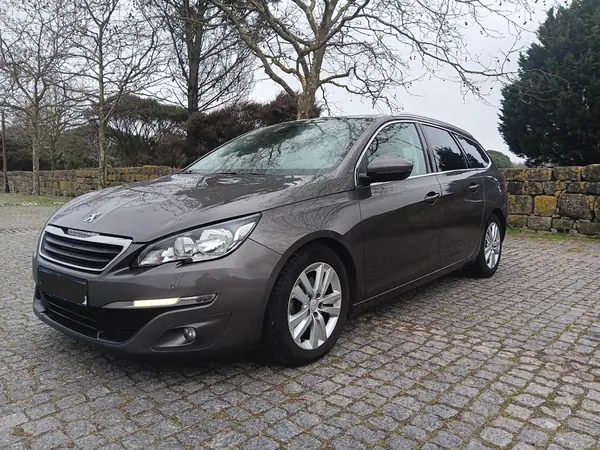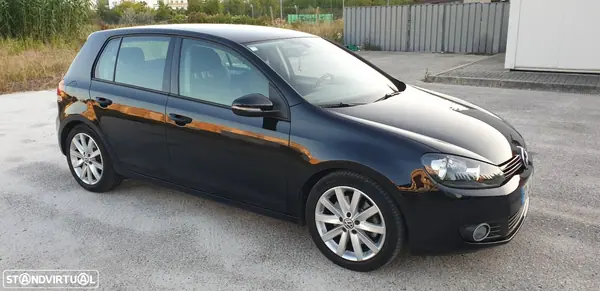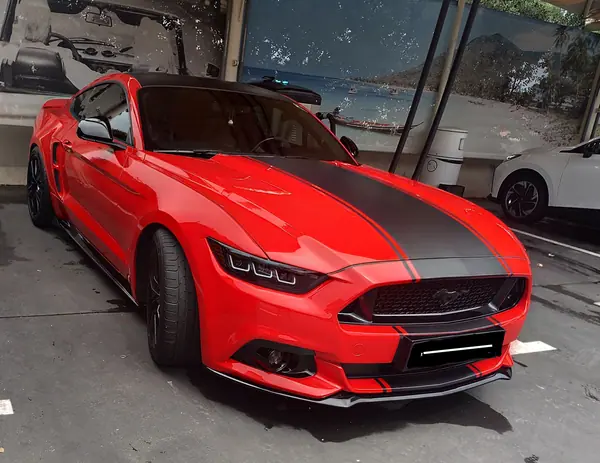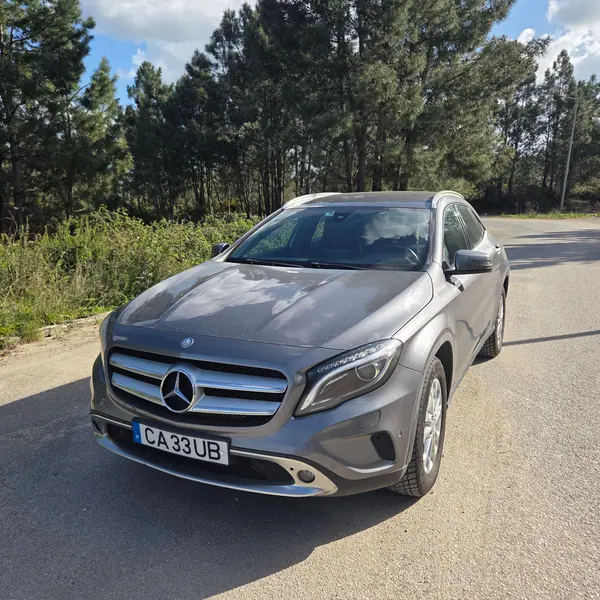

Quick answer: to work out Portugal's vehicle tax (ISV) in 2026 you need four facts about the car: engine size, CO₂ emissions (and whether they are WLTP or NEDC), fuel type and, for an imported used car, the date of first registration. With those, the AUTO.MOTO.pt ISV simulator or the Customs Portal simulator give you an estimate in a few minutes.
The result is always an estimate. What counts is the assessment the Tax Authority (AT) issues after you file the customs vehicle declaration (DAV). Even so, running a simulation before you pay a deposit is the easiest way to avoid a surprise of hundreds or thousands of euros.
Where to run an ISV simulation
There are two free options, with no sign-up:
- The Tax Authority simulator: the official AT tool on the Customs Portal. It is the reference, because it follows the rules the AT itself applies.
- The AUTO.MOTO.pt simulator: uses the tables in force in 2026 and breaks the tax down by component: engine size, environmental, age reduction and the diesel surcharge. It helps you see where every euro comes from.
If the two give different results, check what you entered. Most of the time the difference lies in the CO₂ value or the test cycle chosen.
What data you need and where to find it
Almost everything is on the foreign registration certificate, which uses the same field codes across the European Union, and on the certificate of conformity (COC):
- Engine size in cm³: field P.1 of the registration certificate.
- Fuel: field P.3.
- CO₂ emissions in g/km: field V.7 or the COC. Check whether the value is WLTP or NEDC.
- Date of first registration: field B. It is the first registration in any country, not the purchase date.
- Particulates (diesel only): the value shown on the COC.
- Vehicle type: passenger car, commercial vehicle, motorhome or motorcycle. It changes the table used.
Don't guess. If the advert and the COC show different CO₂ figures, the type-approval value in the documents is the one that counts.
The ISV simulator step by step
- Choose the vehicle type and whether it is new or an imported used vehicle.
- Enter the fuel and the engine size.
- Choose the test cycle (WLTP for most cars approved since 2018–2020, NEDC for older ones) and enter the CO₂.
- For a used car, enter the date of first registration so the age reduction is applied.
- For a diesel, answer the particulates question.
- Look at the total and, above all, the breakdown: that is where you see whether age or CO₂ is doing the damage.
A real example: the same car, new and seven years old
A petrol car with a 1598 cm³ engine and 139 g of CO₂/km (WLTP), run through our simulator with the 2026 tables:
- Engine-size component: €2,769.90.
- Environmental component: €124.09.
- ISV when new: €2,893.99.
- The same car imported at just over seven years old: the 65% reduction brings the tax down to about €1,013.
The gap shows why the date of first registration matters as much as the engine.
How age and CO₂ change the bill
Since 2025 the age reduction applies to both components of the tax, not just the engine-size one. Table D of the ISV Code runs from 10% (up to one year) to 80% (over ten years), with intermediate bands of 20%, 28%, 35%, 43%, 52%, 60%, 65%, 70% and 75%.
Age is counted from the first registration to the end of the deadline for filing the DAV, not to the day you actually file it. Delaying the paperwork does not increase the reduction.
CO₂ drives the environmental component: two cars with the same engine can pay very different amounts. We cover this in detail in our article on ISV on imported used cars in 2026.
Electric cars, hybrids and plug-ins in 2026
- Electric cars: are not subject to ISV.
- Plug-in hybrids: pay 25% of the tax if they have at least 50 km of electric range and emit less than 50 g of CO₂/km. For cars approved under the Euro 6e-bis standard the limit rises to 80 g/km: this was the main ISV change in the 2026 State Budget.
- Conventional hybrids: the reduced rate requires the same range and CO₂ conditions, which a hybrid without a plug cannot meet. In practice they pay the full ISV, like a combustion car.
Always check the type approval of the specific car: within the same model, different versions can be treated differently.
Motorcycles, commercial vehicles and motorhomes
The logic changes with the category. Motorcycles pay a fixed amount per engine-size band. Light commercial vehicles use an engine-size-only table and pay a percentage that depends on the body type. Motorhomes pay 80% of the table in 2026 and 100% from 2027.
So check how the vehicle is classified in its documents before simulating. A van entered in the wrong category can come out ten times too high (or too low).
What importing a car really costs
Never compare the price of a foreign advert on its own with a car for sale in Portugal. Add up at least:
- the price of the car;
- ISV;
- transport;
- a type B inspection;
- registration at the IMT: €45 with a COC, €165 without a COC or national type approval;
- VAT, only if the car counts as new: sold within six months of first registration or with up to 6,000 km.
A simple example: a €18,000 car in Germany against €22,000 for a similar one here. If the ISV is €3,000 and transport and paperwork cost a few hundred more, the advantage all but disappears. The registration steps and documents are on the IMT page on registering used vehicles.
The most common simulation mistakes
- Using the NEDC CO₂ figure for a WLTP-approved car, or vice versa.
- Applying the hybrid rate to a conventional hybrid.
- Forgetting the €500 surcharge on diesels without a particulate value below 0.001 g/km.
- Counting age from the purchase date instead of the first registration.
- Confusing ISV, paid once, with IUC, which is annual. For that one, use the IUC simulator.
Frequently asked questions
Does the simulator show the final amount I will pay?
No. It gives an estimate based on the data you enter. The final amount is the AT assessment, based on the data declared in the DAV.
Do I pay ISV when buying a used car with Portuguese plates?
No. ISV is paid only once, when the vehicle is first registered in Portugal.
When is ISV paid on an imported car?
After you file the DAV, the AT issues the assessment. According to the Tax Portal, the tax must be paid within 10 working days of the notification.
Do I pay VAT when importing a used car from the EU?
As a rule, no. VAT is due when the vehicle counts as new (up to six months since first registration or up to 6,000 km) and is paid together with the ISV.
Where are the official rules?
In the ISV Code in the Diário da República, which sets out the tables and the conditions for the reduced rates.
Conclusion: simulate first, buy second
The rule is simple: gather the registration certificate and the COC, run the simulation, and only then compare the total cost with similar cars already registered here. Before closing the deal, also check the car's history with our VIN and plate check and browse the used cars for sale in Portugal, where there is no ISV to pay.