Yes, the seat belt is mandatory for the driver and every passenger, in front and in the back. Anyone who does not wear it, or wears it wrongly, risks a fine of €120 to €600. The only exemptions are a medical certificate for serious health reasons and a waiver for taxis and emergency vehicles inside built-up areas.
This guide explains what the law says: who must wear a belt, the back seat rule, the fine, who is exempt, how to wear the belt correctly and what applies to older cars.
Seat belt law in Portugal: what the law says
Art. 82 of the Código da Estrada (Highway Code) requires the driver and passengers of motor vehicles to wear the belts and other safety devices the vehicle is fitted with. The rule makes no distinction between seats: it applies in front, in the back and on short trips in town.
The fine for not using, or wrongly using, the safety devices is €120 to €600 (art. 82(7)). The Code does not set an amount per seat: the exact figure is decided by the authority, within that range.
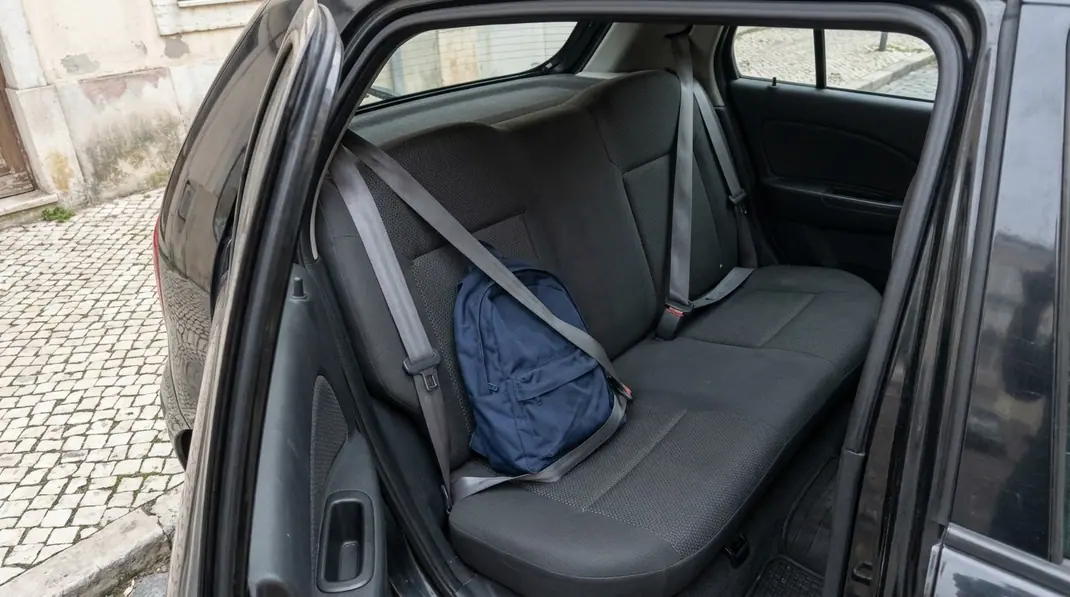
Is a seat belt mandatory in the back seat?
Yes. Art. 82 speaks of «passengers» without excluding rear seats, and the Portuguese fact-checker Polígrafo concludes the obligation applies in front and in the back. If your car has a belt in the back seat, you must use it.
The same goes for friends you carry on a trip. Before setting off, check that everyone has buckled up, including whoever sits in the middle, where there is sometimes only a lap belt.
How to wear the seat belt correctly
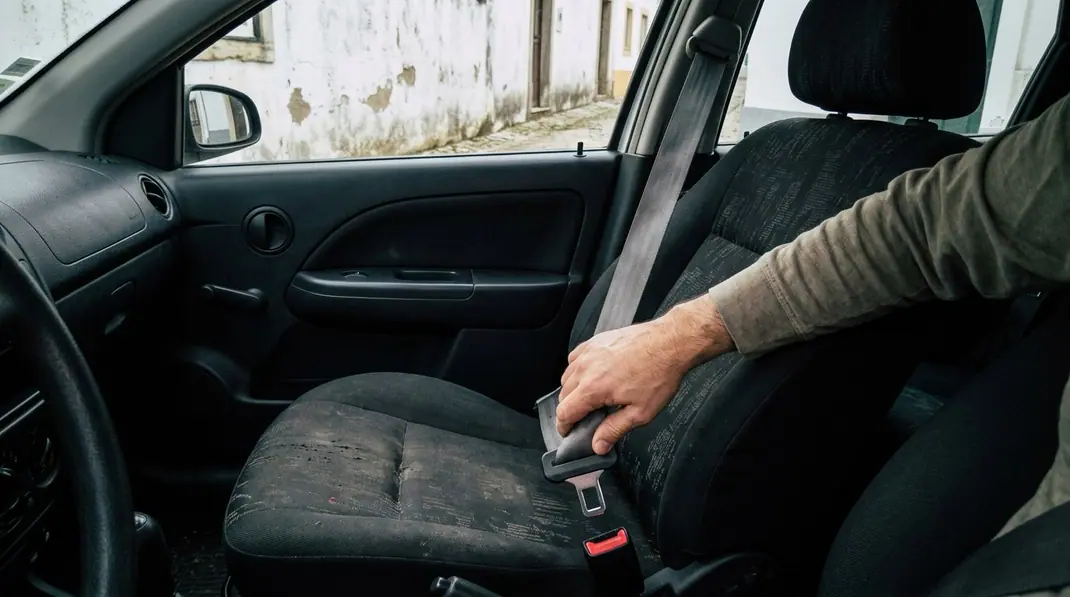
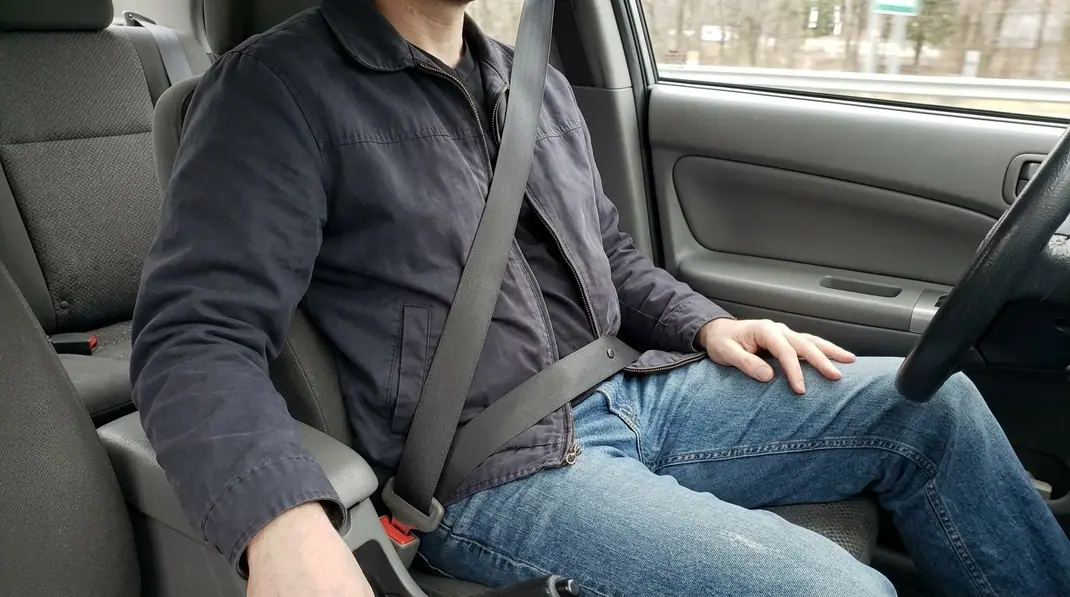
Wearing it wrongly is also an offence. Art. 7 of Decree-Law 170-A/2014 says how the belt must be used:
- the buckle must be fully fastened;
- the lap strap must be tight and low across the thighs, not across the stomach;
- the diagonal strap rests on the shoulder and crosses the chest;
- the belt cannot go under the arm or behind the back.
The same article bans devices that change how the belt works, such as ones that limit movement or the retraction force of the strap. In other words, the clips many people use to stop the belt tightening are not allowed.
Who is exempt or excused from wearing a seat belt
The law provides few exceptions, found in the same decree-law (arts. 9 and 10):
- Medical certificate: anyone with an exemption certificate for serious health reasons is exempt. It is issued by the health authority for the area of residence, has an expiry date and a specific symbol, and must be shown whenever the authorities ask;
- European certificates: certificates issued by another EU member state are also valid in Portugal;
- Taxis: taxi drivers are excused inside built-up areas when carrying passengers. Passengers are not excused;
- Emergency and police: drivers of security-force, rescue and prison-security vehicles, and the officers and firefighters riding in them, inside built-up areas and when the mission justifies it.
The decree-law does not list pregnancy as an exemption on its own: only a medical certificate exempts. The ANSR e-book mentions the same certificate, issued free of charge by the health authority.
Children without a belt or a child seat
Carrying minors without the mandatory safety devices is treated more seriously. The ANSR lists carrying minor passengers without the compulsory safety accessories among the serious offences that cost 2 points on the driving licence.
Up to 12 years or 135 cm, the child travels in a suitable child seat. See the full rule, the ages and the fine in our guide to the mandatory child seat.
Older cars: what if the car has no rear belts?
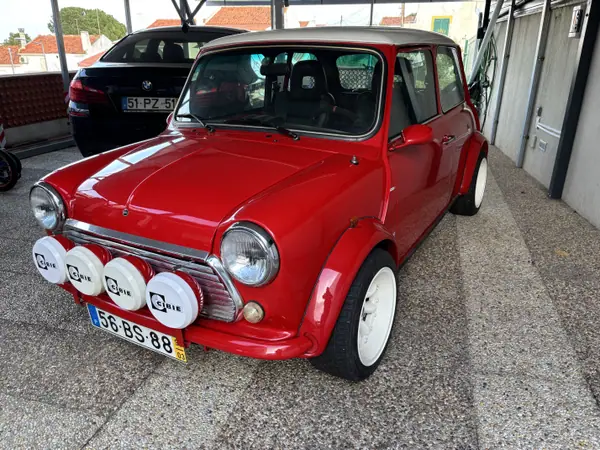
Whether a car must come fitted with belts depends on its registration date (art. 5 of the same decree-law). Passenger cars registered before 1 January 1966 are excused from front belts. For the back seats, the exemption applies to cars registered before 27 May 1990.
So in a classic without rear belts there is nothing to buckle. But if the car has them, you must use them. If you are buying such a car, test the buckle and the retractor of each belt: a worn or jammed belt does not protect you.
On 14 November 2026, there were 9,497 active cars on AUTO.MOTO.pt, 70 of them from before 1990. See the used cars for sale and get alerts for new adverts in the AUTO.MOTO app.
Seat belt and other safety rules in the car
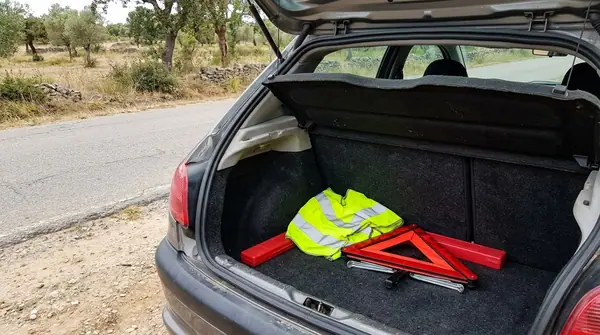
The belt is one of several obligations. If the car stops on the road, the reflective vest and warning triangle are just as mandatory. And at the wheel, remember that using a phone also carries a fine: see the fine for using a phone while driving.
If you have an accident, even without pain, check everyone is fine and follow the steps in the car accident guide.
The figures in this article are those of the Highway Code and of Decree-Law 170-A/2014; always check the version in force before acting.
Frequently asked questions
Is a seat belt mandatory in the back seat?
Yes. Art. 82 requires the driver and passengers of motor vehicles to wear it, without distinguishing seats, as long as the car has a belt in that seat.
What is the fine for not wearing a seat belt?
€120 to €600, for anyone who does not use, or wrongly uses, the safety devices (art. 82(7)).
Who can drive without a seat belt?
Anyone with a medical exemption certificate for serious health reasons and, inside built-up areas, taxi drivers with passengers and drivers of police and rescue vehicles on a mission.
Can a pregnant woman go without a seat belt?
Only with a medical exemption certificate. The decree-law does not provide pregnancy as an automatic exemption.
Do the taxi driver and the taxi passenger need a belt?
The driver is excused inside built-up areas when carrying passengers. The passenger is not: they should buckle up.
Do older cars need seat belts?
Cars registered before 27 May 1990 are excused from rear belts, and passenger cars before 1 January 1966 from front belts. If the car has them, they must be used.