Operating a motorized vehicle on public roads in Portugal requires strict adherence to national administrative regulations. The Portuguese Highway Code, specifically Article 85, dictates that drivers must carry specific documentation at all times to prove their identity, driving privileges, and the legal status of the vehicle. The primary document verifying the legal and technical compliance of the machine is the DUA. This document functions as the absolute foundation of Portuguese automotive bureaucracy. The registration process in Portugal centralizes all technical and ownership data into a single verified state record. The database proves the current registered physical configuration matches the data held by the national transport authority.
The document serves dual administrative purposes. It acts as the formal certificate of ownership. It also functions as the detailed technical specification sheet. When a transit police officer or a GNR patrol conducts a routine roadside inspection, they demand this document first to verify ownership, check for unauthorized mechanical modifications, and confirm the active payment of municipal road taxes. Every technical parameter must align perfectly with the physical machine. Tire sizes must match. Engine displacement must match. Paint color must match. Failure to present valid documentation during a transit stop results in immediate administrative fines. Officers do not issue warnings for missing papers. You must present the physical card or a legally recognized digital equivalent. The minimum fine for driving without the document is 60 euros. If the driver cannot present the document within exactly eight days at a designated police station, the fine escalates automatically to 300 euros. The authorities can seize the vehicle.
What is the car logbook?
The technical and legal definition of the vehicle logbook revolves around administrative consolidation. Before the 2005 reform, the Portuguese state utilized a divided, highly inefficient bureaucratic system. Drivers carried two separate paper documents. The technical specifications were printed on a green paper trifold known as the Livrete, issued directly by the IMT. The ownership details were recorded on a separate yellow sheet called the Título de Registo de Propriedade, issued by the IRN. The implementation of the DUA merged both records into a single unified certificate.
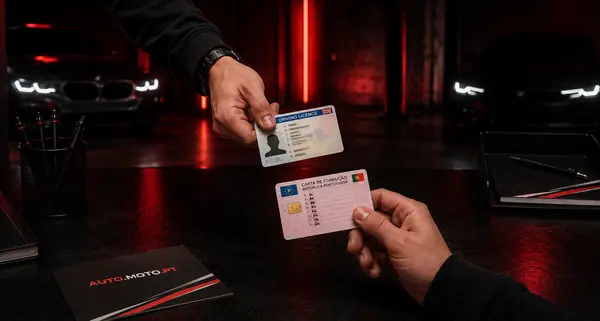
Two distinct physical formats exist in circulation across the country. The legacy format is a wide, light-green paper trifold document containing extensive printed data fields. In August 2019, the Portuguese government modernized the physical credential under the DUA na Carteira initiative. The new format is a highly durable polycarbonate smart card, identical in dimension to a standard European credit card. The polycarbonate card utilizes advanced security features to combat counterfeiting. It includes optically variable ink that shifts color under different viewing angles. It features tactile surface reliefs that you can feel with your thumb. It contains an embedded cryptographic microchip holding the digital signature of the registry. The embedded cryptographic microchip functions as a secure database. When transit police insert the card into their mobile patrol terminals, the chip reveals the complete history of the vehicle. It stores digital records of outstanding tax debts, active arrest warrants for the vehicle, and unresolved traffic citations linked to the registration plate. The chip possesses a storage capacity of 72 kilobytes. The layout strictly adheres to the European harmonized vehicle registration certificate standard.
Reading the document requires understanding the standardized field codes. The data is structured sequentially across both sides of the plastic. Field A displays the primary alphanumeric registration number (matrícula). Field B records the exact date of the vehicle's first registration anywhere in the world. Field I details the date of registration in Portugal. Field C details the identity and the registered fiscal address of the legal owner, titleholder, or commercial user. If the vehicle changes hands, these C-level fields update automatically. You can initiate this bureaucratic overwrite instantly by reviewing the procedures outlined in our dedicated guide on Car Registration: How to Do It Online and in Person.
Field D lists the specific manufacturer brand, commercial model designation, and the highly specific technical variant/version code used for homologation. Field E contains the Vehicle Identification Number (VIN / número de quadro). Fields F and G define the maximum technically permissible gross vehicle weight and the unladen curb mass in kilograms. Field J indicates the vehicle category, such as M1 for passenger cars or N1 for light commercial goods vehicles. Field P outlines the engine specifications. It breaks down into P.1 for displacement in cm3, P.2 for maximum net power output in kW, and P.3 for combustible fuel type. Field V details exhaust emissions metrics, specifically listing the carbon dioxide output (CO2 in g/km) and the designated Euro emission standard.
Field S specifies the legal seating capacity, including the driver. Field O indicates the maximum permissible towed mass, divided into O.1 for trailers with active brakes and O.2 for unbraked trailers. Field Q lists the power-to-weight ratio in kW/kg, which is exclusively used for motorcycle classifications. Field U records the stationary noise level in decibels and the corresponding engine speed in RPM. Field Z is reserved for specific technical annotations and legal restrictions. This field lists legally homologated alternative tire and wheel rim dimensions. It shows approved tow bar installations with specific serial numbers. It authorizes specific exterior color changes. It also displays recorded financial encumbrances such as a reserva de propriedade (reservation of title) linked to an active bank loan or a locação financeira (financial leasing) agreement. The registry prints the financing institution's exact corporate name in Field Z.1.
Where to see the chassis number on the new logbook?
The most critical data point etched onto the polycarbonate smart card is the Vehicle Identification Number. The European harmonized code system designates this 17-character alphanumeric string as Field E. To find where to see the chassis number on the new logbook, locate the front face of the modern card. Scan the left-hand column beneath the manufacturer details. Field E sits prominently displaying the exact sequence assigned by the factory during assembly. This sequence serves as the primary administrative identifier for the vehicle. It functions as the foundational serial code linking the metal chassis to the government database.
Cross-referencing this specific sequence during private vehicle transactions is mandatory. When evaluating used cars on the secondary market, you must physically verify that the alphanumeric string printed on the card matches the physical stamping on the vehicle's structural chassis. Manufacturers position this permanent stamping in highly specific locations. Open the hood and inspect the metal bulkhead panel separating the engine bay from the cabin. German manufacturers frequently stamp the code directly into the rain tray metal beneath the wiper motor. Check the reinforced steel surrounding the front suspension strut towers. Japanese imports often feature the stamping on the floorboard beneath a plastic flap near the driver's seat. Locate the visible VIN window embedded at the lower corner of the front windshield on modern vehicles. You can also find a printed manufacturer sticker affixed to the passenger side B-pillar door frame containing this identical sequence.
You compare the metal stamping directly against the chassis number in the logbook. The characters must match with absolute perfection. Professional diagnostic technicians plug an OBD2 scanner into the vehicle's diagnostic port under the steering wheel. The engine control unit transmits the digitally coded VIN to the scanner. This digital readout must perfectly match Field E on the card. Administrative discrepancies between the physical stamping and the printed card trigger immediate failure during mandatory periodic technical inspections. The inspection center will refuse to issue a passing certificate. You must initiate a complex bureaucratic correction process involving the manufacturer's representative and the transport authority to rectify the database error. The technical inspection center blocks the vehicle from circulating. In cases where the physical chassis stamping is rusted, damaged in a collision, or illegible, the owner must request a formal re-stamping procedure (re-gravação do número de quadro) authorized explicitly by the transport institute. The fee for the re-stamping authorization is 30 euros.
How long does it take for the car logbook to arrive?
The civil registry dictates the administrative timelines regarding the production and physical dispatch of the polycarbonate smart card. When a citizen executes an ownership transfer, completes a fresh import registration, or updates a residential tax address, the system triggers a centralized manufacturing request. The physical cards are not printed at local registry desks. The central facility manufactures the polycarbonate blanks and laser-engraves the surface data.
Under normal processing conditions, the central facility dispatches the finished card via registered postal mail handled by CTT (Correios de Portugal) within 10 to 20 business days following the final approval of the registration request. The envelope ships directly to the primary registered tax address of the legal owner listed in Field C.1.3. During this waiting period, the registry official issues a temporary paper credential known as the Guia de Substituição or Guia Provisória. This paper receipt carries a strict legal validity period of exactly 30 days from the date of issuance. It permits the driver to circulate legally within Portuguese national borders. It is not recognized for international travel across borders. If the 30-day validity window approaches expiration and the permanent card has not arrived, the owner must return to a physical registry counter. The clerk verifies the system status and issues a formal extension stamp on the paper guide.
Postal delivery failures happen frequently in rural areas and apartment complexes. The CTT protocol requires a physical signature upon delivery. If the postman finds the residence empty, they leave a standard postal notification slip in the mailbox. The owner possesses exactly six working days to present this notification slip and a valid citizen card at the designated postal branch to claim the envelope. You can track the delivery status using the specific 13-character tracking code (código de rastreio) provided on the initial registration receipt. You input this code on the postal service website. If the owner fails to retrieve the envelope within the holding period, or if the mailbox lacks the correct surname, the parcel is marked as unclaimed. The envelope is returned to the sender (devolvido ao remetente). The postal service routes the envelope back to the originating IRN registry desk or IMT branch. You must locate the specific originating office and schedule a desk appointment. The registry holds the returned envelope securely in a filing cabinet. You do not pay a duplicate production fee to retrieve it. Present your identification at the counter. The clerk locates the specific envelope using your license plate number. You just sign the physical delivery register at the counter.
How to request a duplicate logbook?
Physical credentials suffer severe damage over time. Wallets are misplaced. Polycarbonate cards snap under heavy pressure. When the primary physical credential fails or vanishes, the registered owner must navigate the bureaucratic system to trigger a permanent replacement. You initiate the replacement process either through a secure digital portal or by standing in line at a physical government counter.
The online application workflow requires absolute digital authentication. The Portuguese state operates the Automóvel Online platform specifically for vehicular bureaucracy. Navigate to the official portal via a secure web browser. To request a duplicate logbook, the system demands high-level cryptographic verification to prevent unauthorized third parties from accessing vehicle records. Authenticate your session using the Digital Mobile Key. This requires entering your mobile phone number, your chosen security PIN, and a six-digit temporary authorization code dispatched via SMS. Alternatively, insert your physical Cartão de Cidadão into a USB smart card reader and enter your four-digit authentication PIN.
Once inside the portal, navigate to the specific service category for document replacement (segunda via / substituição de documento). Input the alphanumeric registration plate of the vehicle. The system pulls the active vehicle data associated with the logbook. Confirm your registered fiscal address to ensure the postal delivery routes correctly. Select the specific legal reason for the replacement request from the standardized drop-down menu. Choose between loss, theft, destruction, or poor conservation. The system generates a digital payment reference. Execute the payment via the Multibanco network or the MB Way smartphone application. The online processing route applies a statutory 50 percent fee discount compared to physical counter applications. The online duplicate fee is exactly 15 euros.
The in-person counter workflow demands physical presence and paper forms. Locate a primary IRN vehicle registration desk, an IMT regional office, or a designated mobility counter inside a Citizen Shop (Loja de Cidadão) to replace your car logbook. Pull a physical numbered ticket from the dispensing machine. You must present mandatory physical documentation to the clerk. Surrender your valid identification document (Cartão de Cidadão or Passport) and your Tax Identification Number (NIF). Submit a fully completed and signed official application form, designated as the Modelo Único de Requerimento de Registo Automóvel. In Quadro 1 of this form, tick the specific box for "2ª Via / Substituição". In Quadro 2, fill out the owner's personal details. If the vehicle is registered to a corporate entity, the applicant must present the company's permanent certificate access code (código da certidão permanente). If the vehicle operates under an active financial leasing contract, the registered driver cannot request a duplicate directly. The driver must request formal written authorization from the leasing bank that holds the ownership title in Field C. If the legal reason for the replacement is theft, you must attach the formal police report (auto de ocorrência) provided by the PSP or GNR. The clerk processes the paperwork and enters the request directly into the central database. The system issues a Guia de Substituição on the spot. You use this paper document to drive while the mint prints the new plastic card. The administrative fee at the physical counter is exactly 30 euros. Acceptable payment methods include cash, Multibanco debit cards, or certified bank checks.
How to see kw in the new logbook?
Engine power dictates taxation and insurance premiums. The Portuguese government extracts revenue based heavily on the thermodynamic output and environmental impact of internal combustion engines. Insurance companies calculate underwriting risk profiles based directly on the raw kinetic potential of the machine. The standardized metric for engine power in the European Union is the kilowatt (kW).
You must locate the technical specifications section on the reverse side of the modern polycarbonate card. Scan the alphabetic fields down to the P section. Field P.1 displays the total cylinder capacity of the engine block in cubic centimeters. Directly below this, Field P.2 displays the maximum net power output strictly in kilowatts (kW). For electric vehicles, Field P.2 displays the maximum 30-minute continuous power rating, not the absolute peak burst power.
This specific kilowatt figure establishes the legal baseline for your financial obligations. The Portuguese tax authority utilizes this metric to calculate specific tiers of the annual municipal road tax (IUC / Imposto Único de Circulação). This applies particularly to motorcycles and specific commercial vehicle categories where tax brackets shift based on power output. Insurance actuaries map the vehicle into specific risk tiers based on this exact kW figure. Novice drivers restricted by the A2 motorcycle license category must verify that the machine's output does not exceed the legal 35 kW limit. The power-to-weight ratio cannot exceed 0.2 kW/kg.
Portuguese drivers routinely operate using the legacy metric of metric horsepower (cv / cavalos) rather than kilowatts in daily conversation. The polycarbonate card does not print the horsepower figure. You must calculate this metric manually using a fixed mathematical constant. Multiply the kilowatt rating printed in Field P.2 by exactly 1.36. If Field P.2 displays 80 kW, you multiply 80 by 1.36 to confirm the engine produces 108.8 metric horsepower. Verifying this specific power output prevents buyers from purchasing misbadged engine variants when evaluating older used cars on the secondary market. Private sellers occasionally attach higher-trim exterior badges to low-power engine blocks. The data in Field P.2 represents the absolute legal specification of the engine block.
Conclusion
Operating a vehicle in Portugal demands strict adherence to the administrative realities of the documentation. Keeping vehicle registry data current is an absolute legal requirement. If you modify the technical parameters of the machine, update your residential tax address, or change the exterior paint color, you must notify the transport authorities immediately. The registry database must reflect physical reality perfectly. You possess exactly 30 days to order a new card reflecting these alterations to avoid administrative fines during roadside inspections.
The Portuguese state actively embraces digital modernization to mitigate the risk of losing the physical polycarbonate card. The government-issued id.gov.pt smartphone application links directly to your digital mobile key authentication. It pulls real-time cryptographic data directly from the civil registry servers. It generates a fully legal, scannable digital replica of your documentation on your smartphone screen. You must generate a PDF export with a validation QR code within the app to ensure offline access in areas with poor cellular reception. This digital credential is universally accepted by domestic police authorities during transit stops within national borders. Ensure your smartphone battery maintains sufficient charge before driving. Police officers cannot verify the digital QR code on a completely dead screen.