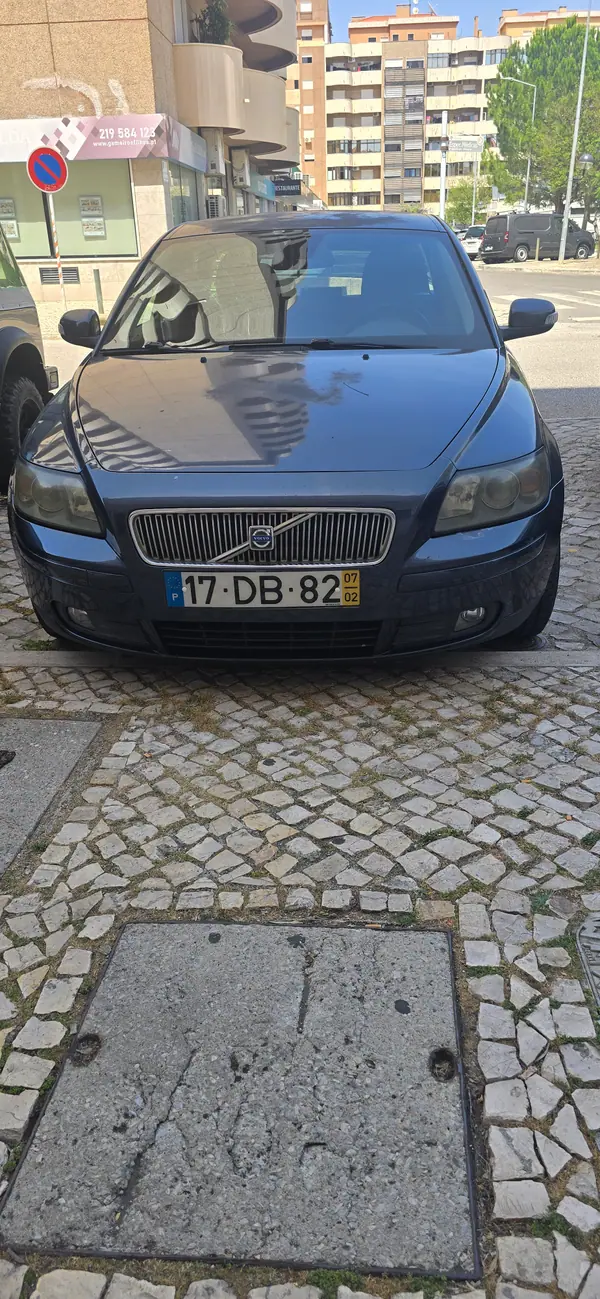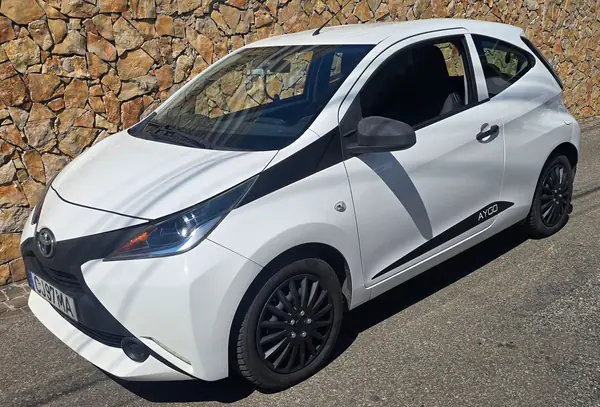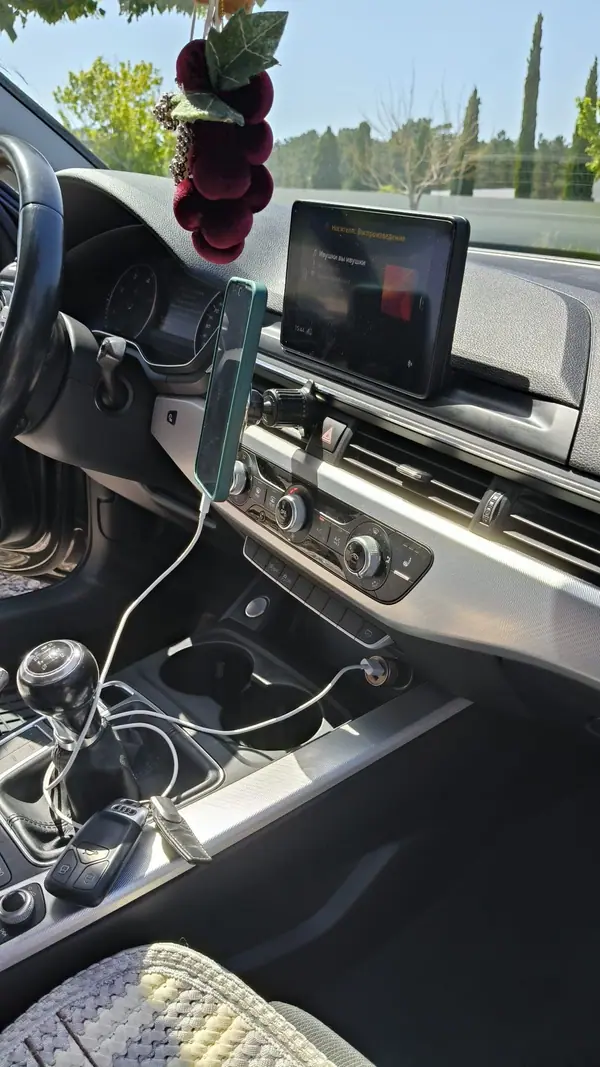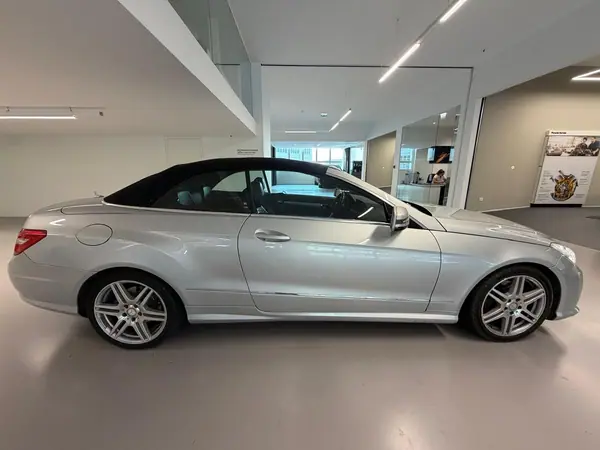
There are very few modern corporations whose rapid evolution is so intimately and deeply intertwined with the actual history of the 20th century as the Volkswagen Group. When you are sitting in frustrating daily traffic and look around, it is an absolute mathematical certainty that you will be looking directly at, at the very least, one physical product manufactured by this colossal European industrial machine.
But, for those slightly less attuned to corporate finance and global industrial engineering, the lingering question remains: what exactly is the Volkswagen Group?
In clear, straightforward terms, the Volkswagen Group (whose official corporate name is Volkswagen Aktiengesellschaft, or VW AG) is a gigantic German multinational automotive conglomerate with its historic headquarters and massive operational heart located in the city of Wolfsburg, Lower Saxony. We are absolutely not just talking about another ordinary car manufacturer; we are talking about the undisputed largest car manufacturer in all of Europe. In an epic, tireless, decades-long battle with its fierce Japanese rival Toyota, the Volkswagen Group fights aggressively, year after year, for the highly prestigious title of the world's largest automotive manufacturer by total sales volume.
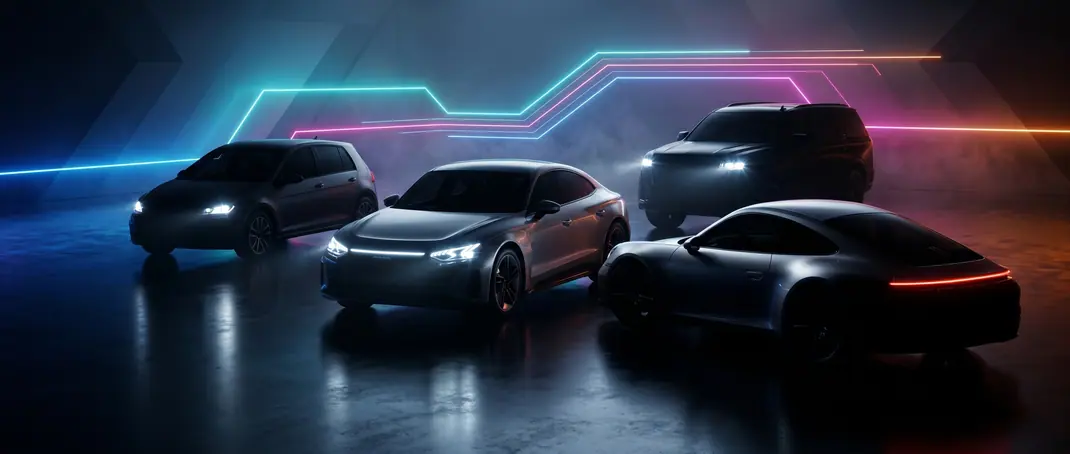
The sheer scale of its global operations is almost incomprehensible to the average citizen. The Group meticulously designs, develops cutting-edge technology, manufactures, and physically distributes absolutely everything: from the tiniest, highly efficient city cars built for daily commutes, to spacious family wagons, ultra-luxurious sports supercars that actively defy the laws of physics at over 250 mph (400 km/h), all the way up to the massive heavy-duty freight trucks and long-haul passenger buses that keep the entire continent's logistics running smoothly. It is a true leviathan of mechanical engineering that directly employs over 670,000 hardworking people, spread across more than 115 massive factories and assembly lines in roughly 30 different countries around the globe.
In this article, we are going to travel back in time. We will unearth the deeply turbulent history behind this massive empire, answer the most highly intriguing questions our readers frequently ask, and fully comprehend how one single, highly controversial idea forever transformed the face of human mobility.
The History: From the Ashes of an Empire to Global Dominance
To truly and deeply understand what the Volkswagen Group is today, and why its corporate engineering culture is so incredibly strict, we must actively look deep into the past, to one of the darkest, most turbulent, and highly transformative eras in European history: Germany in the 1930s.
The Troubled Birth of the "People's Car" (1937 - 1945)
The original, core idea for Volkswagen did not magically spawn in a brightly lit corporate boardroom full of executives in expensive suits, but rather from a massive state project driven by Adolf Hitler's regime. The political objective of this state project was crystal clear, extremely ambitious, and, at the time, mechanically highly complex: to completely design and mass-produce a "Volks-Wagen" (a German word that translates literally to "The People's Car"). The strict premise of the engineering brief demanded a small, aerodynamic, incredibly mechanically reliable automobile, perfectly capable of comfortably transporting two adults and three children on the newly constructed Autobahns (highways) at a steady cruising speed of 100 km/h (62 mph). And, high above all these strict demands, the car legally had to cost less than 1,000 Reichsmarks—roughly the exact equivalent price of a small, very modest motorcycle during that era.
To successfully transform this utopian engineering dream into a tangible reality made of bent steel, the German regime officially hired the services of the absolutely brilliant Austrian engineer Ferdinand Porsche. It was Porsche and his highly talented team of engineers who sketched out the unmistakable curved lines and designed the highly innovative, rear-mounted, air-cooled boxer engine of what would eventually become the legendary Type 1 (which the entire world would later heavily embrace and affectionately name the Beetle, or the "Bug").
To physically manufacture this revolutionary vehicle on a scale of mass production never before witnessed in Europe, a company was founded on May 28, 1937, named Gesellschaft zur Vorbereitung des Deutschen Volkswagens mbH, which, exactly one year later, was smartly renamed to Volkswagenwerk GmbH. An entire, massive city (present-day Wolfsburg) was literally built from the ground up, right in the middle of nowhere, with the sole purpose of permanently housing the tens of thousands of factory workers for what was projected to be the single largest industrial factory on the European continent.
However, the peaceful, civilian dream of the People's Car was violently slammed on the brakes. With the explosive outbreak of the Second World War in 1939, the giant Wolfsburg factory was immediately forced to aggressively shift its entire focus. Instead of happily producing civilian Beetles for families to take weekend road trips, the massive assembly lines began frantically churning out the Kübelwagen and the Schwimmwagen—rugged light military and amphibious vehicles that shared the exact same mechanical base as the Beetle, absolutely vital for the war effort.
The Reconstruction and Major Ivan Hirst's Miracle (1945 - 1950)
When the devastating global conflict finally came to an end in 1945, the monstrous Wolfsburg factory was in an absolutely pitiful, ruined state. More than 60% of its massive infrastructure and heavy machinery were completely reduced to a chaotic mess of shattered concrete rubble and violently twisted steel beams, a direct consequence of intense, heavy Allied bombing campaigns.
It is exactly here that the history of Volkswagen takes a massive plot twist so fantastic it seems directly ripped from a Hollywood movie script. The destroyed, smoking factory fell under the strict jurisdiction of the occupying British military forces. High-ranking engineers and automotive executives from British, American, and French car manufacturers actively inspected the ruins and closely analyzed the strange, rounded design of the little Beetle. They collectively made what is, undoubtedly, the largest and most blindingly foolish business evaluation mistake in global industrial history: they haughtily considered the car far too noisy, terribly ugly, and completely devoid of any future commercial appeal whatsoever. They flatly refused to take over the factory and its patents, even when they were essentially offered completely for free.
The true savior of the brand was a lone British military officer with absolutely extraordinary, unparalleled vision, Major Ivan Hirst. Hirst immediately and brilliantly realized that both the Allied occupying forces and the completely devastated German civilian population desperately needed cheap, highly reliable vehicles for essential daily transport. Physically clearing the heavy rubble by hand, creatively salvaging old parts, and imposing strict military discipline on a starving, desperate workforce, Hirst managed to pull off the absolute miracle of reactivating the dusty assembly line. The British army officially signed a massive, life-saving order for 20,000 vehicles. By 1949, with the company surprisingly already generating a healthy profit and the country in a full phase of national reconstruction, the British government officially handed a stabilized Volkswagen back into German hands.
The German Economic Miracle and the Leap into the Modern Era
Beginning in the 1950s, under the iron-fisted, demanding leadership of Heinrich Nordhoff, Volkswagen rapidly became the ultimate industrial engine and the shining global symbol of the Wirtschaftswunder (the famous "German economic miracle"). The Beetle, completely indestructible, dirt cheap, and undeniably charming, violently invaded the planet, conquering hearts even in the highly demanding, massive market of the United States.
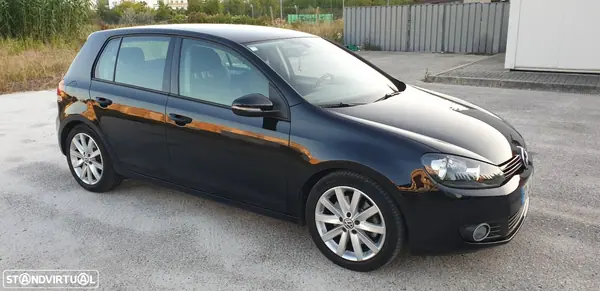
But VW's board knew very well that they could not survive purely on just one aging model. Throughout the 70s and 80s, the group aggressively launched highly iconic models featuring modern water-cooling and front-wheel drive, most notably the Golf and the Polo. These smart cars were specifically designed to be the highly practical, completely indestructible modern successors to the Beetle. And the ultimate proof of that legendary Germanic build quality reflects perfectly in our modern era: when a modern family or a nervous, newly licensed young driver starts heavily researching their very first car, finding highly reliable used Volkswagen Polo cars remains an absolute top priority for buyers on a budget. These are vehicles that, even with years of harsh road use and thousands of miles on the odometer, continue to consistently offer enviable mechanical reliability and rock-solid safety, firmly solidifying the old motto that a VW is a true, long-term investment.
Answering the Empire's Biggest Questions
The Volkswagen Group is absolutely not a normal corporate company; its massive power structure and brand portfolio are a complex, deeply woven web of European influence.
Who owns the Volkswagen Group?
This is, without a doubt, one of the most fascinating corporate questions in the business world, because VW's power structure is anything but conventional. Unlike the vast majority of publicly traded global companies, where anonymous, small shareholders dictate the rules, Volkswagen is controlled with an iron fist by a wealthy family dynasty and highly protective regional interests.
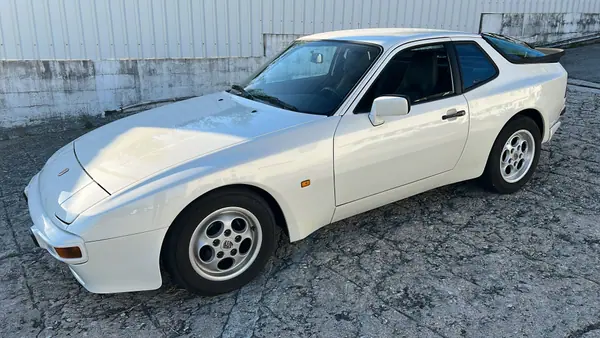
The absolute main shareholder, holding total, undeniable control of the entire Volkswagen Group, is the massive holding company Porsche Automobil Holding SE (commonly known simply as Porsche SE). This giant investment firm is strictly, tightly controlled by the billionaire Porsche and Piëch families, who are the direct blood descendants of Ferdinand Porsche, the original creator of the Beetle. Together, these two powerful families firmly control over 53% of the massive voting rights of VW. This deep heritage of engineering excellence and raw power keeps the mystique of the founding family fiercely alive, and it is exactly why owning a sports car designed by this specific bloodline is an absolute status symbol. The thriving, highly passionate market for used Porsche cars— like the iconic, immortal rear-engined 911 or the incredibly agile Cayman—shows the enduring legacy and the eternal passion that true automotive purists and serious collectors hold for these machines.
The second largest major shareholder, heavily controlling a vital 20% of the voting rights, is the State of Lower Saxony itself (the regional German government). This "Volkswagen Law" essentially means that local politicians have the direct legal power to instantly veto highly dramatic corporate decisions (such as abruptly closing massive German factories), thereby fiercely protecting the thousands of well-paying jobs of their citizens. Finally, the Qatar Investment Authority(the sovereign wealth fund of Qatar) holds roughly 17% of the voting rights, actively bringing an enormous, vital injection of Middle Eastern capital straight into the beating heart of European engineering.
What brands does the Volkswagen Group own?
If you pay close attention to the traffic flowing around you, the sheer diversity of the Volkswagen Group is absolutely overwhelming. They do not merely sell cars; they sell highly tailored emotions and smart mobility solutions for literally every single wallet size in the world. Let’s carefully dissect the massive empire:
1. The Heart of Volume and Family Driving:
- Volkswagen: The core mother brand, the proud home of the legendary Golf, the spacious Passat, and the vast, brand-new electric ID generation.
- Skoda: Cleverly purchased in the Czech Republic in the 90s, Skoda spectacularly transitioned from being the target of cruel jokes into one of the most highly practical, intelligent, bulletproof, and wildly profitable brands in all of Europe.
- SEAT & CUPRA: The hot-blooded, passionate Spanish division. SEAT offers youthful, highly dynamic design for the masses, while Cupra, its recently spun-off autonomous high-performance brand, is rapidly conquering drivers who seek pure electrification heavily combined with extremely aggressive, sporty aesthetics.
2. The Premium Technological Vanguard:
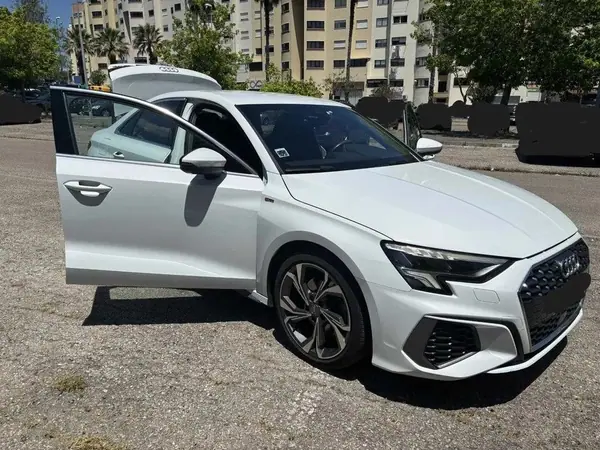
- Audi: Proudly headquartered in Bavaria, Audi acts as the massive, cutting-edge technological laboratory of the entire group, globally famous for its legendary, rally-winning Quattro all-wheel-drive system. The extreme level of cabin comfort and high-tech innovation is so incredibly high that the secondary market reacts extremely positively; which explains why used Audi cars, from the highly agile A4 Avant wagons to the massive, imposing Q7 luxury SUVs, are frequently the absolute number one choice for executives and busy families who demand supreme, quiet comfort for long, high-speed highway journeys.
3. The Realm of Ultra-Luxury and Roaring Supercars:
- Porsche (Porsche AG): The absolute main cash cow of the group and the specific brand that universally defines what a true, high-end luxury sports car should be.
- Lamborghini: The crazy Italian masters of visual excess. They furiously develop roaring V10 and V12 supercars featuring extreme, wedge-shaped designs that look exactly like fighter jets glued to the asphalt.
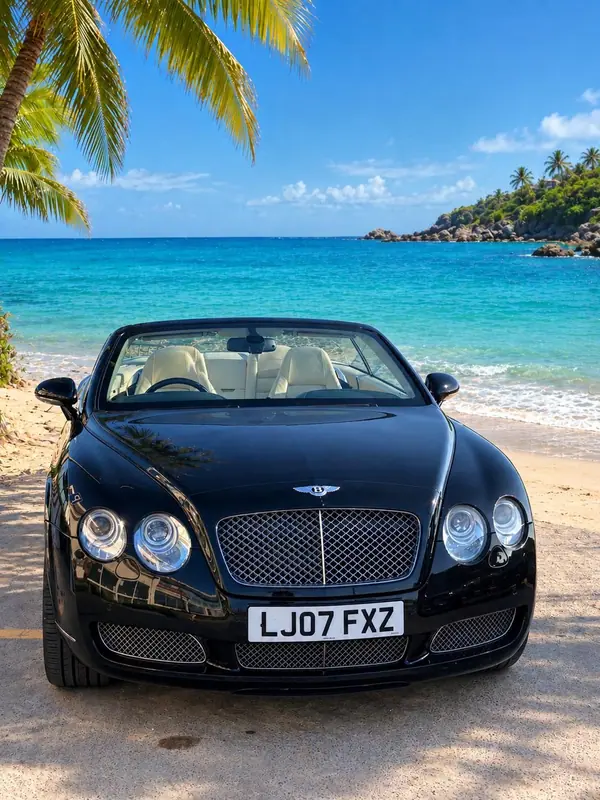
- Bentley: Headquartered in the UK, it represents the absolute, undeniable pinnacle of handcrafted luxury, perfectly blended with gigantic, silky-smooth engines heavily developed in Germany.
- Bugatti: (Currently integrated into a joint venture heavily involving Rimac, but with VW still deeply involved), the hypercar brand that completely shattered the 250 mph (400 km/h) barriers with the engineering marvels of the Veyron and the Chiron.
4. Motorcycles and Heavy-Duty Freight Monsters:
- The legendary, red-blooded Italian manufacturer of incredibly fast sports motorcycles, Ducati, financially belongs entirely to the Audi division.
- The massive TRATON commercial group completely dominates global highways with the heavy-duty freight trucks and large passenger buses built by the European giants Scania and MAN.
How much is the Volkswagen Group worth?
Attempting to accurately calculate the total financial value of an entity of this colossal magnitude strictly forces us to look at the official metrics found in the Volkswagen Group's investor reports. In terms of pure market capitalization (the total value of all its traded shares on the stock market at the beginning of 2024), the company wildly fluctuates between a highly impressive 65 to 75 billion euros.
However, the speculative stock market absolutely does not tell the whole physical truth of the company. In the year 2023, the Volkswagen Group completely crushed the global market by recording total global revenues of nearly 322 billion euros, physically manufacturing and delivering to paying customers around the world more than 9.24 million vehicles. With highly impressive operating profits easily crossing the 22 billion euro barrier, the immense tangible value of its mega-factories (such as the sprawling Wolfsburg complex, which is literally the physical size of a small town), its highly tuned global logistics network, and its absolutely incalculable patents in cutting-edge electric battery technology and modular chassis platforms, mean that its true, raw industrial value is practically incalculable.
Conclusion: The Road Ahead
From the miraculous, hard-fought rebirth from the smoking rubble of the Second World War to the current, titanic financial investment of tens of billions of euros directly into purely electric mobility and highly advanced autonomous driving, the Volkswagen Group has proven time and time again to be an ultimate survivor and a truly ruthless innovator. The humble "People's Car" grew up, aggressively multiplied, and today absolutely dominates the asphalt of Planet Earth.
However, the absolute greatest beauty of this historic brand lies strictly in how it physically touches our real, everyday lives. Whether it is through an old, charming hippie van slowly driving down the sunny coast, a high-revving, aggressive GTI aggressively taking corners at a local track day, or a highly comfortable, quiet family SUV safely taking the kids to school, the deep German legacy is absolutely always present, manufacturing vehicles that were meticulously designed to last for generations.
If your deep passion for spirited driving and the undeniable appeal of solid German engineering have finally spoken louder to you, perhaps it is the exact right time to actively find your next great machine. When navigating the massive, exciting, but sometimes highly confusing world of used cars, relying on a specialized, secure, and totally transparent digital platform is the absolute only guaranteed path to a highly successful, worry-free deal.