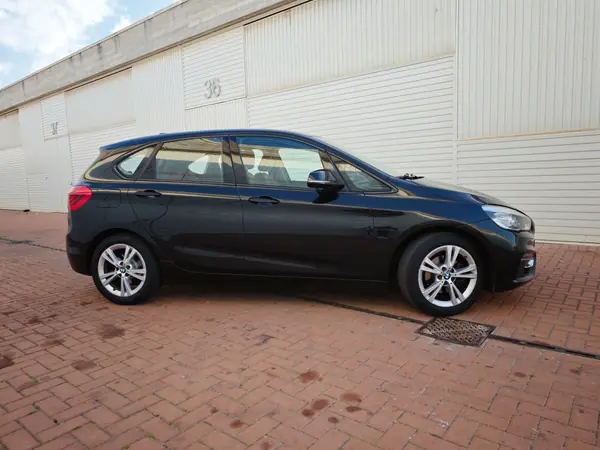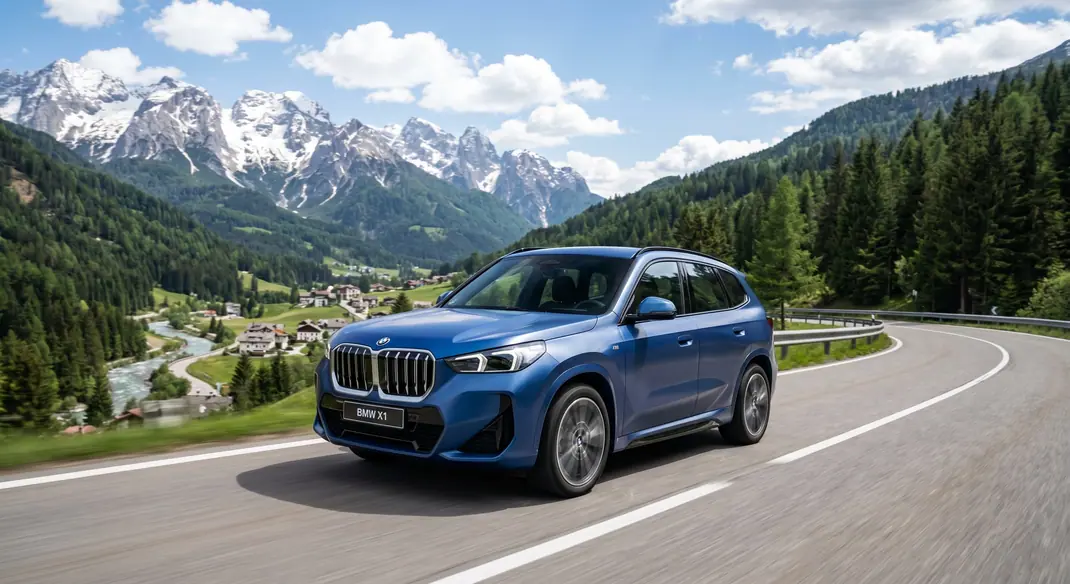
The premium crossover segment is a ruthless battlefield. BMW realized this early on. The first-generation X1 (E84) relied on a rear-wheel-drive chassis. Driving enthusiasts cheered the dynamics. The brand's accountants absolutely despised the production costs and the severely cramped rear seating. BMW tore up the rulebook. The second generation (F48) aggressively adopted transverse engines and front-wheel drive. Brand purists screamed betrayal. Consumers completely ignored them and bought the car by the millions. The X1 maximizes cabin volume. It is a sheer money-printing machine. Now, the third-generation (U11) dominates the market with dense technology and massive curb weight. If you are browsingAUTO.MOTO.pt looking for real answers, forget the glossy dealership catalogs. Buying a German premium crossover requires cold, calculated mechanical logic. The market for used cars does not forgive financial mistakes. We will analyze the engineering, the hidden costs, and the harsh dynamic reality of the X1.
Pricing: How Much Does a BMW X1 Cost Across Different Model Years?
Portugal's heavy tax burden aggressively distorts vehicle values. The ISV (vehicle tax) brutally punishes heavy diesel blocks and highly rewards electrification. Optional equipment strictly dictates residual resale value. Base models depreciate violently. Highly equipped versions retain their worth. Anyone looking for used BMW cars finds tremendous financial liquidity in this specific model. A well-maintained X1 is essentially a bearer check.
How much does a 2022 BMW X1 cost?
This is a year of profound generational transition. The first half marked the final farewell of the F48 generation. Dealerships forced aggressive campaigns, throwing in equipment packages to clear aging inventory. In the secondary market, a clean F48 sDrive18d hovers around €27,900. It is a highly tactical buy. The chassis is fully cured of all its youthful flaws. The BMW X1 2022 price for the rare U11 generation units registered at the end of the year tells a completely different story. The introduction of flush door handles and dual digital screens shoots the quotation straight past €40,000. The technological gap between the two platforms is abysmal. The F48 uses physical buttons. The U11 demands tactile interaction.
How much does a 2024 BMW X1 cost?
Buying a model with only months on its registration means absorbing someone else's initial depreciation shock. The supply of the BMW X1 2024 is heavily dominated by dealership service vehicles. Odometers rarely cross 15,000 km. An sDrive18d M Sport diesel unit costs about €48,900. However, the corporate market actively seeks electrified variants for VAT deduction purposes. A fully loaded xDrive30e with Matrix LED headlights and 19-inch wheels easily exceeds €58,000. The invoice is heavy. The mechanical condition is identical to a zero-kilometer car.
How much does a 2023 BMW X1 cost?
The consolidation year of the U11 generation. BMW definitively eliminated the physical rotary controller from the iDrive system. Everything goes through the massive curved screen. Traditional customers detest the lack of physical climate buttons. Younger drivers absolutely love it. Prices have rigidly stabilized between €38,900 and €42,900. The market absorbs these units at a relentless pace. The BMW X1 25e completely dominates the nearly-new listings. The 14.2 kWh battery guarantees urban electric range and massive tax exemptions, keeping resale values artificially inflated. The BMW X1 plug-in hybrid price on these 2023 units leaves absolutely no room for heavy negotiations.
How much does a 2025 BMW X1 cost?
Walking into an official showroom today requires serious borrowing capacity. Configuring a new BMW X1 starts at €49,000 for the anemic base sDrive18i. Nobody takes that version. Add Portimao Blue metallic paint, proper wheels, and the Premium technology package. The bill instantly jumps to €56,000. Do you desire the aggressive M35i xDrive with its 300 horsepower? The price violently scales to €66,000. The pure electric bmw x1 (iX1) starts its march at €58,500. Current interest rates turn direct dealership financing into a long-term financial punishment.
How much does a 2020 BMW X1 cost?
Here lies the mathematical and mechanical equilibrium point for anyone scouring the lots for used BMW X1 cars. We are dead in the middle of the F48 generation's life cycle (LCI - Life Cycle Impulse). BMW applied a facelift. The grilles grew. LED headlights became standard. The infotainment system bugs were eradicated. You will pay around €23,500 to €26,000. It is a mature, tested, and reliable vehicle. Finding used BMW X1 units from this vintage with a complete brand maintenance history is the best financial decision a buyer can make. The depreciation curve has already flatlined.
Technical & Ownership FAQ
What is the original tire for the BMW X1?
Tires are the only contact area with the asphalt. BMW takes homologation incredibly seriously. Always look for a small star engraved on the tire sidewall. This symbol proves the casing and rubber compound were designed specifically for BMW's suspension kinematics. The F48 generation frequently uses the 225/50 R18 size. The new U11 generation in the M Sport trim wears massive 245/45 R19 rollers. The factory installs Pirelli P Zero or Michelin Pilot Sport 4. Older versions were severely punished by the harsh rigidity of Run-Flat Tires (RFT). They destroyed comfort on degraded roads. Today, many owners mount conventional tires and carry a puncture kit. The grip of these compounds directly affects braking distances in Euro NCAP emergency protocols.
What is the fuel consumption of the BMW X1?
WLTP laboratory data is incredibly optimistic. The real road reveals the naked truth. The sDrive18d diesel block is an unbeatable marathon runner. Driven fluidly, it records a fantastic 5.5 L/100km average. The small sDrive18i petrol block struggles to drag the crossover's mass. The turbo works constantly under load. Consumption climbs to 7.8 L/100km in urban environments. The grand illusion focuses on the hybrid BMW X1. The brand claims fuel consumption of 1.5 L/100km. That strictly requires religious battery charging at home. Real aggregated data from the German platform Spritmonitor proves that if the battery depletes, the small petrol engine is forced to drag nearly two tons of dead weight. Consumption instantly shoots past 7.5 L/100km.
How much does the BMW X1 weigh?
Mass dictates dynamic physics. Weight destroys brake pads and ruins agility. The F48 generation was relatively contained. The sDrive18i weighed 1,500 kg. The U11 generation drastically gained weight to deal with new structural reinforcements. Add the density of the diesel block in the sDrive18d and it hits 1,650 kg. Electrification applies a brutal penalty. The xDrive25e carries a high-voltage battery pack, an inverter, and a rear electric motor. The weight skyrockets to a frightening 1,935 kg. The fully electric iX1 model crushes the scale at 2,085 kg. You can verify the exact homologation on Auto-Data. Bavarian engineers had to severely stiffen the shock absorbers to control body roll. The result? Comfort on bad surfaces is practically non-existent in these heavy versions.
What engine does the BMW X1 have?
The FAAR modular architecture centralizes production. All engines belong to the B family. The logic is simple: each cylinder has exactly 500cc of displacement. The B38 is a 1.5-liter block with three cylinders. It uses a balance shaft to disguise the intrinsic vibrations of an odd number of cylinders. It revs fast, but you feel the harshness above 4000 rpm. The B48 adds a fourth cylinder for 2.0 liters. It is incredibly smooth. It features 350-bar direct injection and Double-VANOS variable valve timing. The B47 is the relentless workhorse of the range. A 2.0-liter diesel block. Twin-scroll turbochargers completely eliminate turbo lag. Piezoelectric injectors spray diesel with surgical precision. Most critically: the B series completely resolved the chronic nightmare of snapped timing chains that haunted the old N47 generation.
What is the difference between BMW X1 sDrive and xDrive?
Nomenclature dictates traction. The UKL/FAAR platform requires transverse engine mounting. This means the sDrive acronym throws all power exclusively to the front wheels. The half-shafts try to cancel out torque steer, but under heavy acceleration, the front fights for grip. The xDrive traction alters the rules. In purely combustion versions, a transfer case draws power from the front differential. A driveshaft runs to the rear axle, where an electro-hydraulic multi-plate clutch supplied by BorgWarner distributes torque in milliseconds as soon as it detects slip. In PHEV models (25e/30e), the engineering shifts. There is no central driveshaft. The petrol engine moves the front wheels through a 7-speed Getrag dual-clutch gearbox. The electric motor attacks the rear axle. Software synchronizes the two power sources in a perfect mechanical ballet.
Where is the battery located in the BMW X1?
Accessing the 12V battery in the F48 generation is a lesson in mechanical frustration. It is not in the trunk. It is buried in the engine compartment, hidden under the windshield water drainage grille (cowl), on the passenger side. You have to remove rubber rails and plastics just to access the negative terminal. Terrible engineering for the weekend mechanic. In the new U11 generation and hybrid models, the high-voltage lithium-ion traction battery lives at the bottom of the car, under the floor of the rear seats. This lowers the center of gravity fantastically, ensuring greater lateral stability. The mechanical disadvantage? It steals about 50 liters of volume capacity from the trunk.
What is the recommended oil for the BMW X1?
An engine with microscopic internal tolerances requires perfect chemical lubrication. Turbochargers spin at 200,000 rpm and generate infernal heat. The B47 diesel block mandatorily requires the BMW Longlife-04 (LL-04) standard. The recommended viscosity is 5W-30. It is a Low-SAPS oil, designed not to prematurely clog the sensitive diesel particulate filter (DPF) with ash. Modern petrol engines (B38/B48) use extremely thin oils to reduce internal friction and save fuel. They require the BMW Longlife-17 FE+ standard with a 0W-20 viscosity. It flows like water when cold. Ignore the brand's recommendations for oil changes every 30,000 km. Rigorously replace the oil every 15,000 km if you want the timing chain tensioner and crankshaft bearings to survive in the long term.
BMW X1 how many kilometers per liter?
The L/100km metric can confuse. We translate it to km/L. The math is ruthless. A consumption of 6.0 L/100km equals exactly 16.6 km/L. The 18d diesel engine, at cruising speed on the highway, can easily brush past a fantastic 18 km/L. The small 18i petrol engine suffers in stop-and-go traffic. It hardly exceeds 12.8 km/L in a dense urban environment. The plug-in hybrid is an extreme case. With the battery 100% charged, it makes short trips spending zero fossil fuel. Deplete the battery on a Lisbon-Porto trip, and the heavy SUV barely manages to reach 13.5 km/L.
Which is the better buy: Seat Ateca or BMW X1?
It is the classic duel of reason versus status. The Seat Ateca sits on the Volkswagen Group's venerable MQB platform. It is lighter. It is mechanically less complex. The 1.5 TSI block with cylinder deactivation is a gem of reliability. The Ateca corners with an agility that the X1 envies. Replacement parts cost half as much. However, the Ateca's cabin breathes hard plastic. Acoustic insulation in the doors is rudimentary. Wind noise invades the cabin above 120 km/h. The X1 belongs to another galaxy of refinement (NVH). Heavy doors shut with a dull, solid sound. The plastics are foamed. The Nappa leather-wrapped M Sport steering wheel feels divine. The iDrive system humiliates the Seat's slow touchscreen. You pay a 30% premium for the logo and the silence. The decision is strictly financial.
How much does it cost to maintain a BMW X1?
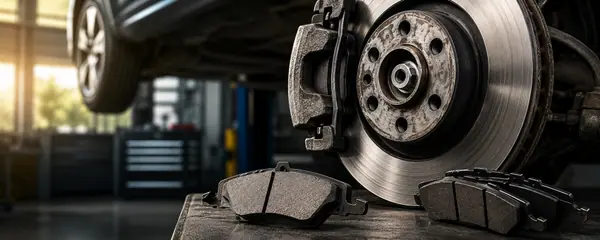
The Bavarian emblem on the front grille dictates the price of the invoice at the workshop. Maintenance is not cheap. A basic oil and filter service in the official network never costs less than €350. In specialized independent workshops, the value drops to about €220. Brake discs and pads on the front axle vaporize quickly due to the torque vectoring system that brakes the inner wheels when cornering. Expect a €450 bill. The 8-speed Aisin automatic gearbox or the 7-speed Getrag DCT requires a fluid change at 100,000 km. The myth of lifetime oil destroys gearboxes. This preventive maintenance will cost €400. The rear multi-link suspension wears out its bushings at 120,000 km, causing directional instability. Repairing the suspension arms hits €600. Beware of postponed maintenance.