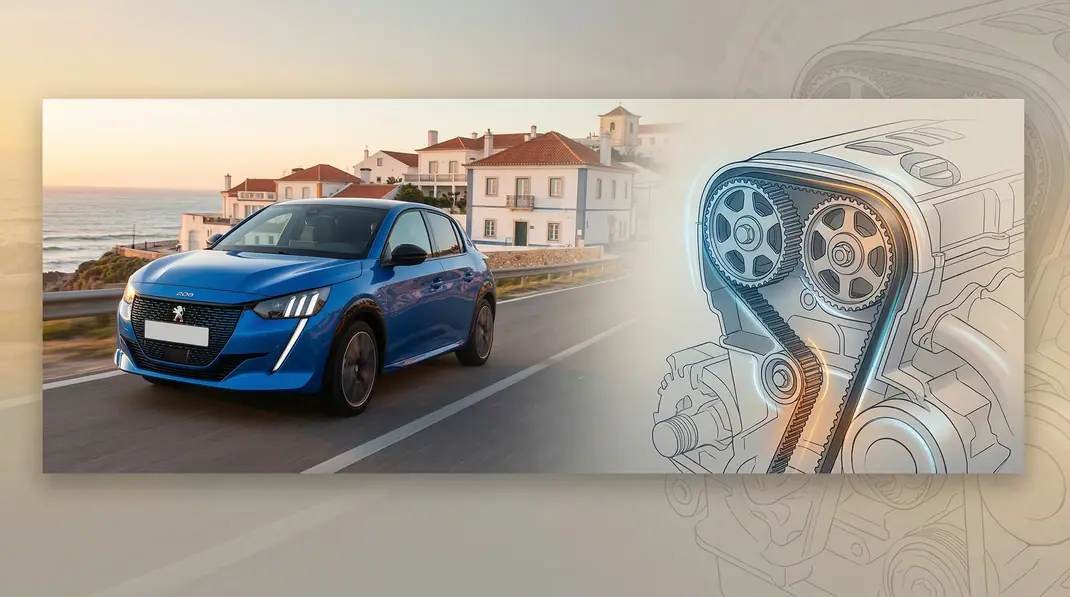
The Peugeot 208 is consistently one of the best-selling and most beloved cars in Portugal, and it is incredibly easy to see why. Since its initial introduction to replace the 207, and particularly with its stunning second generation, the 208 has captured the hearts of European drivers. Its bold, aggressive design, the highly innovative interior featuring the futuristic i-Cockpit, and its unparalleled agility navigating the notoriously narrow and steep streets of cities like Lisbon, Porto, or Coimbra make it an obvious choice for thousands of daily commuters. The vehicle offers a perfect blend of aesthetic appeal, modern technology, and compact dimensions.
However, if you are currently in the process of researching and planning to buy a Peugeot 208, whether you are looking at a brand new unit fresh from a dealership showroom or hunting for an excellent opportunity in the bustling used car market, there is one absolutely critical aspect of mechanical maintenance you must understand in meticulous detail: the timing belt. Ignoring this single component can turn a dream car purchase into a financial nightmare.
The Anatomy of a Timing Belt: The Heart of the Engine
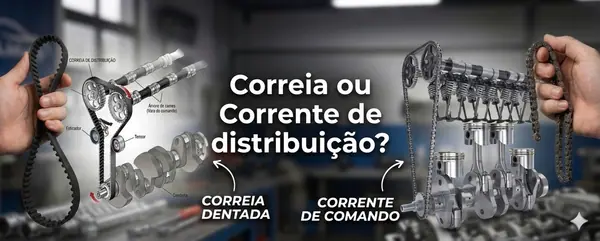
To understand why this component is so crucial, you first need to understand what it actually does. The timing belt is essentially the "synchronized heart" of your engine. It is a heavy-duty, toothed belt usually reinforced with materials like Kevlar, fiberglass, or highly durable nylon, designed to connect the engine's crankshaft to the camshaft (or camshafts). It is the component strictly responsible for ensuring that the engine's valves open and close at the exact right millisecond in relation to the up-and-down movement of the pistons.
Modern Peugeot engines, like most highly efficient powerplants today, are "interference engines." This means that the valves and the pistons share the exact same physical space inside the cylinder, just at different times. If the timing belt snaps, skips a tooth, or completely fails, the synchronization is instantly lost. The heavy metal pistons will crash upwards into the open valves at thousands of revolutions per minute. A failure of this belt doesn't just mean a sudden breakdown on the side of the highway; in the vast majority of cases, it means the complete and catastrophic destruction of the internal engine components. You won't just need a tow truck; you will need a complete engine rebuild or replacement, resulting in a repair bill that can easily exceed several thousands of euros. Given the immense popularity of the different engine variants of the Peugeot 208 in Portugal, it is fundamental to separate the specific replacement intervals, technical quirks, and care requirements according to the exact type of engine your chosen car uses.
The Highly Discussed 1.2 PureTech Engine (Petrol): The BiO Technology
The vast majority of petrol-powered Peugeot 208s sold in recent years (especially from 2014 onwards) are equipped with the three-cylinder 1.2 PureTech engine. On paper and in practice, this engine is brilliant. It has won multiple "Engine of the Year" awards for its outstanding efficiency, punchy power delivery, low emissions, and excellent fuel economy. However, it features a very specific and controversial technical design: it uses a "wet belt" or Belt in Oil (BiO) technology.
In a traditional engine, the timing belt runs completely dry on the outside of the engine block, protected by a plastic cover. In the 1.2 PureTech, the timing belt operates inside the engine block, continuously lubricated by the engine oil itself. The engineering logic behind this was sound: running the belt in oil reduces mechanical friction, lowers engine noise, improves fuel consumption, and theoretically extends the lifespan of the belt.
The Chemistry of Failure: Why Urban Driving Harms the PureTech
While the engineering theory was great, the reality of everyday driving—especially urban traffic in Portugal—dictated completely different rules. The primary enemy of the wet belt is fuel dilution and oil contamination. When a car is driven exclusively on short urban trips (like commuting 5 kilometers across Lisbon), the engine oil never reaches its optimal operating temperature. Because the engine runs rich (injects more fuel) when cold, tiny amounts of unburnt petrol inevitably slip past the piston rings and mix with the engine oil.
Petrol, and particularly the ethanol blended into modern fuels, acts as a solvent. When this contaminated oil continuously bathes the rubber timing belt, it initiates a chemical degradation process. The fuel prematurely breaks down the structural integrity of the rubber. The belt begins to swell, soften, and eventually fray. As the belt delaminates, it releases hundreds of tiny rubber fragments directly into the oil pan. These sticky rubber shards get sucked up by the oil pump and eventually completely clog the oil pump strainer. Once the strainer is blocked, the engine is starved of oil pressure, triggering a cascading failure of internal components.
Revised Maintenance Schedules and Strict Oil Requirements
Initially, Peugeot (and the broader PSA/Stellantis Group) recommended replacing this wet belt every 175,000 kilometers or 10 years. However, due to the widespread issues caused by oil contamination, the brand drastically revised the intervals for the European market to protect consumers. Currently, the official and safe recommendation for changing the timing belt on the 1.2 PureTech engine is every 100,000 kilometers or every 6 years—whichever comes first.
Even more importantly, routine maintenance requires extreme precision. It is absolutely vital and mandatory to only use engine oil with the exact Peugeot/Stellantis specification (usually PSA B71 2312 or the newer B71 2010 standards for 0W-20/0W-30 oils) during your annual services. Using generic or incorrect oil introduces chemical additives that can further accelerate the corrosion and swelling of the belt.
The Diesel Engines: 1.4 HDi, 1.6 BlueHDi, and 1.5 BlueHDi
If your driving preference leans towards diesel, which remains very common in Portugal for those taking long daily commutes on highways or frequent road trips, the rules are quite different and somewhat more traditional. Peugeot's diesel engines have a long-standing reputation for incredible robustness, torque, and highway longevity.
For the older diesel blocks (such as the highly reliable 1.4 HDi or the first-generation 208's 1.6 e-HDi and BlueHDi), the timing belts run dry and are exceptionally durable. The manufacturer's recommendation for belt replacement is usually around an impressive 175,000 kilometers to 180,000 kilometers, or every 10 years.
For the more modern 1.5 BlueHDi engine (introduced in later models to meet stricter Euro 6 emissions standards), the main timing belt also boasts a very long service interval of around 150,000 kilometers. However, buyers must be aware of a specific quirk with this modern diesel. While the main belt connects the crankshaft to the exhaust camshaft, the 1.5 BlueHDi uses a small internal timing chain to synchronize the intake camshaft with the exhaust camshaft. In earlier versions of this engine, this small 7mm chain was prone to stretching or snapping. Peugeot later upgraded this to an 8mm chain in revised engines. Therefore, while the main rubber belt is reliable, this internal chain requires close monitoring by a specialized mechanic.
Symptoms That Something is Wrong: Warning Signs to Never Ignore
How do you know if the timing belt is at risk before the official deadline? If your Peugeot 208 suddenly displays the red "Oil Pressure Warning" light on the dashboard, accompanied by an alarm chime, you must stop the car immediately in a safe location and turn off the engine. Do not attempt to drive even one more kilometer to a garage; call a tow truck. In the case of the PureTech engines, a sudden drop in oil pressure is the classic, definitive symptom that the timing belt has disintegrated and effectively clogged the engine's entire lubrication system.
Another highly specific warning sign for the PureTech engine is a sudden loss of braking assistance. The engine's vacuum pump, which powers your brake booster, runs off the camshaft and shares the same oil supply. If rubber debris clogs the vacuum pump's oil feed, the pump fails, and your brake pedal will suddenly become incredibly hard to push. Other general signs of timing belt issues include atypical metallic rattling noises coming from the right side of the engine bay, a sudden and unexplained loss of engine power, rough idling, or the check engine light illuminating with timing-related diagnostic trouble codes (such as P0011).
Used Car Buying Guide: Protecting Your Investment
Preventive maintenance is the absolute key to the longevity of any Peugeot 208. When considering buying a used model in the Portuguese market, you must be a proactive and informed buyer. Always demand to see the physical service book or detailed garage invoices proving that the timing belt was changed within the correct timeframe. This is especially critical if the car is over 5 years old or is nearing the 90,000-kilometer mark.
For the 1.2 PureTech specifically, a trained mechanic can actually measure the health of the belt without taking the engine apart. By opening the oil filler cap, they can visually inspect the top of the wet belt. Stellantis even provides dealerships with a specialized measuring gauge—a small metal tool that slips through the oil filler hole to check the width of the belt. If the belt has swollen beyond the tolerance of the gauge, it means the rubber is degrading and the belt must be replaced immediately, regardless of the car's age or mileage. Do not let a routine, albeit expensive, maintenance part turn your exciting car purchase into a financial nightmare. Take your time, do your research, and always opt for a pre-purchase inspection by a qualified professional.
Make the Right Choice for Your Garage
Before you finalize your decision to buy a Peugeot 208, remember that your peace of mind behind the wheel is priceless. Your peace of mind behind the wheel is priceless. If you are looking for the next vehicle for your garage with complete safety and transparency, visit AUTO.MOTO.pt right now. Our platform is the premier destination in Portugal to securely buy and sell cars and motorcycles. Find your next car today at AUTO.MOTO.pt!