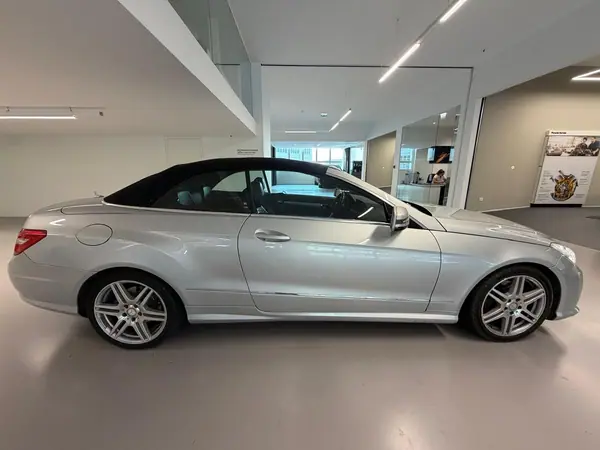
Mercedes-Benz has traditionally been associated with the premium segment, sophisticated German engineering, and a high degree of development independence. However, even a brand of this stature does not always find it profitable to develop every component from scratch — especially when it comes to niche versions or more affordable models. Since 2010, the company signed a very comprehensive agreement with the Renault-Nissan-Mitsubishi Alliance. Through this partnership, some compact Mercedes models and selected commercial vans received engines manufactured in France.
The justification behind the agreement was quite pragmatic: to significantly reduce development and certification costs for small engines without damaging the brand image or compromising driving performance. In return, Renault gained access to various advanced Mercedes technologies (including certain safety systems, transmissions, and electronics). The engines themselves underwent significant modifications: the control software, intake and exhaust systems, and accessories were changed, and vibration and noise insulation was reinforced — all to meet Mercedes' strict requirements for comfort, reliability, and emission standards (starting from Euro 6).
Renault-Nissan supplied gasoline and diesel engines with 3 and 4 cylinders (mainly 1.2 to 1.6 liter families), while Mercedes adapted these power units with its own calibrations, new intake/exhaust systems, reinforced peripherals (pumps, alternators, mounts), electronic management software, and materials to reduce vibrations and noise — everything needed to maintain the “Mercedes” level of refinement. In exchange, Renault received access to advanced Mercedes technologies (including transmission know-how, safety features, and some electrical components), and Daimler began using Alliance platforms in compact smart models and some Renault/Twingo vehicles.
The most visible result for the public were the M282 (1.3 turbo gasoline) and OM608 (1.5 diesel) engines, which equipped various Mercedes compact cars from 2018 until the mid-2020s.
Main Renault engines used by Mercedes
1.3 turbo gasoline engine (Mercedes code M282 / Renault H5Ht). This is the most emblematic and longest-lasting case of the partnership.
- Common power outputs: 136–163 hp (A 200, GLA 200, etc.), reaching up to 224 hp in more powerful mild-hybrid versions.
- Features: direct injection, turbo, timing chain, aluminum block.
- Production: largely in Germany (MDC Power plant in Kölleda), with Mercedes final calibration and assembly.
- Real-world consumption: typically 6–7.5 l/100 km in mixed use, depending on the model and driving style.
- Reliability: considered very good when properly maintained (oil change every 10–15 thousand km with the correct 0W-20 or 5W-30 oil meeting Mercedes specification). Rare issues involve the accessory belt or sensors, but nothing systematic. Many owners report that the engine is smooth, quiet, and economical — qualities that Mercedes managed to extract very well from the Renault base.
1.5 dCi diesel engine (Renault code K9K / Mercedes OM608)
- Power outputs: 95–116 hp (A 180 d, B 180 d, CLA 180 d, etc.).
- Consumption: impressive 4.5–5.8 l/100 km on the highway.
- Used mainly between 2018 and 2020–2022 (later replaced by the in-house OM654 diesel in many markets).
- Advantages: very high durability (many examples exceed 300–400 thousand km with regular maintenance), cheap parts, and wide service network (thanks to Renault).
- Perceived disadvantages: slightly higher vibration and noise levels compared to pure Mercedes diesels, although the adaptations improved this significantly.
Mercedes models that used (or still use) Renault engines
- A-Class (W176 — second generation, up to 2018) Diesel versions A 160 d, A 180 d → 1.5 dCi / OM607 or OM608. Some early gasoline versions also had influences.
- A-Class (W177 — third generation, 2018–2025) Gasoline: A 180, A 200, A 220, A 250 e (M282). Diesel: A 180 d (OM608 until ~2021). This was the model that most popularized the partnership.
- B-Class (W246 and W247, up to 2025) B 180, B 200, B 220, B 250 (M282). Diesel B 180 d (OM608 in early units).
- CLA (C117 and C118/C119) CLA 180, CLA 200, CLA 220, CLA 250 (M282). Diesel CLA 180 d / 200 d (OM608 in the beginning).
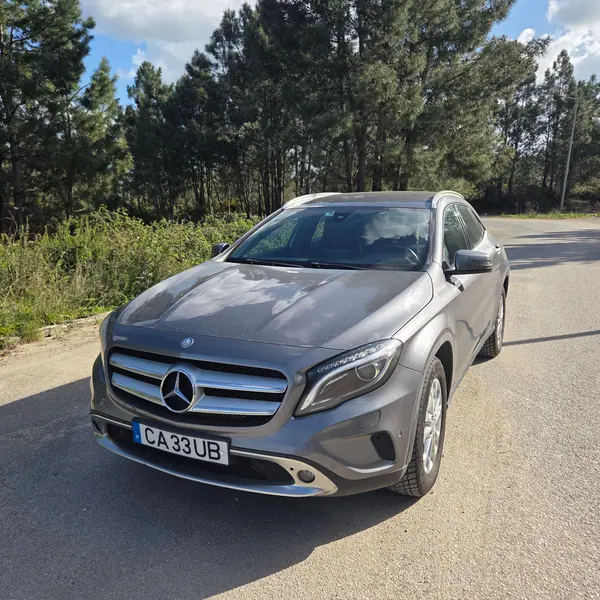
- GLA (H247, second generation) GLA 200, GLA 250 e (M282). Diesel GLA 180 d (OM608 until ~2021–2022).
- GLB (X247) GLB 200 (M282 in entry-level versions).
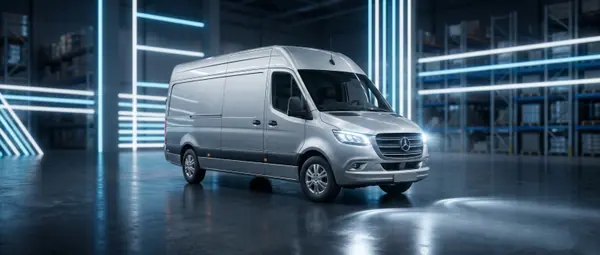
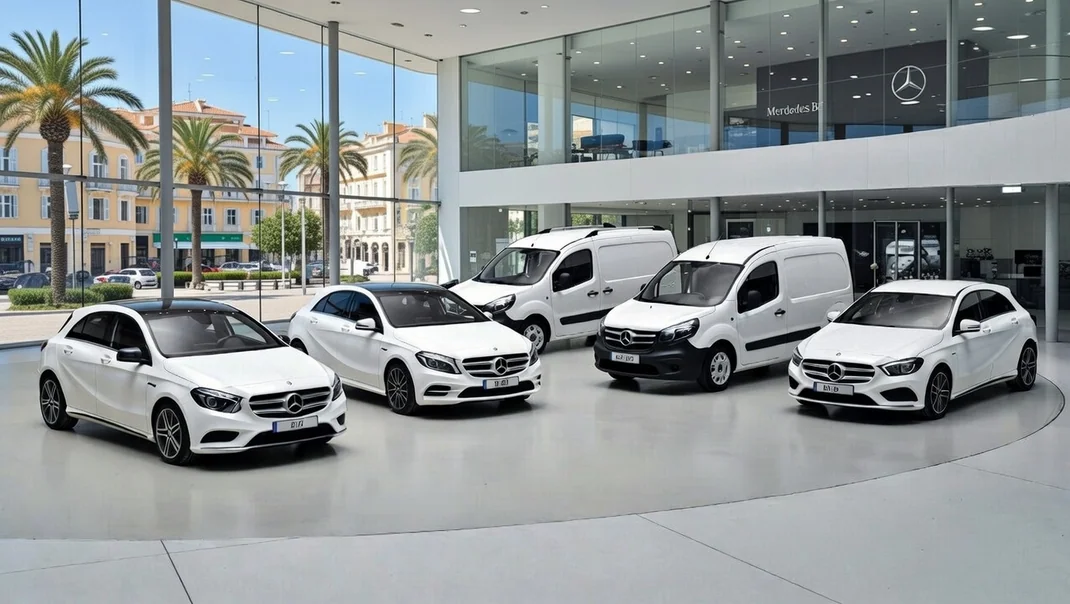
- Citan (W415, since 2012) Van directly derived from the Renault Kangoo. All diesel versions (108 CDI, 110 CDI, 112 CDI, etc.) used the 1.5 dCi. Production ended in 2026, with no direct Renault-engined successor.
- Vito (early generations post-2010) Some basic entry-level versions had the Renault 1.6 dCi diesel, but quickly switched to in-house OM651 and OM654 engines.
Why the partnership ended (or was greatly reduced)?
From 2023–2025, Mercedes began replacing these engines with in-house options or new partners:
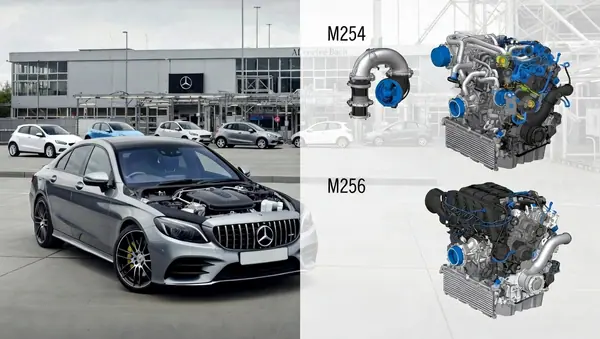
- New in-house combustion engines (OM654q diesel family, M254/M139 gasoline, etc.).
- Partnership with Aurobay (Geely-Volvo joint venture) for efficient hybrid and gasoline engines.
- Full focus on electrification: MMA (new modular platform for compacts), MB.EA, electric vans, etc.
In 2026, virtually no Renault engines remain in new Mercedes passenger cars. The Citan was the last holdout, but it has been discontinued. The transition reflects the brand’s strategy: full control over the powertrain chain in an increasingly electric and regulated world.
Advantages and disadvantages for owners of a Mercedes with a Renault engine
Advantages
- More affordable purchase price (entry-level models).
- Very competitive fuel consumption and emissions.
- Cheap parts and maintenance (many components compatible with Renault, wide service network).
- Generally good reliability, especially the 1.3 M282.
Disadvantages
- Some prejudice (“A Mercedes with a Renault engine?”).
- Resale can be slightly harder in very “purist” markets.
- Slightly lower perceived refinement compared to 100% Mercedes engines (though the difference is small after adaptations).
Conclusion
The Mercedes-Renault collaboration was a pragmatic and successful decision in its time (2010–2025). It allowed Mercedes to strongly enter the compact premium segment without prohibitive costs, while helping Renault gain technological credibility. Models like the A 200, GLA 200, and CLA 200 with the 1.3 turbo remain, even today, very balanced options on the used cars market — economical, comfortable, and durable.
In 2026, however, this chapter is closing. Mercedes is focusing on in-house, hybrid, and electric propulsion, while the passenger-car alliance with Renault has dissolved. For those looking for an affordable and efficient used Mercedes, examples with the M282 or OM608 engines are still very worthwhile — provided they have a documented service history. You can easily confirm the history with the VIN verification on AUTO.MOTO.PT.