Here is the English translation of the article. I have kept the specific references to Portugal (like the A1 highway and the local market context) to maintain the relevance for your specific audience.
Not a Plane, Not a Sports Car: The Surprising Story of the First BMW Car
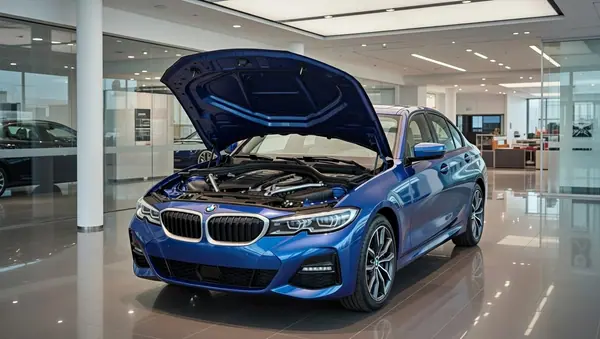
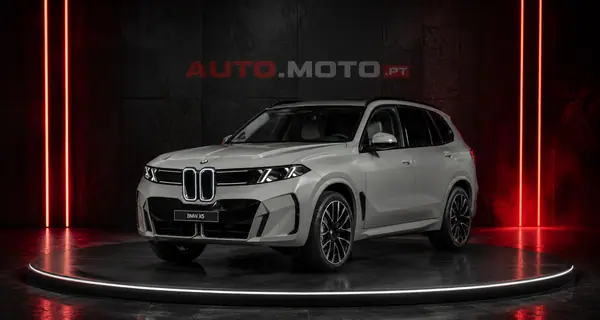
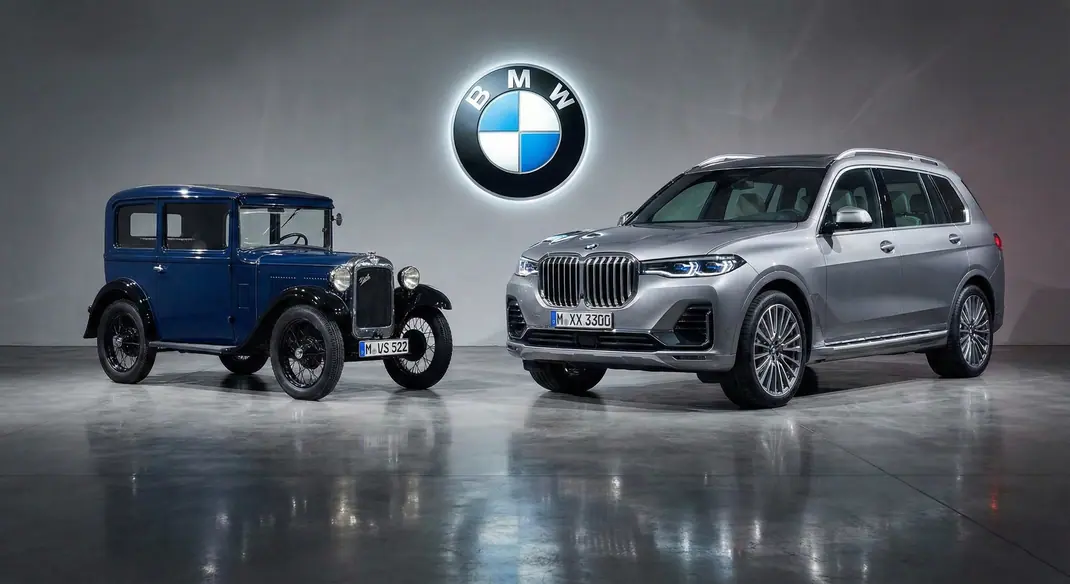
Today, seeing the powerful BMW X5s or the fast Series 4s traveling the A1 highway from Lisbon to Porto, it is hard to imagine that this Bavarian giant once fought for survival by manufacturing pots, pans, and train brakes.
Many fans of the brand in Portugal still believe the beautiful myth that the BMW logo is a spinning airplane propeller. In reality, they are the colors of the Bavarian flag, but there is a grain of truth in the "aerial" legend. The company started with aircraft engines, but the Treaty of Versailles, after World War I, banned Germany from producing them. To avoid bankruptcy, BMW had to come down from the skies to the earth. First to two wheels, and then to four.
From Motorcycles to a Foreign License
By the mid-1920s, BMW had already made a name for itself thanks to motorcycles (like the legendary R32). But management realized: the future was in automobiles. However, the company had neither the time nor the money to develop its own car from scratch.
The solution appeared in 1928, when BMW bought a factory in Eisenach that was already producing a small car called the Dixi. The most interesting part is that even the Dixi wasn't a German invention — it was a licensed copy of the British bestseller Austin Seven.
Thus was born the first car with the blue and white emblem on the hood.
BMW 3/15 PS: The Little One That Saved the Giant
The firstborn received the complex name BMW 3/15 PS DA-2, but the people continued calling it Dixi. It was the complete antithesis of modern "Bavarians":
- Power: Only 15 horsepower (hence the number 15 in the name).
- Engine: 749 cubic centimeters.
- Speed: Maximum of 75 km/h — and that's only if the wind was blowing in your favor.
- Brakes: Mechanical and only on the rear wheels (later added to all four).
No aggression, no famous front grille, and no sporting character. It was a simple, cheap, and reliable "little box" for the people. But that was precisely what made it a success. In times of economic crisis, Germans (just like Portuguese people today) were looking for economical transport. The BMW 3/15 consumed only 5–6 liters of gasoline, which for 1929 was an excellent figure.
The Birth of a Legend
BMW didn't limit itself to copying the English. German engineers quickly began improving the construction: they replaced the body with an all-steel one (previously wood and fabric were used) and improved the brakes. It was precisely with the 3/15 model, in 1929, that BMW won its first race — the International Alpine Rally. That was the moment when, in the modest utility vehicle, the sporting spirit we value so much in the brand today awoke.
A few years after the 3/15, the company would launch the model 303 (the first with the kidney grille) and the legendary 328 roadster, forever cementing its status as a manufacturer of elite cars. But without that modest 15-horsepower "little one," this empire might never have existed.
The Story Continues in Your Garage
From 15 horsepower to the electric monsters of the "i" series, BMW's path proves that forward movement is unstoppable. Today, if your intention is to buy a BMW, you don't need to look for compromises or licensed copies. The market in Portugal is full of offers: from vintage classics for Sunday drives to modern supercars.
Whether you are looking for your first model, a reliable motorcycle for the city, or want to sell a car with history for a profit — use the tool created for enthusiasts.
Thousands of offers and a convenient search await you. Find your legend at AUTO.MOTO.pt.