Let’s be brutally honest for a minute: buying new tires is rarely an exciting experience. Most of us would much rather spend our hard-earned money on a new smartphone, a weekend getaway, or even a nice dinner out. When the mechanic looks us in the eye and says, "Look, your front tires are practically bald," our first reaction is almost always a sharp pain in the wallet.
Then comes the dreaded question from the guy behind the counter: "Your size is 205/55 R16. What brand do you want to put on?" Suddenly, you're looking at a massive wall of black rubber. They all look exactly the same. They all have that new-rubber smell. But the prices wildly vary between 40 and 120 euros each. It's precisely at this moment that a huge number of drivers make a critical error: they just pick the absolute cheapest one to solve the problem and get on with their day.
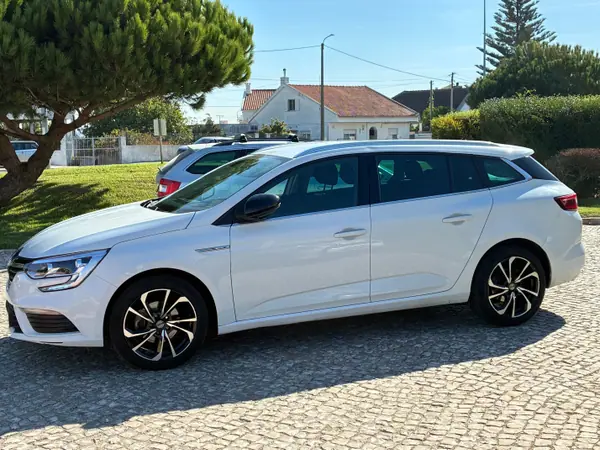
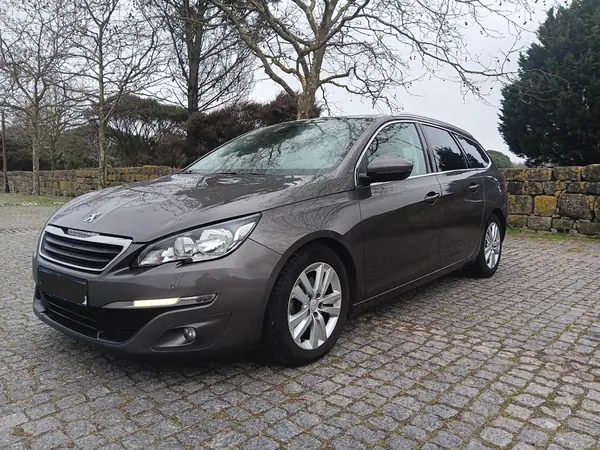
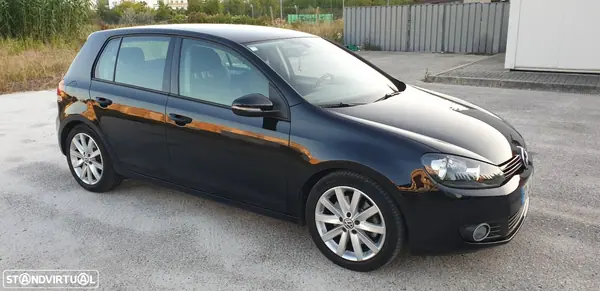
I completely understand the impulse, but I’m here to explain, driver to driver, why that specific decision can end up costing you much more than just money. The 205/55 R16 measurement is, by far, the most common tire size on European roads. If you drive a VW Golf, a Renault Megane, a Peugeot 308, or a Seat Leon, it’s highly likely that this is the "shoe" your car wears.
1. Decoding the Alphabet Soup: What is a 205/55 R16?
Do you think the numbers on the side of the tire are some kind of secret code for mechanics? They aren't. They are actually quite simple and tell you a whole lot about how your car behaves.
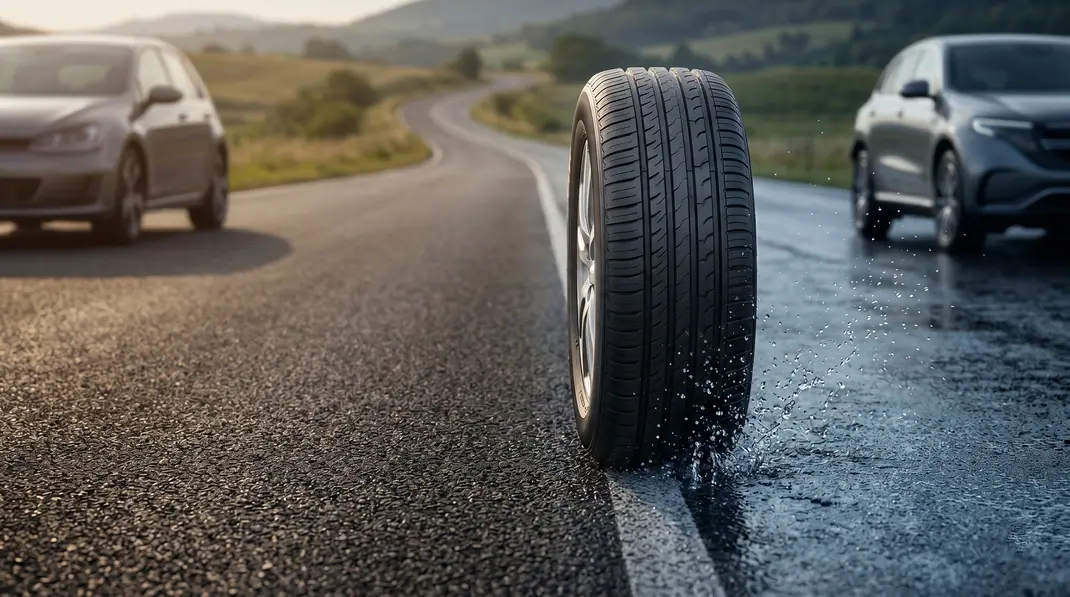
- 205: This is simply the width of the tire measured in millimeters. Meaning, the tire is 20.5 centimeters wide from side to side. It’s an excellent, versatile width. It’s wide enough to grip the road firmly when you are taking a tight corner, but thin enough to effectively "slice" through standing water when it’s raining heavily, preventing the car from acting like a boat and floating (the terrifying phenomenon known as aquaplaning or hydroplaning).
- 55: A lot of people mistakenly assume this is also measured in millimeters, but it isn't. It’s a percentage. It signifies that the height of the tire's sidewall (the part you unfortunately scrape against curbs) is 55% of the tire's width. In practical terms, that gives you about 11 centimeters of sidewall. This is widely considered the perfect profile: it has enough rubber and air to comfortably absorb potholes and sunken manhole covers (saving your spine and your suspension from taking a beating), but it’s not so tall and squishy that it makes the car feel like a ship rolling heavily in the roundabouts.
- R16: The "R" simply stands for Radial (which dictates how the internal steel belts are constructed, and nowadays is the universal standard for passenger cars). The "16" is the inner diameter of the tire, meaning it is designed to fit on a 16-inch wheel rim.
2. The Myth of "All Tires Are the Same" and the Pre-owned Market
If there is one thing that absolutely boggles my mind, it’s seeing someone spend thousands of euros on a sophisticated car packed with safety systems—latest-generation ABS, traction control, massive brake discs—and then slapping on the cheapest, flimsiest tires they can find on sale.
Think about it this way: your car likely weighs a ton and a half. When you are cruising at 120 km/h down the highway, the only thing keeping you glued to the asphalt, the only thing that is actually going to make your vehicle stop if a massive truck suddenly slams on its brakes in front of you, are four tiny patches of rubber, each roughly the size of the sole of your shoe.
You won't notice the difference between a high-end premium tire and a cheap, white-label budget tire (the ones with brands you can't even pronounce) when you're driving 50 km/h on a sunny Tuesday afternoon to the grocery store. Where you will notice it is at 90 km/h, on a dark November night, with torrential rain pouring down and the tarmac slick with oil. In rigorous tests conducted by the highly respected ADAC European automobile club, it has been repeatedly proven that a cheap budget tire can take 15 to 18 meters longer to stop in the rain than a high-quality premium tire. Do you know what 18 meters looks like? That’s the length of about four cars lined up bumper to bumper. That 18-meter gap is literally the difference between a scary moment with a racing heartbeat and a catastrophic accident that totals your vehicle.
This point becomes incredibly crucial when we start talking about the market for used cars. Whenever I go to help a buddy inspect a second-hand car he wants to buy, the very first thing I look at isn't the paint job, and it's not the odometer reading. I look straight at the tires. If the car is sitting on four good, premium brand tires with even tread wear, I instantly know that the previous owner wasn't "cheap" when it came to maintenance. If the car has four different mismatched brands of tires, all of them bald or cracked from the sun, it’s a glaring red flag that the car has been neglected. Tires tell the true story of a car's maintenance life.
3. How to Read the European Tire Label Like a Pro
When you go shopping for new tires, you will notice they come with a colorful sticker that looks exactly like the energy rating sticker on your kitchen refrigerator. This is the official European Tire Label, and it provides three pieces of golden information:
- The Gas Pump (Rolling Resistance): This is graded from A to E. Basically, a tire with an 'A' rating rolls much more easily along the road. Less friction means your engine doesn't have to work as hard, which means it burns less fuel. The physical difference between an A and an E rating can reach up to half a liter of fuel saved for every 100 km you drive. That might sound like small change, but do the math over a 40,000-kilometer lifespan, and you'll quickly realize that the slightly more expensive Class A tire literally paid for itself in saved gas money.
- The Cloud and Rain (Wet Grip): This is the absolute most important safety rating. If you can afford it, never buy anything rated below a 'B'. This specific letter dictates whether your car is going to stop in time before hitting a wet pedestrian crosswalk.
- The Loudspeaker (Exterior Noise in Decibels): You might think tire noise doesn't really matter, but if you frequently take long highway road trips with your family, the difference between a 68 dB tire and a 72 dB tire is absolutely massive. (Remember, the decibel scale is tricky; 3 extra decibels actually means the physical noise level has doubled!). A quiet tire means you arrive at your destination with your ears ringing far less, making the drive significantly less exhausting.
4. The Best 205/55 R16 Tires: The Opinion of the Testers
I’m not going to throw an endless, confusing list at you. We are going to focus on the heavyweights that truly dominate the market and consistently top the charts of deep-dive testing entities like Tyre Reviews. In the premium category, there are four major brands that are always locking horns for the number one spot, but each one has its very own distinct "personality."
Continental PremiumContact 7: The King of Safety
If your primary concern is stopping fast and feeling like the car is physically "glued" to the road, look no further. Continental launched the 7th generation of this tire with a unique compound called RedChili. Translating that into everyday driver language: most tires need to roll on the road for a few miles to heat up before they start gripping well. The PremiumContact 7 does not. It grips the freezing asphalt right out of your driveway, even on a frosty winter morning. It is an incredibly safe tire, boasting excellent cornering behavior. The only "catch"? Because the rubber is so incredibly focused on sticky grip, it might wear out slightly faster than some of its harder-compound rivals.
Michelin Primacy 4+: The Marathon Champion
Michelin operates under an incredible engineering philosophy: they know it’s easy to make a tire perform well when it’s brand new, but they want it to stay safe when it's going bald. The Primacy 4+ was designed (using their EverGrip technology) so that the water-evacuation channels actually widen as the rubber wears down. What is the massive advantage here? This is arguably the longest-lasting tire on the market. It might be the most expensive one when you swipe your credit card at the mechanic's shop, but in the long run, it is actually the cheapest. While your neighbors are replacing their budget tires at 35,000 km, your Michelin will comfortably and safely push past 50,000 km. For people who drive high mileages every year, this is an absolute no-brainer.
Goodyear EfficientGrip Performance 2: The Money Saver
As the name clearly indicates, the focus here is ultimate efficiency. Goodyear engineered a highly elastic rubber compound that handles the harsh abrasion of the asphalt brilliantly. Not only does it last almost as long as the Michelin, but it also has one of the lowest, most efficient rolling resistances on the market. If you want to literally watch your car's average fuel consumption drop on your dashboard screen, this is the right bet. It’s a very balanced tire, extremely comfortable over bumpy roads, and heavily helps you save money at the gas pump.
Bridgestone Turanza 6: The Quiet, Modern Option
Bridgestone launched the Turanza 6 recently, going all-in on something they call Enliten technology. Basically, they figured out how to make the tire significantly lighter in weight. This is fantastic for the car's handling dynamics. But where this specific tire truly shines is in its rolling silence and the absurdly efficient way it pumps water out of the way (it proudly holds an 'A' rating in wet grip). It is so wonderfully quiet that it has quickly become the favorite tire for drivers of hybrid and fully electric vehicles, where there is no loud engine noise to hide the annoying "hum" of the tires on the highway.
5. What if the Wallet is Tight? The Smart (Mid-Range) Options
I know very well that it isn't always possible to casually drop 400 or 500 euros on a full set of four Michelins or Continentals. Life happens. But just because you are on a tighter budget doesn't mean you have to scrape the bottom of the barrel and buy those dubious, hard-plastic budget tires.
The best-kept secret of the current automotive market is the South Korean brands. They offer wonderful, safe products at a fraction of the premium price.
- Hankook Ventus Prime 4: If you want the absolute best "bang for your buck," this is it. Hankook is already an official factory-installed brand on new Audi and BMW cars. The Ventus Prime 4 boasts wet and dry handling that is incredibly close to the premium leaders, but its price tag frequently hovers around a very reasonable 65 to 75 euros. It is, without a doubt, the most rational purchase on the market right now.
- Kumho Ecsta HS52: Another excellent option from South Korea. It is highly comfortable, very predictable in the rain, and absolutely perfect for the family car that just does the daily home-to-school-to-work commute.
6. Summer, Winter, or All-Season Tires in Portugal?
This is a classic question. In countries like Portugal (and similarly mild climates), we refer to normal tires as "Summer Tires." And honestly, for 95% of the country, that is exactly what you should buy. A summer tire works perfectly in temperatures above 7ºC (45ºF), and in Portugal, we rarely spend much time below that, except in very specific mountainous regions.
However, if you live in the deep north, high in the mountains, or frequently drive into central Europe during the winter where morning ice is a real threat, All-Season tires are getting incredibly good. The Michelin CrossClimate 2 is a prime example of a tire that means you don't need to put on snow chains if you drive up into the snowy mountains, but it also won't melt into the tarmac during the scorching August heat. To attest to their safety in extreme conditions, testing organizations like TÜV SÜD perform exhaustive tests on these multifaceted compounds, confirming their true effectiveness.
7. How to Destroy a Good Tire in 6 Months (And How to Avoid It)
Buying the greatest tire in the world is completely useless if you don't take care of it. I see dozens of drivers committing these two fatal mistakes that absolutely empty their wallets:
- Ignoring Air Pressure: Driving with your tires under-inflated causes the sidewalls to crush under the car's weight. The tire dangerously overheats on the inside, the car burns more fuel because it's "dragging," and worst of all: the tire can literally blow out on the highway. On the flip side, over-inflating them makes the car bounce like a basketball and wears out only the very center of the tread in just a few months. Check your car's manual, go to the gas station, and check the pressures (while the tires are cold!) once a month. It costs zero euros and literally saves lives.
- Hitting Curbs and Ignoring Alignment: Did you park "by ear" and smack the curb hard? Or did you hit that massive pothole the city is taking too long to fix? It's highly likely you knocked your steering alignment out of whack. A car with bad alignment is invisibly "dragging" the tire sideways across the asphalt as you drive straight. By the time you notice it, the tire looks brand new in the middle but is completely, dangerously bald on the inner or outer edges. Every 15,000 km, go get a laser alignment. It’s cheap, and it makes your tires last twice as long.
8. Tires: The Detail That Sells Your Car
At the beginning of this article, I mentioned how important tires are when buying cars. The exact same rule beautifully applies when you are trying to sell yours. If you are thinking about upgrading and putting your current vehicle into the bustling market for used cars, you need to know that serious potential buyers, and the mechanics they bring with them, always look at the wheels first.
Presenting a car sitting on four premium tires (like Continental, Michelin, or Bridgestone) with a decent amount of tread left demonstrates a deep level of mechanical care that gives you every right to refuse to lower your asking price. It is an argument of absolute authority. A car with great tires transmits trust and immediately conveys the idea that "the engine and the oil changes must have been treated just as well as the shoes." It is an upfront investment that heavily returns to your pocket in the final sale value.
9. The Verdict: Which is the Perfect Tire for You?
If you have read this far, you have already realized that there is no magical tire that is the absolute best for everyone. It highly depends on your daily life, your driving style, and your wallet. Let’s make it incredibly simple:
- For the safety-obsessed and those who love cornering: Go straight for the Continental PremiumContact 7. It is like glue on the tarmac.
- For high-mileage drivers who hate visiting the mechanic: The Michelin Primacy 4+ is your absolute best friend for the long haul.
- For maximum fuel savings (and hybrid drivers): Bet confidently on the Goodyear or the whisper-quiet Bridgestone Turanza 6.
- For the tight wallet that demands safety without the premium price: The Hankook Ventus Prime 4 is currently unbeatable when it comes to the price-to-quality ratio.
Do not undervalue the tires on your car. Your physical safety, the safety of your family, and the safety of everyone sharing the road with you literally depends on that black rubber. Treat them well, and invest smartly.
And speaking of smart deals, whether you are actively looking for the perfect, well-maintained vehicle, or you intend to sell your current car on a highly trusted portal that reaches thousands of buyers every day, you don't need to drive around in circles. The right place is just one click away.