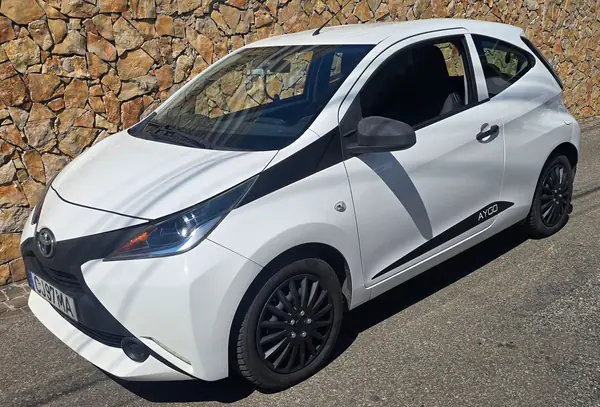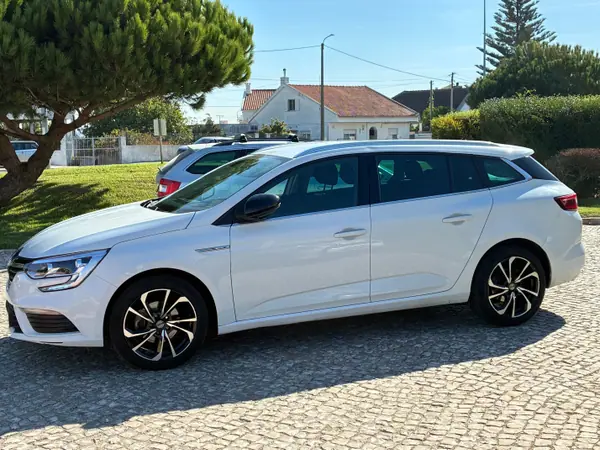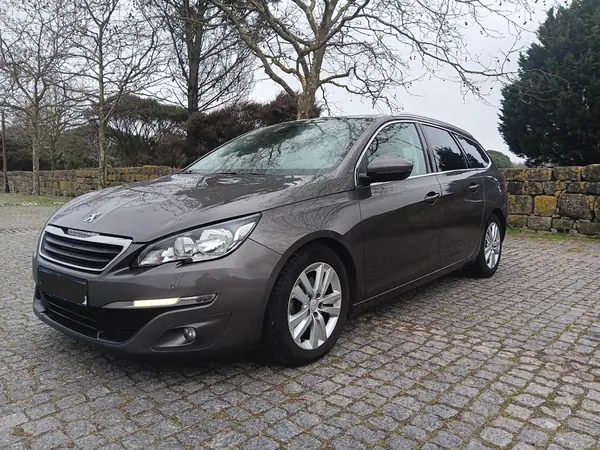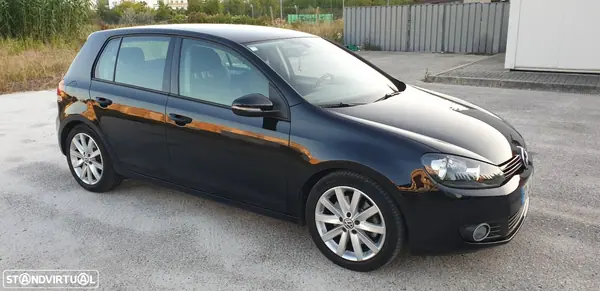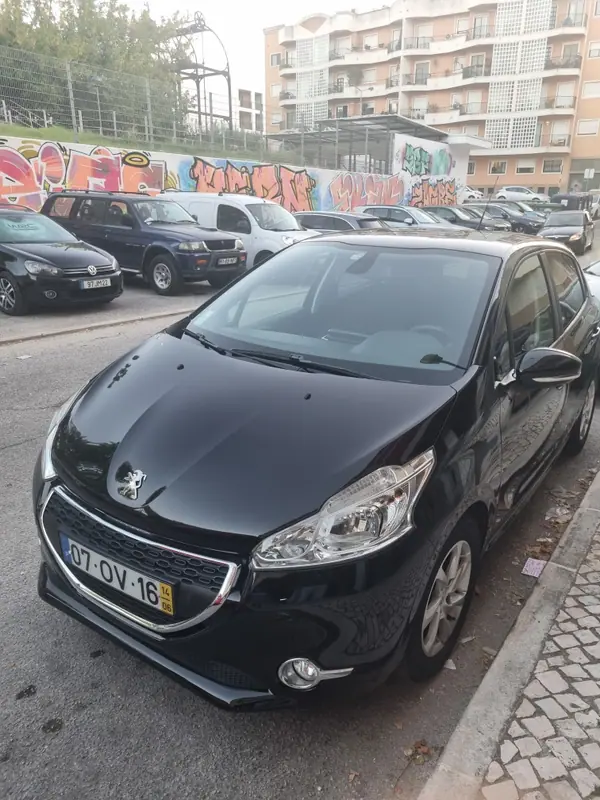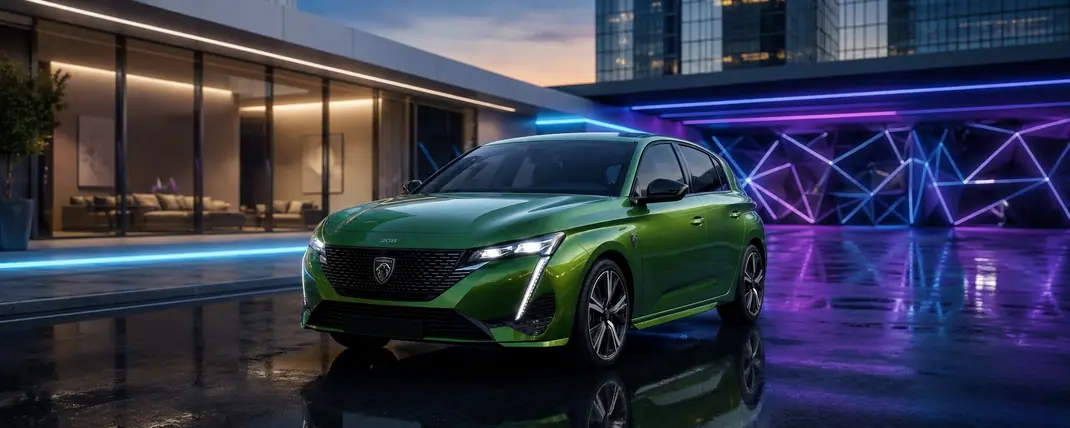
Before we dive deeply into the highly refined engineering and the practical, day-to-day details of this specific vehicle, it is absolutely vital to make a small but mechanically and conceptually important clarification. Frequently, due to the immense load capacity and pure bulk volume of some of its larger variants, there are those who mistakenly confuse this model with a light commercial vehicle, a minibus, or a heavy transport van (a "bus"). To be strictly technically precise, this automobile is emphatically not a commercial van, nor is it a minibus. It is, in fact, a brilliant, highly capable C-segment passenger automobile (a compact family car), which gracefully unfolds into two main body styles: the classic five-door hatchback and the exceptionally versatile Station Wagon (SW). Its core engineering is completely focused on supreme comfort, sharp driving dynamics, and intelligent space management, without ever assuming the harsh, rigid platform architecture of a strictly commercial cargo vehicle.
Throughout its three highly distinct generations (the T7 launched back in 2007, the multi-award-winning T9 of 2013, and the current, boldly aggressive P51 launched in 2021), the French brand has consistently raised the industry standard, actively competing on equal footing with dominant German giants. If you are deeply analyzing the massive market for used cars, this specific model very frequently emerges as one of the absolute most rational, comfortable, and fuel-efficient options available on the continent. In this exhaustive, highly technical guide, we are going to definitively answer the most pressing mechanical questions posed by current owners and highly motivated future buyers.
How much does a Peugeot 308 cost?
The financial market value of this vehicle fluctuates dramatically and predictably based entirely on the specific generation, the accumulated mileage, the trim level (ranging from Access, Active, and Allure, up to GT Line and pure GT), and the specific type of engine installed. The peugeot brand has historically always offered a tremendously vast array of mechanical options, which heavily fragments the used pricing tables.
For brand-new vehicles (the P51 Generation, showing zero kilometers on the odometer), dealership prices across the European market generally begin strictly in the ballpark of €28,000 to €30,000 for the entry-level petrol versions (equipped with the PureTech 130 engine) featuring base equipment. If you choose to heavily upgrade to the highly advanced Plug-in Hybrid (PHEV) powertrains boasting 180 or 225 hp, or to the brand-new 100% electric iteration (the E-308), the final invoice can incredibly easily scale up to dizzying values between €40,000 and €48,000.
However, it is precisely within the second-hand, pre-owned market that the true financial magic ultimately happens. When we closely examine the extensive listings of used peugeot cars, the typical, steep initial depreciation inherent to French brands completely transforms this model into an extremely attractive, highly rational financial deal.
- A well-maintained unit from the T9 generation (Phase 1, manufactured roughly between 2014 and 2017) securely equipped with the bulletproof 1.6 BlueHDi engine, can easily be acquired for very friendly values hovering between €9,000 and €13,000.
- If you actively seek something considerably more recent (Phase 2 of the T9 generation, built between 2018 and 2021) featuring the highly modernized 1.5 BlueHDi engine and the fully digital instrument cluster (the updated i-Cockpit), market prices naturally oscillate tightly between €15,000 and €20,000.
- If your absolute primary objective is securing maximum interior physical volume, the heavily sought-after used peugeot 308 cars in the SW (Station Wagon) configuration usually demand a very slight financial premium of roughly €1,000 to €1,500 over the short hatchback version—a monetary value that is perfectly and entirely justified by the massive, cavernous rear boot.
What is the engine of the Peugeot 308?
The diverse mechanical offering is one of the absolute, fundamental pillars of this model's massive success, comprehensively covering practically every single conceivable need of the modern driver, from grueling, endless highway journeys to pure, stop-and-go urban city driving.
Petrol Engines (PureTech): The mechanical backbone of the modern petrol offering is the globally renowned 1.2 PureTech engine block. This is a highly engineered, 3-cylinder inline engine, heavily turbocharged, and featuring highly precise direct fuel injection. Depending strictly on the specific software configuration and the year of manufacture, this block pushes out either 110 hp or a punchy 130 hp. Despite its surprisingly diminutive physical size, the torque delivered at very low engine RPMs is highly surprising, guaranteeing a very agile, responsive driving experience. Much older versions (the T7 generation) also heavily relied on the famous 1.6 THP engine block (brilliantly developed in a massive joint partnership with BMW), posting power figures that could easily reach 205 hp in the sporty GT versions or an absolutely staggering 270 hp in the legendary, highly coveted GTI version.
Diesel Engines (HDi and BlueHDi): The French brand is historically and universally revered for its absolute mastery in engineering diesel engines. The previous generation relied extremely heavily on the legendary 1.6 HDi and BlueHDi blocks, boasting power outputs of 92, 100, 115, and 120 hp. It was an incredibly frugal, mechanically robust engine. To successfully comply with the drastically more demanding and strict emission norms heavily stipulated by the ACEA (European Automobile Manufacturers' Association), this block was subsequently completely replaced by the much more modern, highly refined 1.5 BlueHDi, which typically delivers 130 hp, brilliantly combining excellent acoustic cabin refinement with astonishing fuel consumption figures that can incredibly easily drop well below 4.5 l/100 km on open, flat highways. For the top-tier GT fleet versions, there also existed the massively powerful 2.0 BlueHDi pushing out 150 or 180 hp.
Plug-in Hybrids (PHEV) and Electrics: In the highly aggressive current generation, traditional thermal combustion engines are heavily supplemented by advanced Plug-in Hybrid systems, which intelligently combine a 1.6-liter petrol engine (putting out 150 or 180 hp) with a highly potent 81 kW electric motor, resulting in massive combined system outputs of 180 hp or 225 hp. These heavy versions allow for highly efficient 100% electric driving ranges hovering around the 60 km mark. The absolute cherry firmly on top of the cake is the brand new E-308, completely electric, featuring a 156 hp motor fed by a dense 54 kWh battery pack.
What is the horsepower (hp) in the Peugeot 308 SW models?
The highly versatile Station Wagon (SW) variant is the absolute, undisputed favorite choice of large families and demanding professionals who must constantly travel heavily loaded. Thanks to a physically elongated, highly optimized chassis, the rear boot volume reaches massive figures in the range of 610 to 660 liters (depending strictly on the exact generation), aggressively rivaling vehicles from much higher, more expensive segments, fully explaining exactly why some people, entirely erroneously, equate its cavernous capacity to that of a commercial van or "bus".
The horsepower (hp) clearly available in the SW version almost entirely mirrors the exact mechanical offering of the standard 5-door hatchback version, simply because they intimately share the exact same underlying platform and mechanical hardware:
- Petrol: The absolute most common petrol SW versions on the road base themselves securely on the 1.2 PureTech engine producing either 110 hp or 130 hp. In the past, the 1.6 THP version offered punchy options of 150 hp, 205 hp (for the sleek GT version) and even the extremely rare and highly coveted SW GTI in the European market boasting a massive 225 hp.
- Diesel: The massive corporate fleet market absorbed diesel-powered SWs in staggering quantities. You can easily find horsepower ratings of 92 hp, 100 hp, 115 hp, and 120 hp within the older 1.6 HDi/BlueHDi block. The highly modern 1.5 BlueHDi block solidly delivers 130 hp. For those drivers who desperately need frequent, heavy towing capacity, the 2.0 BlueHDi versions reliably deliver 150 hp or a very strong 180 hp brilliantly mated to the smooth EAT8 automatic gearbox.
- Hybrids (PHEV): The highly modern, heavy rechargeable hybrid SWs are available in very high-performance tiers: 180 hp and 225 hp.
When to change the timing belt on the Peugeot 308?
This is, completely and indisputably, the single most highly critical mechanical question and the one issue that can cause the most severe, bank-breaking headaches for totally uninformed owners. The strict answer varies radically and violently depending entirely on the exact engine that currently powers the vehicle.
For the 1.2 PureTech (Petrol) engines: The highly specific engineering of this engine proudly utilizes a complex "belt in oil" (Wet Belt) technology. Originally, the brand confidently stipulated the replacement strictly at 10 years or 175,000 km. However, heavily due to highly documented, widespread problems of premature belt degradation (where tiny, abrasive rubber particles physically detached from the belt and lethally clogged the engine oil pickup strainer), the manufacturer issued highly urgent service bulletins drastically revising this timeline. Currently, to actively avoid the total, catastrophic destruction of the engine block, it is heavily recommended to medically inspect the belt at every single oil change and perform the rigorous physical replacement strictly every 6 years or 100,000 km (whichever milestone occurs first). It is absolutely crucial to strictly utilize only the exact, highly specific oil chemically recommended by the manufacturer, as using incorrect oils aggressively accelerates the chemical rotting and corrosion of the timing belt rubber.
For the HDi / BlueHDi (Diesel) engines: The heavy diesel blocks utilize much more traditional, incredibly robust dry timing belts.
- In the older 1.6 HDi engine, the factory maintenance schedule clearly points to a solid change strictly every 10 years or 180,000 km (or 140,000 km if the vehicle is subjected to highly intensive, stressful urban driving).
- In the much more recent 1.5 BlueHDi, the timing belt frequently has a highly specific interval firmly stipulated by the official Peugeot website in the steady region of 10 years or 150,000 to 160,000 km. Critical Note: The 1.5 HDi engine (specifically the iterations built prior to 2023) importantly also possesses an internal metallic chain that physically connects the two dual overhead camshafts; although originally engineered to be totally lifetime-durable, extreme caution and attention are highly recommended regarding any metallic "rattling" noises audibly originating from the very top of the engine block.
What is the recommended oil for the Peugeot 308 HDi?
Modern diesel engines, particularly the highly advanced HDi and BlueHDi generations, are physically equipped with extremely expensive and highly sensitive chemical exhaust gas treatment systems, most notably the DPF (Diesel Particulate Filter or FAP) and the complex SCR (Selective Catalytic Reduction) system.
Absolutely only one highly specific chemical type of oil can be safely utilized: Low SAPS oils (characterized by a very low content of sulfated ash, phosphorus, and sulfur). If you recklessly utilize a "normal", standard motor oil, the abrasive chemical ashes physically resulting from the normal burning of the oil in the cylinder will violently and completely clog the expensive Particulate Filter in a totally irreversible manner.
The highly strict required factory specifications:
- For the vast, overwhelming majority of the 1.6 HDi, 1.6 BlueHDi, and 2.0 BlueHDi engines, the absolutely sacred, uncompromising norm of the PSA group (now firmly known as Stellantis) is PSA B71 2290. The exact kinematic viscosity corresponding to this specific norm is generally 5W-30.
- For the much more modern, highly restrictive 1.5 BlueHDi engines (as well as for the very latest generation of the 1.2 PureTech petrol engines), the strict chemical requirement frequently shifts up to the vastly superior PSA B71 2312 norm. This advanced norm almost always tightly translates to an extremely fluid, highly advanced viscosity of 0W-30. This extremely high-tech, fully synthetic oil massively reduces the internal friction of the freezing engine on cold mornings and actively saves expensive fuel.
Major, highly reputable oil brands that strictly comply with these rigorous factory approvals include Total (the massive historical engineering partner of the brand), Castrol, Mobil, and Motul. Always strictly verify your specific vehicle's exact technical manual and the exact year of manufacture before physically proceeding with the oil service.
Where to put AdBlue in the Peugeot 308?
The complex BlueHDi system famously introduced the chemical additive AdBlue (a highly specific aqueous solution composed of 32.5% pure urea) to chemically neutralize and destroy deadly NOx gases in the exhaust. When the digital dashboard urgently warns that the fluid level is dangerously low, the physical replenishment must absolutely be completed before the electronic countdown completely reaches zero (if it reaches 0 km, the engine ECU is electronically immobilized and will absolutely not start due to strict European legal imperatives).
The exact physical location of the AdBlue filler neck depends, once again, entirely on the specific generation of your peugeot 308:
- T9 Generation (Phase 1 and part of Phase 2, roughly built from 2014 to 2018): In the noticeably older models, the engineering team did not successfully integrate the filler neck directly next to the diesel cap. To physically access the AdBlue cap, you must completely open the rear boot (trunk). Firmly lift the main carpet/floor of the boot, and, in the depressed area directly next to the heavy spare wheel (or the foam puncture repair kit), you will clearly find a large, round, black plastic cover. Upon twisting and completely removing it, you will directly see the main, bright blue cap of the AdBlue tank. Heavily use a proper, clean funnel or specialized bottles featuring an anti-drip valve system so as not to recklessly spill the corrosive urea directly inside the boot, because it dries, violently crystallizes, and permanently stains the interior fabrics white.
- Recent Models (End of T9 generation and the brand new P51 generation): Deeply listening to the highly vocal complaints of frustrated customers, the engineers smartly moved the location to a vastly more practical spot. Now, simply pull open the exterior side fuel filler flap (exactly where you normally pump the diesel). Right next to the main heavy fuel cap (which is frequently colored black or bright green), you will easily find a second, smaller cap, colored in a very bright, highly visible blue. This is exactly where you must insert the heavy AdBlue nozzle at the modern service stations. The internal tank usually swallows a total capacity ranging between 15 to 17 liters.
Where is the chassis (VIN) of the Peugeot 308?
When actively buying or selling vehicles within the fast-paced used market, the rigorous identification of the Vehicle Identification Number (VIN, the highly famous 17-character chassis number) is an absolutely critical, non-negotiable task required to deeply verify the true history of the car and legally validate the authenticity of the paper documents. The French brand highly conveniently places this vital alphanumeric number in three crucial, easily accessible locations:
- Windshield Window: The absolute fastest and easiest way to verify. Look very closely at the extreme bottom base of the front windshield, firmly standing on the outside of the vehicle, securely located in the lower left corner (on the driver's side). There exists a tiny, highly visible transparent rectangular window firmly cut into the dark tinted glass that clearly reveals the chassis number physically engraved onto a metal plate riveted directly to the top of the dashboard.
- B-Pillar (Identification Sticker): Pull open the heavy front door on the driver's side. Directly at the base of the B-pillar (the central vertical pillar of the car, precisely where the rear door latches closed), or occasionally on the actual metal base of the door itself, you will find a highly official, tamper-proof sticker. This critical sticker contains not only the full chassis number, but also the exact factory paint color code and the precise, mandatory tire pressures strictly recommended by the homologated brands—highly crucial data frequently utilized in independent crash tests by Euro NCAP.
- Engraved directly on the Engine Bay Metal: For the absolute, definitive legal verification fiercely demanded by strict road authorities and government inspection centers, the number is physically and deeply stamped directly into the solid steel structure of the vehicle. Pull the lever and fully open the heavy engine hood. The VIN is firmly engraved into the hard metal plate located immediately below the plastic windshield water drainage channel (the cowl), frequently situated right in a highly central zone, tightly against the thick metal firewall compartment that strictly separates the loud, hot engine from the quiet passenger cabin.
Where is the jack of the Peugeot 308?
A sudden, violent flat tire is the absolute silent panic of any long highway journey. In order to successfully locate the heavy physical lifting tool (the mechanical scissor jack) safely hidden inside your vehicle, you must immediately head to the rear boot.
The internal storage arrangement rigidly obeys a highly intelligent, space-optimizing structural logic. Heavily pull open the rear boot door, completely remove the rigid parcel shelf or the flexible upper felt cover, and aggressively pull the main heavy carpet (the actual floor of the boot) completely upward. The exact, precise location where the heavy metal jack securely rests depends entirely on the original factory equipment selected for the car:
- With a Spare Wheel: If your specific car was factory-configured (as a paid optional extra) with a reduced-size "space-saver" spare wheel (a very thin tire) or a massive, full-size spare wheel, the jack will absolutely be securely nestled tightly inside the deep metal rim of the spare wheel itself. It frequently rests securely upon a perfectly molded, circular styrofoam block proudly painted black, which safely houses the fully compressed jack, the heavy metal lug wrench, and the tiny metal hook required for the physical removal of the plastic wheel trims.
- With an Anti-Puncture Kit (Mobility Kit): A massive number of modern vehicles actively forfeit the dead weight of the heavy spare wheel in order to mathematically improve fuel consumption and massively gain lower storage space. In these highly common cases, directly under the boot carpet, you will find the large styrofoam block focused entirely on securely holding the 12V mini electric air compressor and the messy bottle of liquid sealing gel. It is incredibly important to note that vehicles factory-equipped with this specific kit may actually come without a physical mechanical jack, since the strict factory instruction is to chemically repair the puncture entirely from the ground using the loud compressor, without ever physically lifting the heavy vehicle. If you strongly wish to place a heavy metal jack there on your own accord, there actively exists a deep lateral recess located under the floor perfectly suited for storing tubular metal tools.
Where to place the Via Verde (electronic toll tag) on the Peugeot 308?
In the highly intricate, beautiful world of modern automotive design, windshields are absolutely not just simple, curved pieces of fragile glass; they are highly complex, multi-layered ecosystems heavily loaded with sensitive rain sensors, vital driving assistance cameras, auto-dimming light sensors, and, very frequently, a highly effective athermic chemical treatment. The heavily treated athermic glass securely contains completely invisible, microscopic metallic films directly embedded within its interior layers that brilliantly reflect burning infrared sun rays, successfully keeping the entire cabin highly cool during the blazing Iberian summer.
However, this exact same brilliant metallic shield highly efficiently blocks the vital radio signals emitted continuously by the overhead antennas of the electronic highway toll plazas.
If you recklessly glue your electronic identifier tag to any random part of the glass other than the strictly recommended zone, the toll plaza will absolutely not beep and you will violently fail to pay the toll. The thick technical manual of the vehicle and the official electronic toll system Via Verde in Portugal are absolutely and crystal clear on this highly specific matter: look directly at the central rearview mirror firmly from the inside of the passenger cabin. Right around the thick plastic mounting base of the rearview mirror and the bulky plastic "box" that safely houses the sensitive automatic sensors, there actively exists a heavily dotted black area printed directly onto the glass itself. This specific "dot matrix zone" is an intentional, carefully engineered radio window (meaning it completely lacks the heavily metallic thermal reflective film).
The small white electronic device must be securely glued using strong transparent double-sided tape exactly and exclusively within this black dotted zone, positioning it in a strictly vertical manner, either slightly to the side of the mirror or directly underneath it, absolutely guaranteeing that it completely fails to obstruct your vital field of physical vision while simultaneously ensuring that its high-speed radio reading at the fast-lane toll booth never, ever fails.