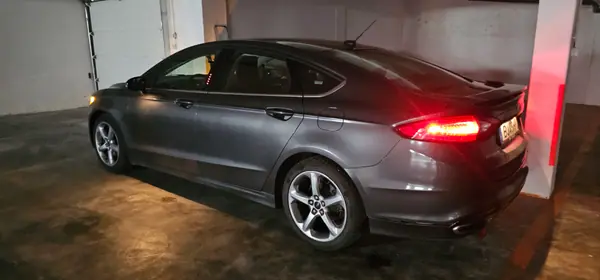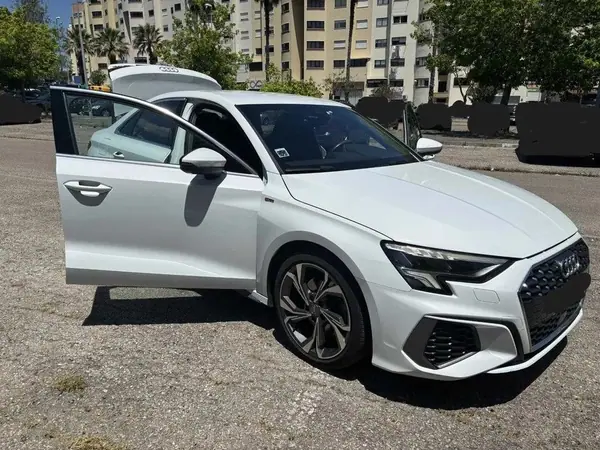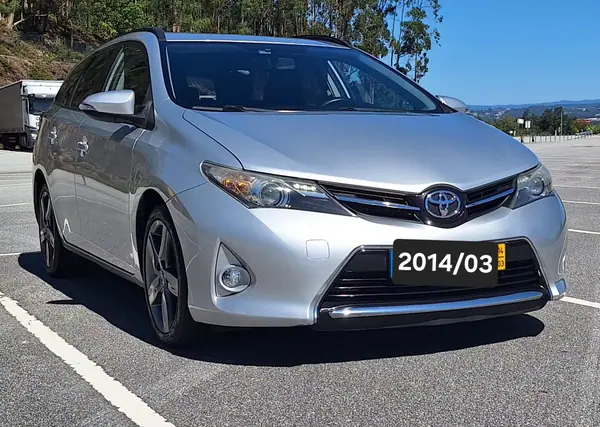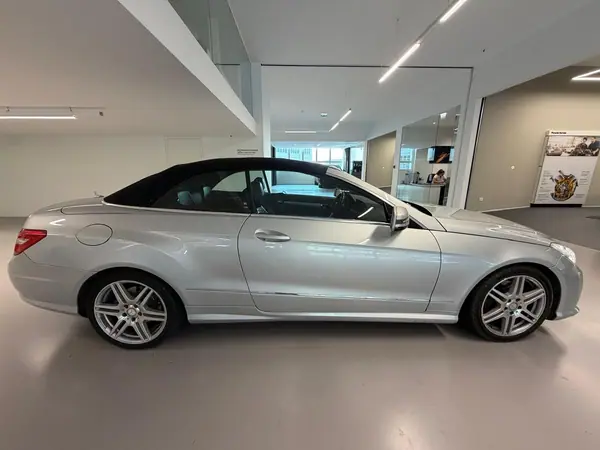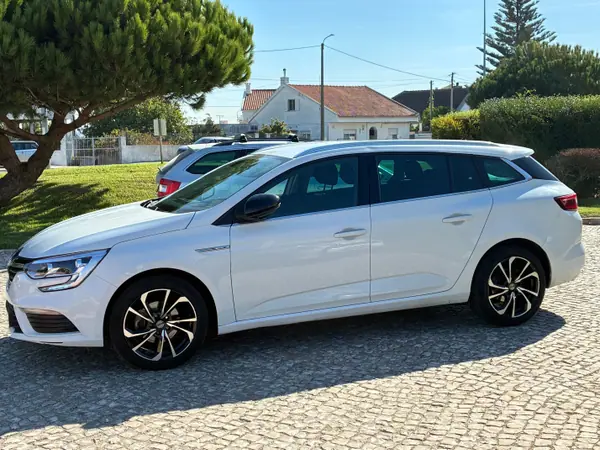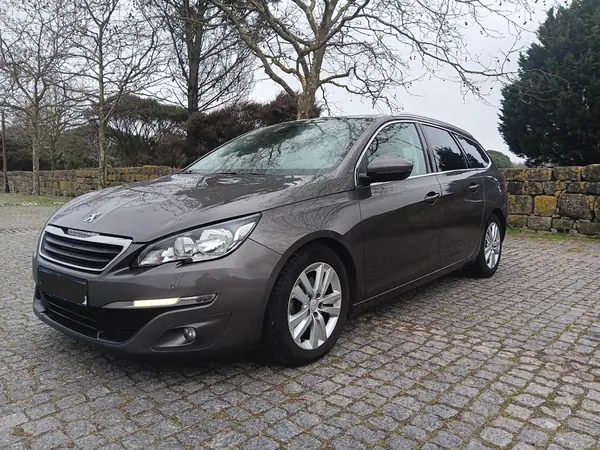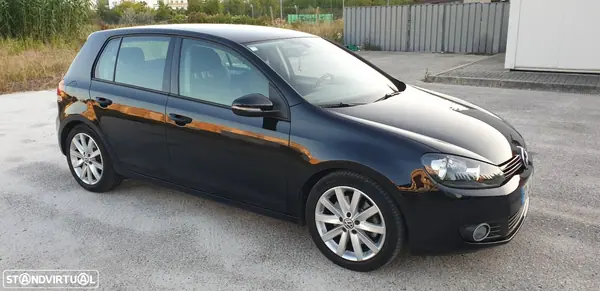
Working as an Uber driver (or on platforms like Bolt) in Portugal remains one of the most popular ways to earn extra income or even make it a full-time job. However, the sector is strictly regulated under the TVDE regime — Transport in Undistinguished Vehicles via Electronic Platforms — overseen by the IMT (Institute of Mobility and Transport).
Since legalization in 2018, requirements have evolved significantly. In 2026, the big shift is toward sustainability: in major urban areas (Lisbon, Porto, Braga, Setúbal, Coimbra, and the Algarve), new registrations in the UberX and Comfort categories are now almost exclusively limited to 100% electric vehicles. Combustion or hybrid vehicles registered before this can continue operating (with phase-out deadlines), but newcomers must follow the green trend.
General Mandatory Requirements for Any TVDE/Uber Vehicle
Regardless of category, the car must meet these basic criteria:
- Number of doors and seats — Minimum 4 doors + 5 seats (including the driver). For UberXL, at least 7 real seats (up to 9 total).
- Overall condition — Excellent maintenance, no visible body damage, clean and functional interior, no obvious mechanical issues.
- Mandatory equipment — Fully working air conditioning (essential in Portuguese summers), preferably electric windows, no commercial branding (company logos, taxi signs, etc.), except the official TVDE sticker.
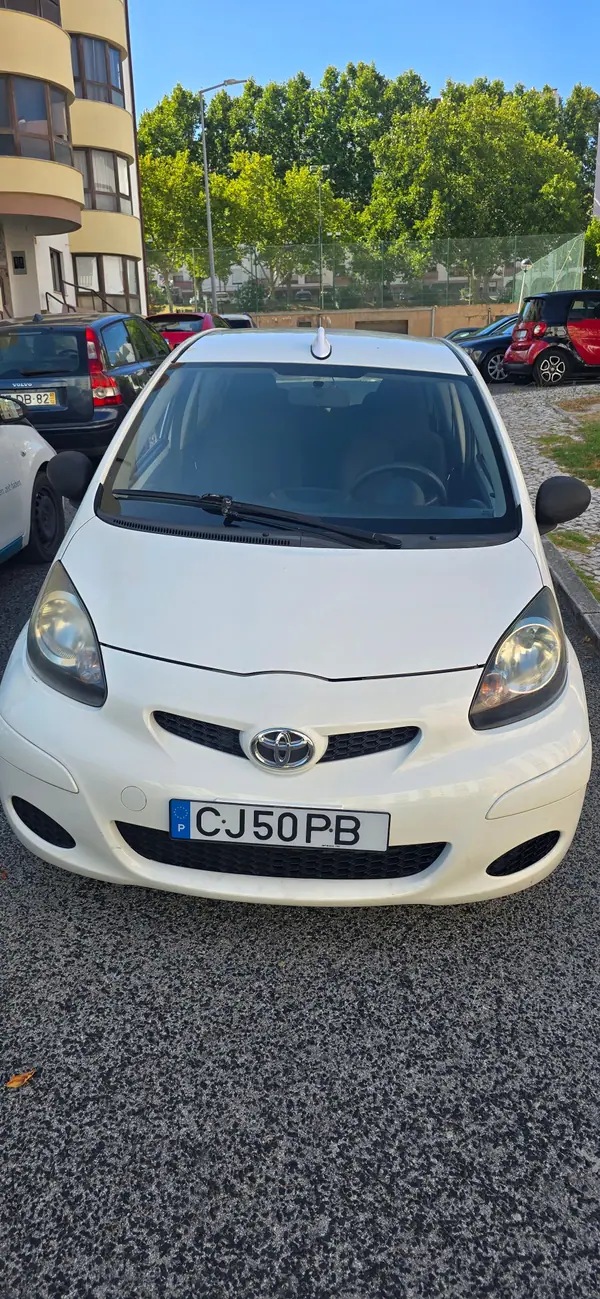
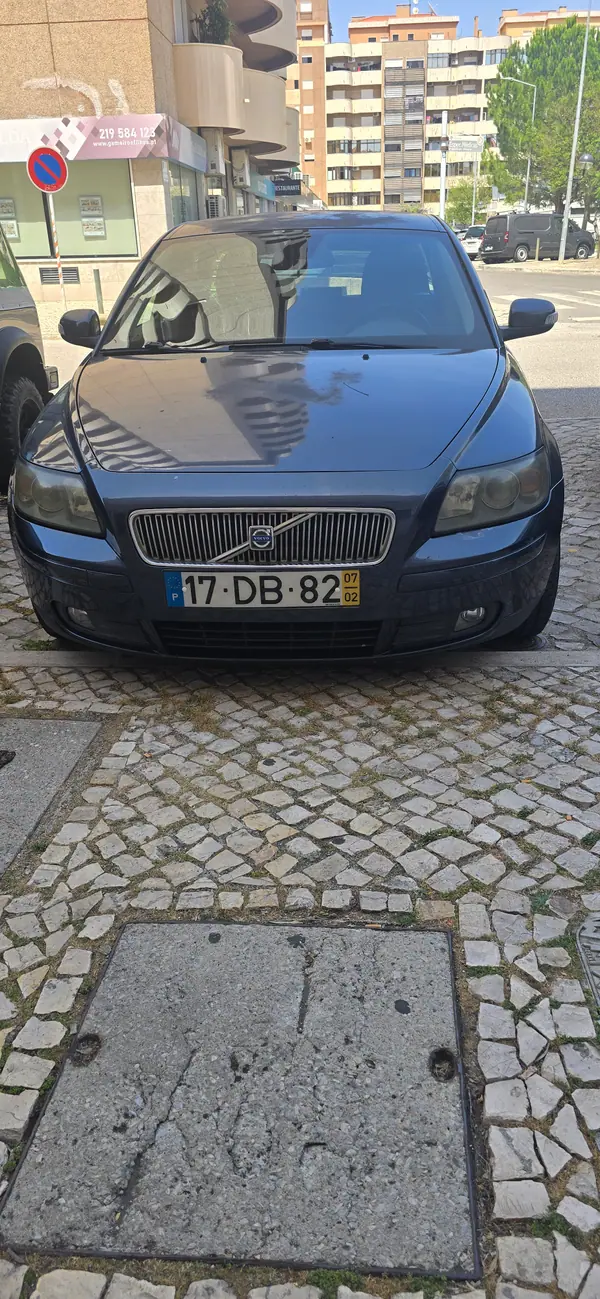
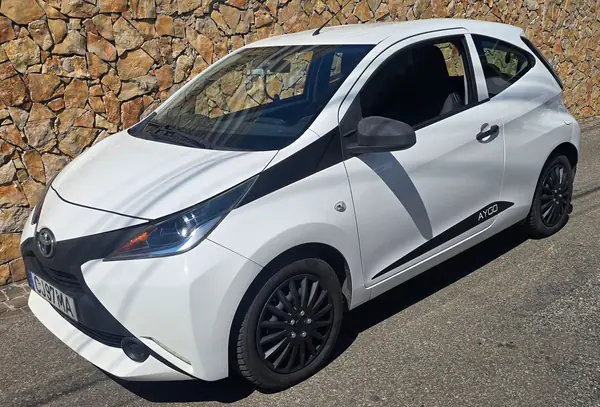
- Maximum vehicle age — Generally up to 7 years from first registration for UberX/Comfort (some exceptions reach 10 years in older categories). For Uber Black and premium, limits are stricter (usually 5–6 years).
- Up-to-date documentation:
- Documento Único Automóvel (DUA) or equivalent.
- Valid Periodic Mandatory Inspection (IPO) specifically for TVDE.
- Commercial auto insurance with TVDE coverage: minimum civil liability of €7,750,000 (many operators require €50 million), individual passenger protection (minimum €10,000–50,000 per person).
- Prohibitions — Pick-up trucks, open-bed vans, structurally modified vehicles, non-homologated minivans, or cars with permanent advertising are not allowed.
Important: An individual driver cannot register the vehicle directly on Uber. It must go through a licensed TVDE operator (a company with an IMT license, NIPC usually starting with 5…). These operators handle the special insurance, TVDE inspection, platform registration, and sticker issuance. Costs typically range from €200–450 initially + monthly fees.
Uber Categories in Portugal and Real-World Eligible Model Examples (2026)
Uber divides services into several categories, each with specific year, equipment, and image requirements.
UberX (Standard service — the most requested)
Common sedans, compacts, and mid-size SUVs.
Main requirements: up to ~7 years old, 5 seats, good condition.
In 2026, new registrations → almost exclusively electric in major cities.
Popular and eligible examples:
- Toyota Corolla Hybrid / Corolla Touring Sports
- Toyota Prius (classic hybrid still widely used)
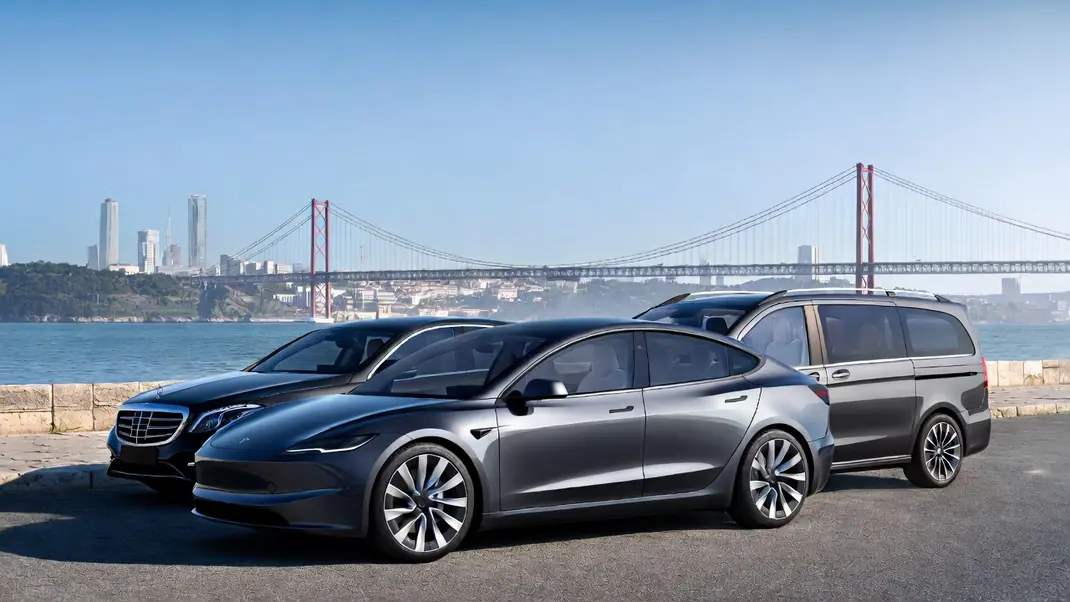
- Tesla Model 3 (Long Range or Standard)
- Hyundai Ioniq 5 / Ioniq 6
- Kia EV6 / e-Niro
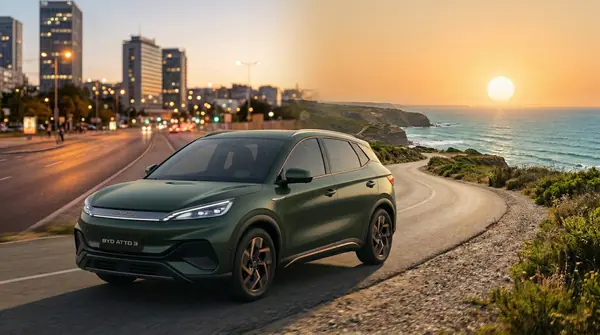
- BYD Atto 3 / Dolphin
- Volkswagen ID.3 / ID.4
- Renault Megane E-Tech Electric
- Nissan Leaf (newer versions)
Advantages: lower initial cost, cheap maintenance on electrics, "Green" bonuses in low-emission zones (ZER in Lisbon).
Uber Comfort (more space and comfort)
Newer, roomier vehicles with better finishes.
Requirements: usually up to 5–6 years old, leather/vegan seats, extra legroom.
Exceptions until end of 2027 for some older electrics (e.g., Hyundai Kona Electric, Kia EV3, Fiat 600e, Opel Mokka-e).
Examples:
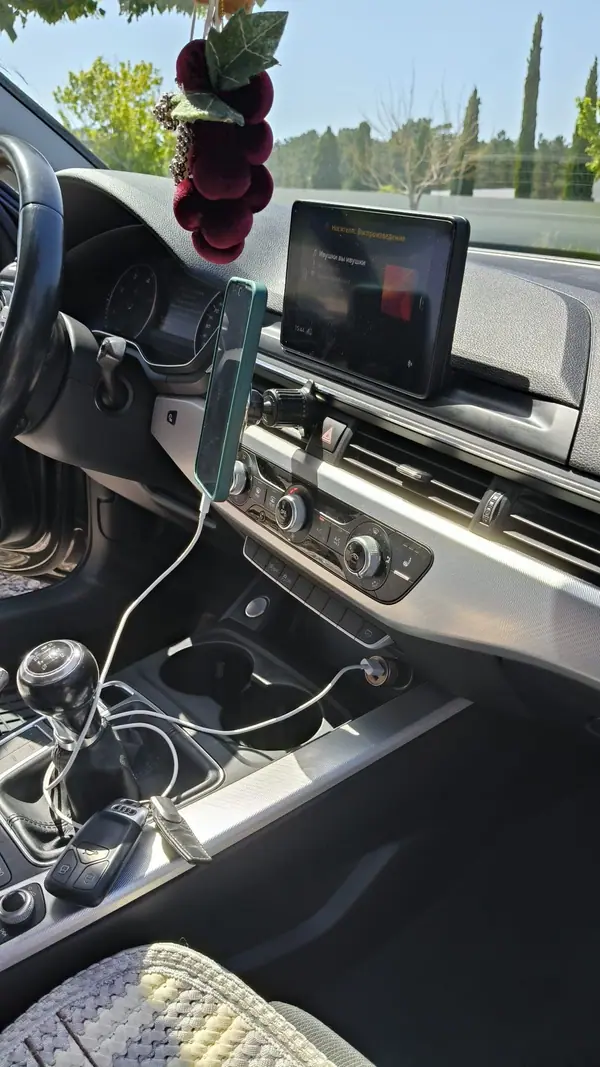
- Audi A4 / A6 (plug-in hybrids or electrics)
- BMW 3 Series / 5 Series (i4, i5)
- Mercedes C-Class / E-Class (EQE, EQA)
- Volvo S60 / XC60 Recharge
- Tesla Model Y
- Skoda Enyaq
- Hyundai Santa Fe Hybrid
Advantages: fares 20–40% higher than UberX.
Uber Black (premium / luxury)
Luxury sedans and SUVs, leather interior, sophisticated look.
Requirements: dark color (black preferred), very recent year (usually ≤5 years), premium equipment.
Examples:
- Mercedes S-Class / EQS / GLE
- BMW 7 Series / i7 / X5 / iX
- Audi A8 / Q8 e-tron
- Tesla Model S / Model X Plaid
- Lexus LS / RX
- Porsche Taycan (in some cases)
Advantages: highest fares, frequent tips.
UberXL / Uber Van (for groups)
Minimum 7 real seats.
Examples:
- Mercedes V-Class / EQV (electric)
- Volkswagen Multivan / ID.Buzz
- Citroën SpaceTourer / Peugeot Traveller
- Kia Carnival
- Tesla Model X
- Dacia Jogger 7-seater (budget option)
On our website, you can buy a car for Uber directly from the owner, without intermediaries.
Uber Green (eco-focused)
Plug-in hybrids and 100% electrics.
Many UberX and Comfort models qualify automatically.
Extra examples: Renault Zoe, Nissan Leaf, Kia EV9, Volvo EX30, Mini Cooper Electric.
Why Is Uber Pushing So Hard for Electrics in 2026?
- Pressure from municipalities (low-emission zones — ZER — in Lisbon, Porto, and other cities).
- Drastic reduction in operating costs for drivers (electricity vs. diesel/gasoline).
- Tax incentives and environmental fund subsidies for EV purchases.
- Uber's global brand image (net-zero emissions goal by 2040).
Disadvantages of electrics: higher initial investment (although amortization is quick with high mileage), need for planned charging, range on long trips. To reduce costs, check where to charge electric cars for free in Portugal.
Final Tips for Starting or Switching Cars in 2026
- Always check the official eligible vehicle list in the Uber app or website (updated monthly).
- Prioritize models with good fast-charging networks (CCS) if going electric.
- Calculate real costs carefully: electrics save 60–80% on "fuel," but TVDE insurance is higher.
- Top cost-benefit models in 2026: Toyota Prius Hybrid (and other well-maintained used cars, Tesla Model 3/Y, BYD Atto 3, Kia EV6.
- Talk to multiple TVDE operators before deciding — some offer "car + insurance + registration" packages.
Working for Uber in Portugal in 2026 is still viable and profitable, especially with the electric transition. But it requires planning: choose the right car, gather documentation, and partner with a good operator. Good luck on the road!