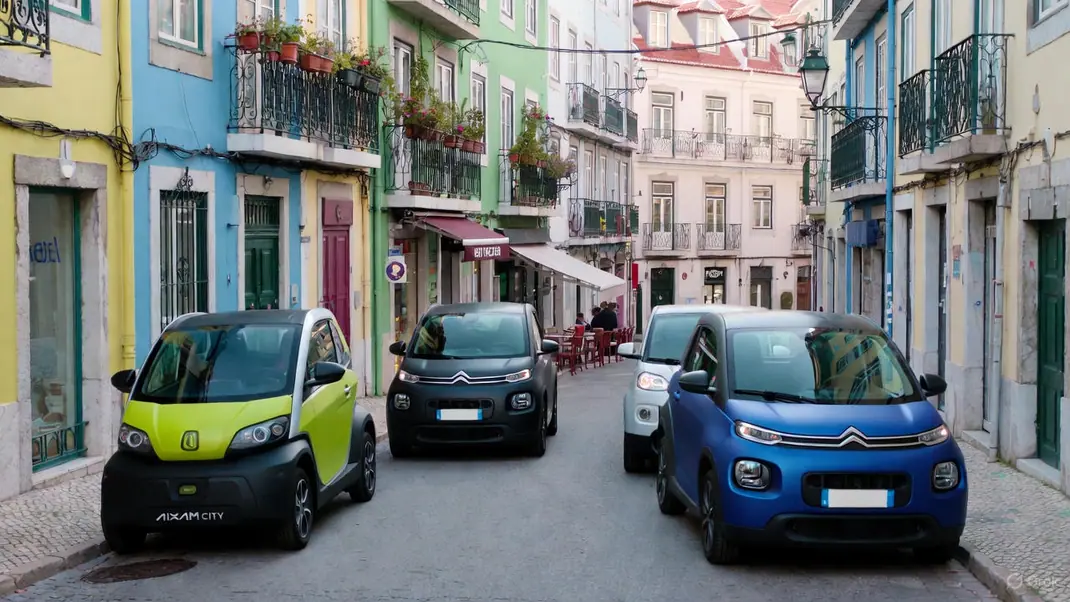
In Portugal, there is a segment of vehicles that has been gaining increasing popularity on national roads: the so-called "cars without a license". These microcars are the ideal solution for those seeking independence in urban mobility, being particularly appreciated by young people from the age of 16, the elderly, or drivers who, for various reasons, do not have a category B driver's license.
But do these vehicles really dispense with any type of license? Let's explore the rules, models, and advantages of this type of transport.
1. Legislation and Requirements: What does the Law say?
Although the popular term is "car without a license," the driver needs a specific license. These vehicles are regulated by European standards and by the IMT (Institute of Mobility and Transport) in Portugal.
- Types: They are classified as light quadricycles (category L6e) or heavy quadricycles (category L7e).
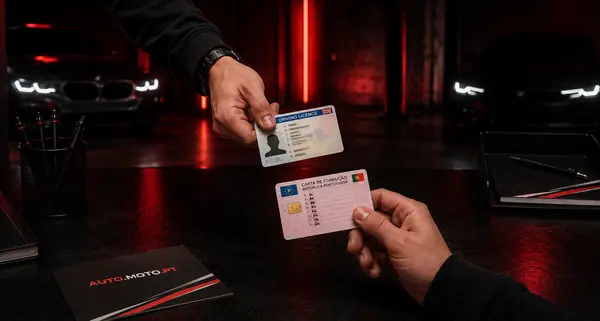
- Required License: For the most common (light) models, category AM is sufficient (the same used for mopeds). The process of obtaining it is simpler and more economical than category B, consisting of a basic theoretical and practical exam from the age of 16.
- Limitations: Light quadricycles have a speed limit of 45 km/h and are prohibited from circulating on highways.
2. Technical Characteristics and Comfort
Modern "unlicensed cars" are compact, usually two-seaters, and offer a surprising level of comfort for their size. According to EU regulations, these vehicles must meet the following requirements:
- Power: Up to 6 kW (approx. 8 hp) for light models.
- Weight: Maximum of 425 kg (excluding batteries in the case of electric vehicles).
- Dimensions: Up to 3 meters in length and 1.5 meters in width.
- Equipment: Although small, many models include a radio, USB input, heating and, in premium versions, even air conditioning.
3. Popular Models in Portugal
The Portuguese market is dominated by experienced manufacturers, mostly French. Among the most sought-after models on our platform are:
- Aixam City: Known for the reliability of its Kubota engine, available in diesel or electric versions.
- Ligier JS50: An option focused on modern and sporty design.
- Microcar M.Go: Ideal for maneuvering in the narrow streets of Lisbon or Porto due to its excellent agility.
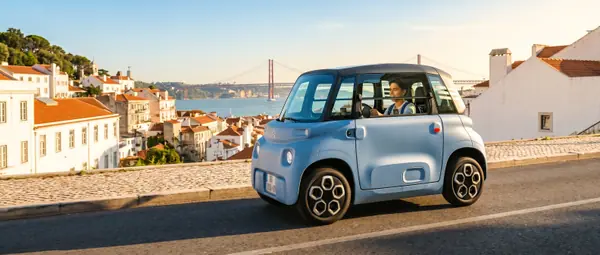
- Citroën AMI: The 100% electric model that revolutionized the market with its affordable price (new ones starting at around R$ 7,790) and direct charging from a standard outlet.
4. Advantages and Disadvantages
Advantages:
- Accessibility: Can be driven from the age of 16.
- Economy: Cheap maintenance and affordable insurance (from R$ 100/year). Electric versions cost only 1 to 2 euros per 100 km.
- Parking: Due to their small size, they park easily anywhere.
Disadvantages:
- Speed: The 45 km/h limit can be frustrating outside of urban environments.
- Safety: The lightweight structure is more vulnerable in the event of a serious collision, and many models do not have airbags.
- Capacity: Limited to two seats and with very small luggage compartments.
Conclusion: Where to Buy?
"Cars without a license" represent a practical and economical way to ensure your mobility in Portugal. If you are looking for one of these vehicles, AUTO.MOTO.pt is the ideal place to start your search. On our website, you will find a wide variety of used cars in this segment, where you can filter by price and region to find the perfect deal.
Remember that, at AUTO.MOTO.pt, individuals can publish up to 2 free ads per month, making our platform the most transparent and accessible marketplace for those who want to buy or sell their next quad bike.